


Flooring Installation in Paradise Valley, AZ

Luxury wood, stone, and heated floors across Paradise Valley — concierge install.

Serving Paradise Valley & nearby Maricopa County

Get Your Free Flooring Installation Estimate

Step 1 of 5Project

What kind of project?

Pick the option that fits best — you can add details next.

Quick Answer

ProWorx Restoration provides luxury flooring installation across Paradise Valley, AZ — wide-plank European white oak (10″+), slab marble and limestone, heated electric and hydronic systems, and custom inlay work. Typical projects run $14 – $50/sf installed.

1,200+

Projects Completed

15+

Years Experience

ROC #349454

Licensed & Insured

100%

Satisfaction Guaranteed

Flooring Installation Built for Paradise Valley Homes
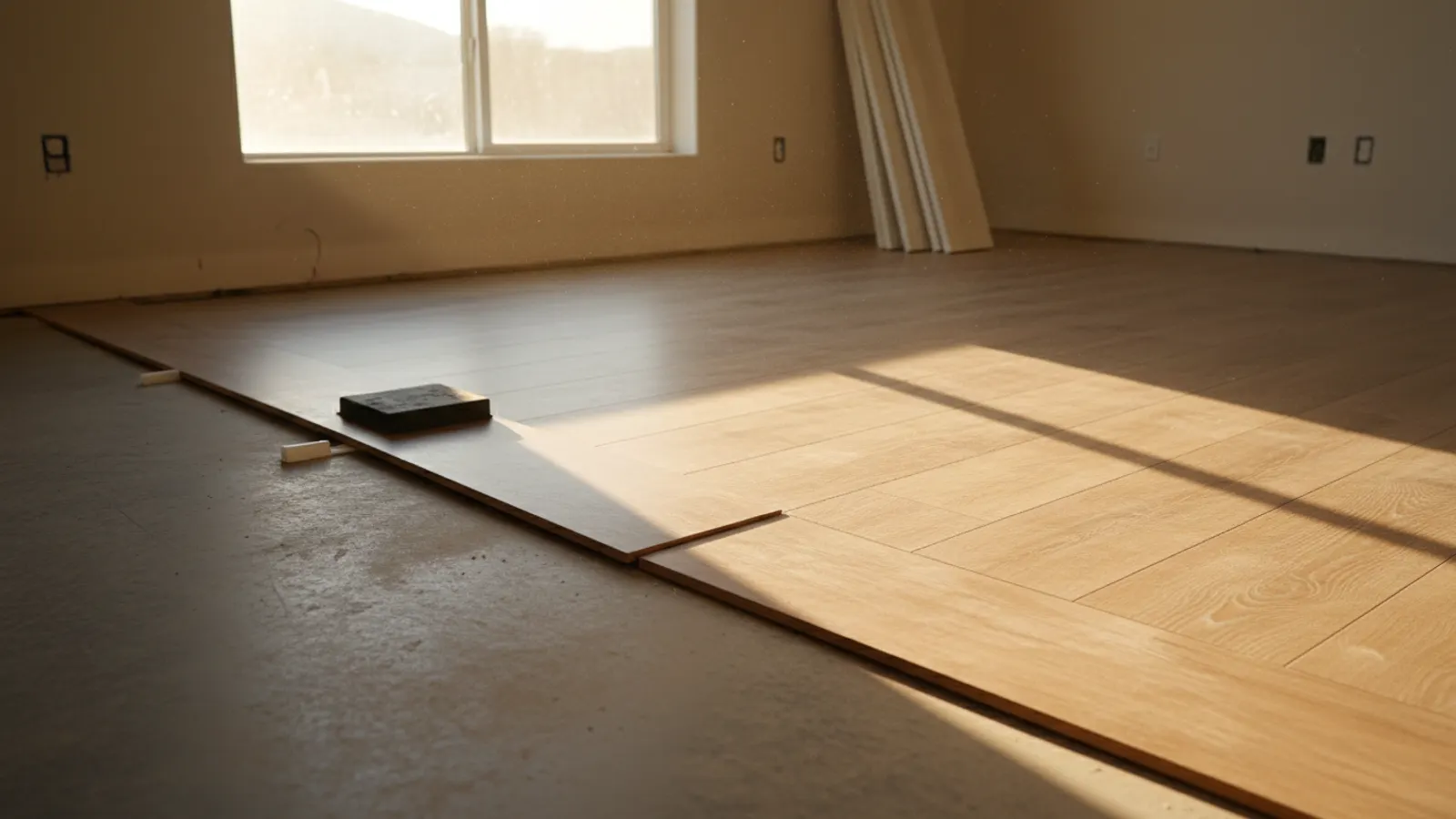
Luxury vinyl plank flooring being locked together across a prepared subfloor in a Paradise Valley, Arizona home
Paradise Valley is the metro's top finish market — 10″+ wide-plank European oak, custom-cut marble and limestone slabs, and heated floor systems (electric mats or hydronic for new builds) are baseline scope. We coordinate with designers and architects on every project.
Town Hillside Ordinance scopes occasionally require submittal on exterior-tied flooring (porches, exterior stairs); interior work doesn't.
Insurance flooring scopes (slab leak, monsoon roof leak) are scoped in Xactimate with direct carrier billing at appropriate finish level.

Why Paradise Valley Flooring Installation Is Different

10″+ wide-plank European oak is baseline; sample selection, mill spec, and book-match coordination on every project.
Slab marble and limestone (vs cut tile) require special handling, lifting, and dry-layout — we run a dedicated stone crew.
Heated floor systems (electric mat or hydronic) are common scope.

Recent Flooring Installation Projects in Paradise Valley

Camelback Country Club Estates

Whole-home 12″ European white oak, glue-down, custom stain match, 6,200 sf

$148K24 days

Cheney Estates

Primary bath slab marble + hydronic heat + frameless shower, custom inlay, 420 sf

$38K12 days

Tatum Foothills

Great-room 32×32 polished porcelain + entry travertine, full self-level, 2,200 sf

$42K13 days

Flooring Installation in Paradise Valley: Fast Facts

10″+ wide-plank European oak: ~50% of Paradise Valley volume.

Slab marble / limestone (vs cut tile): ~25%.

Heated floor systems: ~35% of primary baths.

Average Paradise Valley flooring project: $40,000–$150,000.

Designer / architect coordination on every project.

Typical Cost

$2,000 – $30,000+

Typical Timeline

3 days – 3 weeks

Permit Lead Time

2–4 weeks

How We Approach Flooring Installation

ProWorx Restoration installs porcelain tile, luxury vinyl plank (LVP), engineered hardwood, laminate, and carpet across the Phoenix metro. We handle subfloor prep, slab moisture testing, crack-isolation membranes, and demolition of existing flooring. Arizona ROC #349454.
Phoenix-metro flooring choices are shaped by slab-on-grade construction and the climate. Solid hardwood is generally inappropriate over slab — moisture vapor transmission from concrete causes cupping and crowning even years after the slab cures. Engineered hardwood, porcelain tile, and LVP dominate for good reason. Slab moisture testing (calcium chloride or RH probe per ASTM F1869/F2170) is essential before any glue-down installation. Crack-isolation membranes (Schluter Ditra, NobleSeal CIS) under tile prevent slab cracks from telegraphing into the tile assembly.

Porcelain and ceramic tile with Schluter Ditra crack-isolation

Luxury vinyl plank (LVP) — waterproof, click-lock, and glue-down systems

Engineered hardwood over slab with proper moisture mitigation

Laminate and carpet installation

Slab moisture testing (ASTM F1869 calcium chloride, F2170 RH probe)

Subfloor leveling and patching to install-spec flatness

What Paradise Valley Homeowners Should Know About Flooring Installation

Flooring Warranties

Flooring manufacturers provide warranties that depend on proper installation, including subfloor preparation, moisture testing, acclimation and approved materials. Installing flooring according to manufacturer requirements protects both the floor's performance and the homeowner's warranty coverage.

Our Flooring Installation Process in Arizona

We open with substrate evaluation: slab flatness (1/8" in 10' for tile, 3/16" in 10' for LVP), moisture content (under 4 lbs/1000 sq ft/24 hr for glue-down LVP, under 3 lbs for engineered hardwood), and crack mapping. Demo and dispose of existing flooring. Subfloor patch and self-level where flatness fails. Install crack-isolation membrane under tile, vapor barrier under hardwood and LVP where slab moisture warrants. Acclimate flooring per manufacturer (typically 48–72 hours on site). Install per manufacturer spec — tile with thinset and 1/16" or 1/8" grout joint, LVP with click-lock or glue-down per system, hardwood with floating or glue-down assembly. Single room: 2–3 days. Whole-home: 1–3 weeks.

Preparing the Slab

Most Arizona homes have concrete slab floors, and the condition of the slab determines how well new flooring performs. The slab must be clean, flat and free of excessive moisture. High spots may need grinding and low spots filling, while cracks may need repair. Proper preparation prevents uneven floors, cracked tile and premature failure.

How Long a Kitchen Floor Replacement Takes

Most kitchen floor replacements take a few days, depending on the size of the room, the material and how much slab preparation is required. Tile needs additional time for mortar and grout to cure before heavy use.

Large-Format Tile

Large-format tiles create a clean, modern look with fewer grout lines, but they require a very flat substrate. Even small variations can cause uneven edges between tiles, known as lippage. Proper slab preparation and installation techniques are essential for a smooth, professional result.

Choosing Flooring for Arizona Homes

Tile and luxury vinyl are especially popular in Arizona because they stay cool, resist dust and hold up well in active households. Light colours can help rooms feel brighter and cooler, while darker floors show dust more readily. Considering climate, lifestyle and maintenance helps homeowners choose flooring that will perform well for years to come.

Arizona's Dry Climate After the Flood

Arizona's naturally low humidity can help hardwood dry, but it also creates its own challenges. Wood that dries too quickly or unevenly can crack, check or develop gaps between boards. Once restoration is complete, normal indoor humidity in Arizona homes is often much lower than in other regions, and floors installed or repaired without allowing for that can shrink and open up over time. Controlled drying and allowing replacement boards to acclimatise to the home before installation help prevent these issues.

Choosing Flooring Throughout the Home

Different rooms place different demands on flooring. Bathrooms and laundry rooms need water resistance, bedrooms benefit from comfort and warmth, and living areas need durability and appearance. Many homeowners choose a single material for main living areas to create continuity, with carpet or other materials in bedrooms.

Cabinets on the Floor or Floor Around the Cabinets

A long-standing debate in kitchen remodelling is whether new flooring should run beneath the cabinets or stop at their edge. Running flooring beneath cabinets makes future layout changes easier and keeps finished floor height consistent, but it uses more material. Installing flooring around existing cabinets saves material but leaves the flooring outline fixed to the current cabinet layout. The best approach depends on whether cabinets are being replaced and on the type of flooring chosen.

Tile in the Kitchen

Porcelain tile is one of the most durable and water-resistant kitchen floor choices. It resists stains, scratches and moisture, and it is well suited to Arizona homes because it stays cool. Ceramic tile is less dense but still durable for most kitchens. Grout colour and sealing affect how easy the floor is to keep clean, with darker or sealed grout hiding stains better. Tile is hard underfoot, however, and dropped dishes are more likely to break.

Choosing Flooring for Phoenix Kitchens

Porcelain tile is the long-term winner — waterproof, scratch-proof, indifferent to Phoenix dust and heat, and lasts 30+ years. LVP is the second most popular: waterproof, softer underfoot, easier on dropped dishes, installs faster, and runs $5–$10/sq ft installed. Engineered hardwood works in kitchens that flow into wood-floored living rooms but is vulnerable to dishwasher leaks and refrigerator water-line failures — we install with extra moisture-barrier underlayment when used in kitchens.

Our Proven Process

01

Free Consultation

We visit your property, discuss your goals, and provide a detailed, no-obligation estimate.

02

Custom Plan

Our team creates a tailored project plan with timeline, materials, and transparent pricing.

03

Expert Execution

Licensed craftsmen complete your project with quality materials and meticulous attention to detail.

04

Final Walkthrough

We inspect every detail with you and ensure complete satisfaction before the job is done.

"12-inch European oak through 6,200 sq ft, custom stain match, glue-down — flawless installation. Designer was speechless."

ProWorx Client · Paradise Valley

Neighborhoods We Serve in Paradise Valley

Camelback Country Club Estates · Cheney Estates · Tatum Foothills · Mummy Mountain · Casa Blanca Estates · Doubletree Estates

Flooring Installation FAQs for Paradise Valley Homeowners

Ready to Start Your Paradise Valley Flooring Installation Project?

Get a free, no-obligation estimate from a licensed Arizona contractor — ROC #349454.