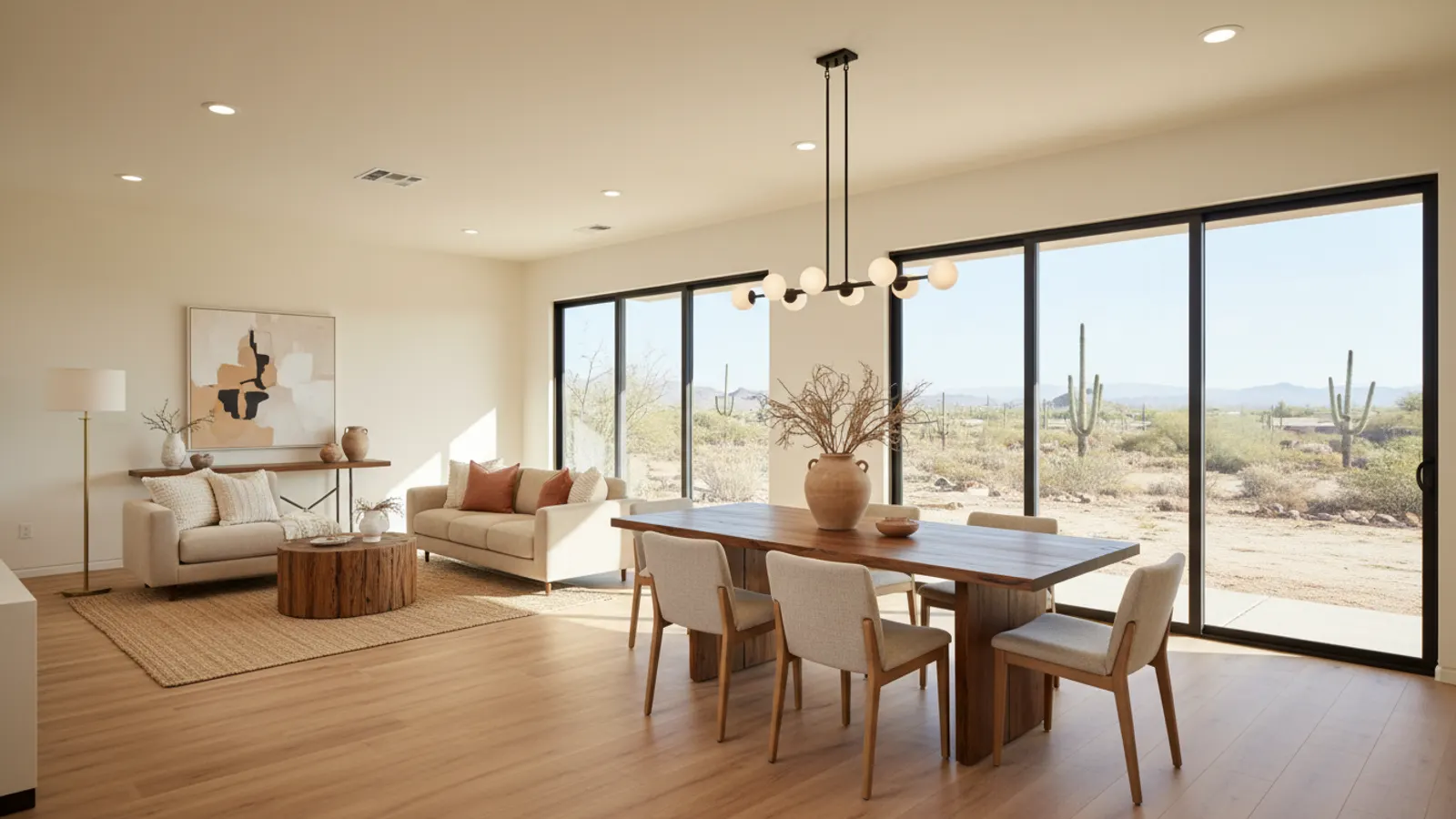
What Does a General Remodeler Do in Arizona?
A general remodeler manages every phase of your home improvement project — from pulling permits and coordinating skilled tradespeople to sourcing materials and ensuring code compliance. At ProWorx Restoration, our general remodeling services cover
kitchens,
bathrooms,
additions,
flooring,
drywall, painting, and structural improvements. We act as your single point of contact so you never have to juggle multiple contractors or worry about scheduling conflicts. For homeowners, that means faster project timelines, fewer headaches, and results that exceed expectations.
How Much Does Home Remodeling Cost in Arizona?
Remodeling costs depend on the scope of work, materials chosen, and the condition of your existing home.
Bathroom remodels typically range from $8,000 to $25,000,
kitchen renovations from $15,000 to $50,000+, and whole-home renovations can exceed $200,000 for high-end finishes. At ProWorx Restoration, we provide transparent, line-item estimates during your free in-home consultation — no hidden fees, no surprises. We also help prioritize upgrades that deliver the highest return on investment for the competitive real estate market.
Why Homeowners Trust ProWorx Restoration
ProWorx Restoration has built a reputation as Arizona's go-to remodeling contractor through consistent quality, transparent communication, and on-time project delivery. We are a fully licensed general contractor (ROC #349454) with comprehensive liability and workers' compensation insurance. Every project is backed by our satisfaction guarantee, and we maintain an A+ rating with the BBB. From the initial design consultation to the final walkthrough, we treat your home with the same care and respect we'd give our own. Explore our
home renovation and
custom home building services.
Deciding Which Room to Remodel First
When several rooms need work, it helps to prioritise by function, condition and budget. Rooms with safety issues or failing systems should come first, followed by spaces used most often, such as kitchens and bathrooms. If you plan to sell, focus on improvements buyers value most. If you plan to stay, prioritise the rooms that will most improve your daily life.
Combining Projects for Efficiency
Undertaking several remodelling projects at once can save money and time compared with doing them separately. Shared tasks such as permits, dust protection, mobilisation and trades visits are handled once, and finishes can be coordinated throughout the house. Combining projects may increase the initial cost but often reduces the overall expense.
Remodelling Older Versus Newer Homes
Older homes often contain outdated electrical systems, plumbing, insulation and windows, and may hide water or structural damage behind walls. Newer homes may have builder-grade materials and systems nearing the end of their service life. Each requires a different approach to planning and budgeting, which is why an inspection of the existing conditions is valuable.
Protecting Your Home From Dust
Remodelling produces dust that can travel throughout a house. Plastic containment barriers, zippered doors, floor protection, sealing HVAC returns in the work area and daily clean-up help contain dust to the work zone. Protecting the rest of the home keeps daily life more comfortable during construction.
Material Lead Times
Some materials, such as custom cabinetry, specialty tile, windows and certain appliances, can take weeks or months to arrive. Ordering them late can delay a project significantly. Making selections early and confirming lead times allows materials to be ordered in time to arrive when they are needed.
Staying Informed During Construction
Knowing what is happening on your project reduces stress and prevents misunderstandings. Regular updates on progress, upcoming work, decisions needed and any issues help homeowners stay informed. Clear lines of communication make it easier to address questions quickly.
The Punch List
Near the end of a remodel, the homeowner and contractor walk through the completed work and list any remaining items that need attention, such as paint touch-ups, minor adjustments or missing trim. Completing this punch list carefully ensures the project is truly finished.
Remodelling With Children and Pets
Construction sites contain hazards such as tools, nails, open walls and dust. Families with children or pets should plan to keep them away from work areas, and contractors should secure tools and materials at the end of each day. Discussing these needs before work begins helps keep everyone safe.
Investing Where It Matters
Not every part of a remodel needs premium materials. Investing in durable items that are costly to replace, such as cabinetry, countertops, windows and plumbing fixtures, while choosing more modest options for items that are easy to change later, such as paint and light fixtures, makes the most of a budget.
Designing for the Long Term
Remodelling decisions should consider how the home will be used years from now. Features such as wider doorways, curbless showers, better lighting and accessible storage can make a home more comfortable as needs change. Planning ahead avoids having to remodel again.
Warranties After Completion
Workmanship and manufacturer warranties protect homeowners after a remodel is finished. Keeping warranty documents, product information and receipts together makes it easier to resolve any issues that arise later.
Remodelling in Arizona's Climate
Materials and construction methods must suit Arizona's heat, intense sunlight and low humidity. Exterior finishes should resist UV damage, and interior wood products should allow for movement in dry conditions. Choosing appropriate materials helps remodels perform well over time.
Getting Accurate Estimates
Comparing remodelling estimates is only meaningful when they cover the same scope and materials. Itemised estimates that specify products, allowances and exclusions make it easier to understand what is included. Very low bids may omit important work or rely on lower-quality materials. Asking questions about what each estimate includes helps homeowners make informed decisions, and it often reveals that the cheapest number on the page is not the cheapest project once the missing items are added back.
Living in Your Home During a Remodel
Most homeowners stay in their homes during remodels of individual rooms. Planning for disruptions, such as temporary loss of a kitchen or bathroom, noise and workers arriving early, makes the experience easier. Establishing working hours, access arrangements and areas off-limits to workers at the beginning helps maintain privacy and routine throughout the project.
Small Remodels Still Need a Plan
Even small projects benefit from planning. Confirming measurements, selecting materials in advance, checking that existing systems can support the change and understanding any permit requirements prevents small jobs from growing into larger problems.
Choosing a Remodelling Contractor
Look for a licensed, insured contractor with experience in similar projects, clear communication and a written, itemised proposal. Ask for references and check licence status before signing anything.
One Point of Contact
A general remodeler coordinates every trade on the job, so homeowners deal with one person rather than juggling separate electricians, plumbers, carpenters and finishers.