



Flooring Installation in Scottsdale, AZ

Luxury tile, stone, and wide-plank wood across Scottsdale — DRB-coordinated, TCNA-spec.

Serving Scottsdale & nearby Maricopa County

Get Your Free Flooring Installation Estimate

Step 1 of 5Project

What kind of project?

Pick the option that fits best — you can add details next.

Quick Answer: Flooring Installation in Scottsdale

ProWorx Restoration provides luxury flooring installation across Scottsdale, AZ — large-format porcelain, natural stone (travertine, limestone), wide-plank engineered wood, and heated-floor systems in DC Ranch, Silverleaf, Estancia, and Troon. Typical projects run $9 – $32/sf installed.

1,200+

Projects Completed

15+

Years Experience

ROC #349454

Licensed & Insured

100%

Satisfaction Guaranteed

Flooring Installation Built for Scottsdale Homes
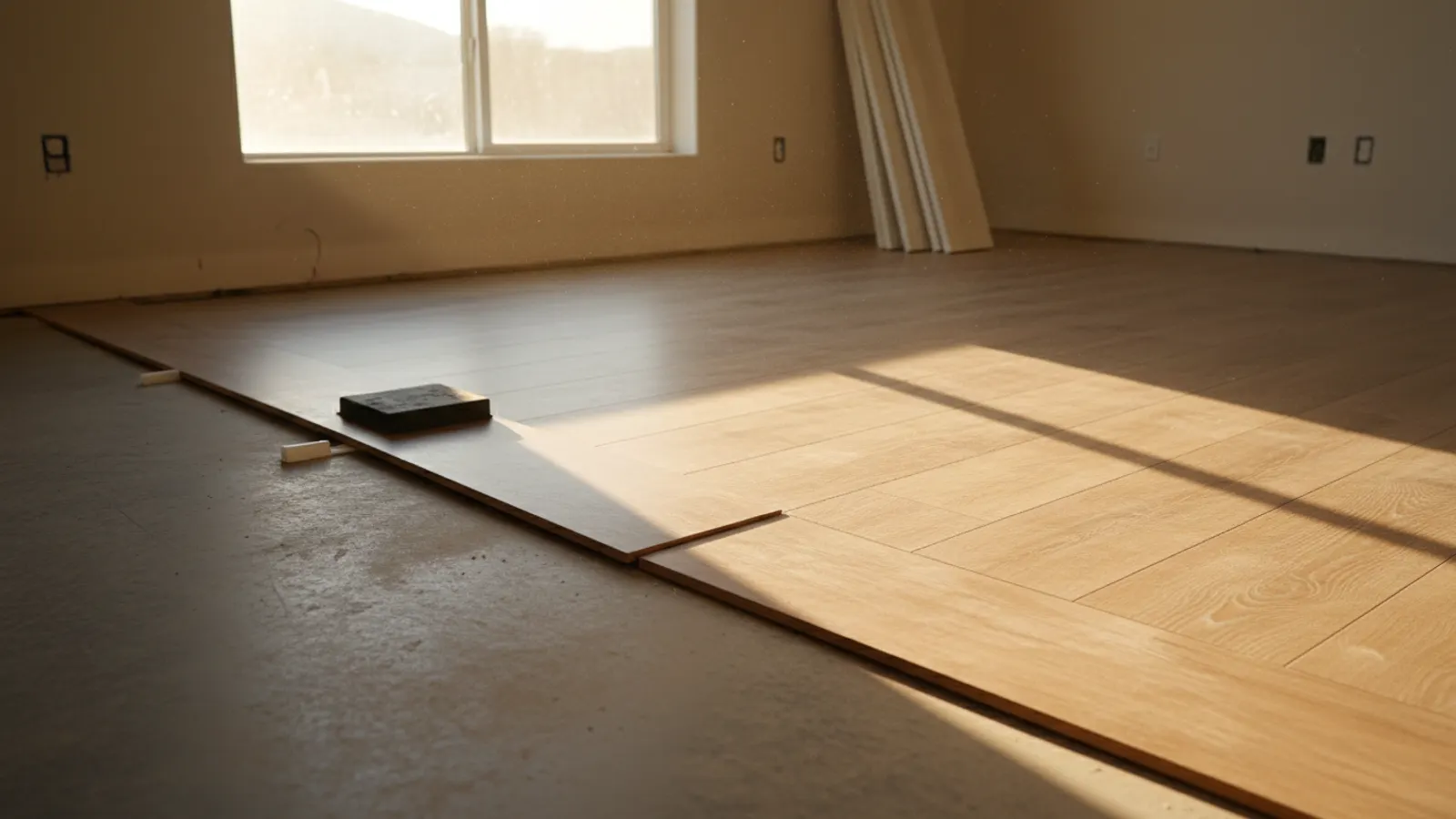
Luxury vinyl plank flooring being locked together across a prepared subfloor in a Scottsdale, Arizona home
North Scottsdale luxury homes (DC Ranch, Silverleaf, Estancia, Troon) demand wide-plank engineered white oak (8″–10″ planks), large-format porcelain (32″x32″ and up), and natural stone — installed to TCNA F147 flatness with full self-leveling underlayment.
Heated-floor systems (electric mats under primary baths, hydronic in new construction) are standard scope on luxury remodels here.
Old Town and McCormick Ranch mid-century stock drives LVP and engineered wood remodel volume.

Why Scottsdale Flooring Installation Is Different

Silverleaf and DC Ranch design review boards require submittals on visible exterior alterations; flooring is interior but tied to entry and visible glass.
Heated floors (mat + sensor or hydronic) are common scope on primary baths — we coordinate with the electrical or mechanical sub.

Recent Flooring Installation Projects in Scottsdale

Silverleaf

Whole-home 10″ wide-plank engineered white oak, glue-down over leveled slab, 4,600 sf

$78K16 days

DC Ranch

Primary bath: heated electric mat + 12×24 limestone + frameless shower curb, 280 sf

$18K7 days

Troon North

Great-room + halls: 32×32 porcelain, full self-level, schluter transitions, 1,400 sf

$24K9 days

Flooring Installation in Scottsdale: Fast Facts

Wide-plank engineered wood (8″+): ~40% of north Scottsdale volume.

Large-format porcelain (32×32+): ~30%.

Natural stone (travertine, limestone, marble): ~15%.

Heated-floor systems: ~25% of primary-bath remodels.

Average Scottsdale flooring project: $22,000–$80,000.

Typical Cost

$2,000 – $30,000+

Typical Timeline

3 days – 3 weeks

Permit Lead Time

2–4 weeks

How We Approach Flooring Installation

ProWorx Restoration installs porcelain tile, luxury vinyl plank (LVP), engineered hardwood, laminate, and carpet across the Phoenix metro. We handle subfloor prep, slab moisture testing, crack-isolation membranes, and demolition of existing flooring. Arizona ROC #349454.
Phoenix-metro flooring choices are shaped by slab-on-grade construction and the climate. Solid hardwood is generally inappropriate over slab — moisture vapor transmission from concrete causes cupping and crowning even years after the slab cures. Engineered hardwood, porcelain tile, and LVP dominate for good reason. Slab moisture testing (calcium chloride or RH probe per ASTM F1869/F2170) is essential before any glue-down installation. Crack-isolation membranes (Schluter Ditra, NobleSeal CIS) under tile prevent slab cracks from telegraphing into the tile assembly.

Porcelain and ceramic tile with Schluter Ditra crack-isolation

Luxury vinyl plank (LVP) — waterproof, click-lock, and glue-down systems

Engineered hardwood over slab with proper moisture mitigation

Laminate and carpet installation

Slab moisture testing (ASTM F1869 calcium chloride, F2170 RH probe)

Subfloor leveling and patching to install-spec flatness

What Scottsdale Homeowners Should Know About Flooring Installation

Matching Wood When Boards Must Be Replaced

When some boards are too damaged to save, replacing them so the repair is not noticeable requires matching species, width, thickness, grade and finish. Older floors may use board widths or species that are no longer common, and even matching boards look different from aged ones until they are refinished together. In some situations the best result comes from weaving new boards into the existing floor and refinishing the entire room so colour and sheen are consistent throughout.

Common Flooring Issues in Phoenix-Metro Homes

Slab moisture is the most-ignored issue — Arizona slabs without vapor barriers below them continuously transmit moisture vapor, and an unprotected glue-down installation will fail within 1–3 years. Slab cracks telegraph through tile if a crack-isolation membrane is skipped — common on slab-on-grade homes where minor settlement is normal. Hollow-sounding tile from inadequate mortar coverage (less than 80% bond) cracks under load. LVP buckling at room transitions when expansion gaps are skipped. We avoid all four with proper prep and manufacturer-spec installation.

Materials & Standards We Use

Tile installation per ANSI A108 with TCNA-compliant thinset (modified for porcelain). Crack-isolation membranes: Schluter Ditra (ANSI A118.12) for tile over slab. LVP per manufacturer spec — Coretec, Shaw, Mohawk waterproof systems. Engineered hardwood from major manufacturers (Mirage, Mohawk, Shaw) with vapor mitigation when moisture exceeds 3 lbs. Grout: polymer-modified or epoxy as wet-area scope requires. All work warrantied under ROC #349454 plus manufacturer warranty pass-through.

When Hardwood Can Be Saved vs Replaced

Light cupping (edges slightly higher than centers) almost always sands out. Moderate cupping with no buckling and no subfloor damage usually refinishes successfully. Severe buckling, crowning, or boards lifted off the subfloor typically require board replacement or a full re-lay. Engineered hardwood with delaminated veneer has to be replaced — it can't be sanded. We give you an honest assessment after moisture testing.

Underlayment

Many floating floors require underlayment, which can provide cushioning, sound reduction and moisture protection. Choosing the correct underlayment for the flooring product and subfloor ensures proper performance and may be required to maintain the manufacturer's warranty.

Transitions Between Rooms

Where kitchen flooring meets flooring in adjoining rooms, the heights may differ, especially when one material is replaced and the other is not. Uneven transitions create tripping hazards and look unfinished. Transition strips, adjusting the underlayment or replacing flooring in adjoining spaces at the same time can create smooth, safe transitions. Planning these junctions during the design stage produces a better result.

The Trapped Dishwasher Problem

Installing new flooring over the old, or choosing a thicker flooring material, raises the height of the floor. If flooring is laid in front of the dishwasher but not beneath it, the dishwasher can become trapped beneath the countertop, impossible to remove for repair or replacement without lifting the counter or removing flooring. The same issue can affect a range or refrigerator alcove. Checking appliance clearances before installation, and running flooring beneath appliance locations, prevents this costly problem.

Hardwood Throughout the Home

Hardwood floors add warmth and value, and they can be refinished several times over their lifetime. In Arizona's dry climate, wood flooring needs attention to acclimation and expansion gaps to prevent gaps and movement. Engineered hardwood offers improved dimensional stability compared with solid wood, making it a popular choice over concrete slabs.

How Long a Kitchen Floor Replacement Takes

Most kitchen floor replacements take a few days, depending on the size of the room, the material and how much slab preparation is required. Tile needs additional time for mortar and grout to cure before heavy use.

Cupping, Crowning and Buckling Explained

Hardwood reacts to moisture in predictable ways, and the shape of the damage tells you a lot. Cupping occurs when the edges of boards rise higher than the centres, usually because moisture is coming from below and the bottom of each board has absorbed more water than the top. Crowning is the opposite, with the centres higher than the edges, and often appears when cupped floors are sanded flat before they have properly dried. Buckling, where boards lift away from the subfloor entirely, indicates severe moisture exposure. Understanding which of these is happening helps determine whether the floor can be saved and how it should be dried.

Comfort When Standing

Cooks spend long periods standing on kitchen floors, and hard surfaces such as tile can be tiring. Softer materials such as cork or vinyl with cushioned underlayment reduce fatigue, and anti-fatigue mats placed at the sink and stove offer an inexpensive improvement. Considering comfort alongside durability helps create a kitchen that is pleasant to use.

How Our Flooring Installation Process Works in Scottsdale

01

Free On-Site Consultation

We visit your property, discuss your goals, and provide a detailed, no-obligation estimate.

02

Custom Project Plan

Our team creates a tailored project plan with timeline, materials, and transparent pricing.

03

Licensed Crews On Site

Licensed craftsmen complete your project with quality materials and meticulous attention to detail.

04

Final Walkthrough & Sign-Off

We inspect every detail with you and ensure complete satisfaction before the job is done.

"10-inch white oak through 4,600 square feet — perfectly flat, tight seams, no creaks. Heated stone in the primary bath was the cherry."

ProWorx Client · Scottsdale

Neighborhoods We Serve in Scottsdale

DC Ranch · Silverleaf · Troon North · Estancia · McCormick Ranch · Gainey Ranch · Old Town Scottsdale · Grayhawk

Flooring Installation FAQs for Scottsdale Homeowners

Ready to Start Your Scottsdale Flooring Installation Project?

Get a free, no-obligation estimate from a licensed Arizona contractor — ROC #349454.