



Flooring Installation in Cave Creek, AZ

Tile, stone, and wide-plank wood across Cave Creek and Carefree — custom-home spec.

Serving Cave Creek & nearby Maricopa County

Get Your Free Flooring Installation Estimate

Step 1 of 5Project

What kind of project?

Pick the option that fits best — you can add details next.

Quick Answer

ProWorx Restoration provides flooring installation across Cave Creek, AZ — Saltillo, travertine, wide-plank engineered wood, and large-format porcelain in custom homes across Carefree, Tatum Ranch, and Desert Hills. Typical projects run $6 – $20/sf installed.

1,200+

Projects Completed

15+

Years Experience

ROC #349454

Licensed & Insured

100%

Satisfaction Guaranteed

Flooring Installation Built for Cave Creek Homes
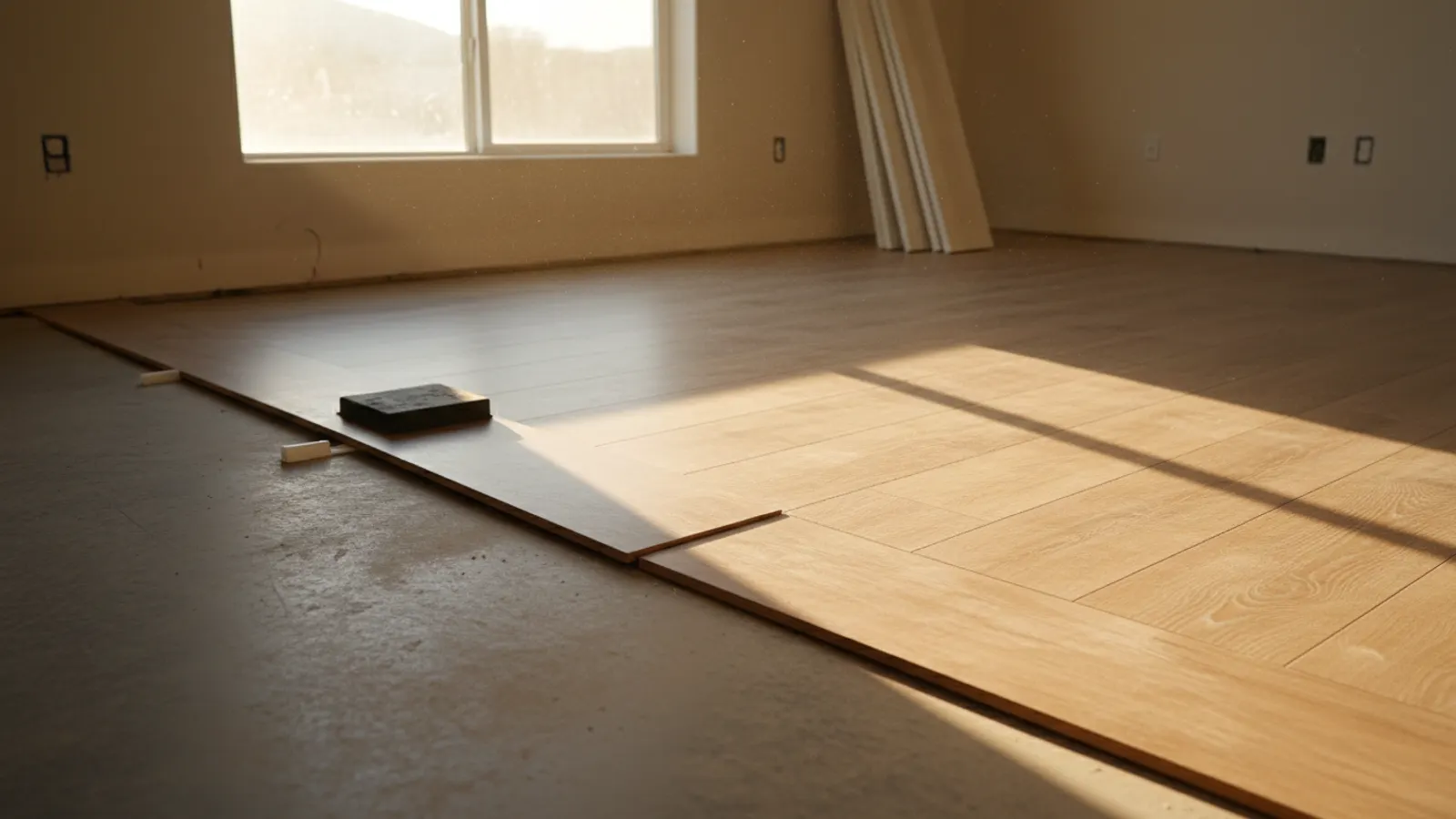
Luxury vinyl plank flooring being locked together across a prepared subfloor in a Cave Creek, Arizona home
Cave Creek and Carefree custom homes lean Southwestern — Saltillo, travertine, and large-format limestone are the dominant finishes. We carry a dedicated stone crew for sealing, scribing, and pattern layout.
Hillside custom builds drive wide-plank engineered wood scope (8″–10″) on great rooms and primary suites.
Older pre-1985 homes occasionally include solid-Mexican-tile (Saltillo) restoration — we re-seal, replace cracked pieces, and grout-renew.

Why Cave Creek Flooring Installation Is Different

Southwestern stone (Saltillo, travertine, limestone) is the dominant local finish — we match by hand.
Hillside custom-home great rooms drive wide-plank wood spec.
Maricopa County permits structural-tied scopes in 3–4 weeks for unincorporated Cave Creek; like-for-like flooring is not permitted.

Recent Flooring Installation Projects in Cave Creek

Cave Creek (hillside custom)

Whole-home Saltillo install + seal, 3,800 sf, pattern layout, scribed to walls

$48K16 days

Tatum Ranch

24×24 travertine great-room + halls + entry, seal pre/post grout, 1,400 sf

$24K10 days

Carefree

8″ engineered white oak great-room over leveled slab, 1,200 sf

$22K9 days

Flooring Installation in Cave Creek: Fast Facts

Saltillo install / restoration: ~25% of Cave Creek volume.

Travertine / limestone: ~30%.

Wide-plank engineered wood: ~20% in custom hillside builds.

Average Cave Creek flooring project: $20,000–$55,000.

Stone sealing pre- and post-grout standard on all natural stone.

Typical Cost

$2,000 – $30,000+

Typical Timeline

3 days – 3 weeks

Permit Lead Time

2–4 weeks

How We Approach Flooring Installation

ProWorx Restoration installs porcelain tile, luxury vinyl plank (LVP), engineered hardwood, laminate, and carpet across the Phoenix metro. We handle subfloor prep, slab moisture testing, crack-isolation membranes, and demolition of existing flooring. Arizona ROC #349454.
Phoenix-metro flooring choices are shaped by slab-on-grade construction and the climate. Solid hardwood is generally inappropriate over slab — moisture vapor transmission from concrete causes cupping and crowning even years after the slab cures. Engineered hardwood, porcelain tile, and LVP dominate for good reason. Slab moisture testing (calcium chloride or RH probe per ASTM F1869/F2170) is essential before any glue-down installation. Crack-isolation membranes (Schluter Ditra, NobleSeal CIS) under tile prevent slab cracks from telegraphing into the tile assembly.

Porcelain and ceramic tile with Schluter Ditra crack-isolation

Luxury vinyl plank (LVP) — waterproof, click-lock, and glue-down systems

Engineered hardwood over slab with proper moisture mitigation

Laminate and carpet installation

Slab moisture testing (ASTM F1869 calcium chloride, F2170 RH probe)

Subfloor leveling and patching to install-spec flatness

What Cave Creek Homeowners Should Know About Flooring Installation

Arizona's Dry Climate After the Flood

Arizona's naturally low humidity can help hardwood dry, but it also creates its own challenges. Wood that dries too quickly or unevenly can crack, check or develop gaps between boards. Once restoration is complete, normal indoor humidity in Arizona homes is often much lower than in other regions, and floors installed or repaired without allowing for that can shrink and open up over time. Controlled drying and allowing replacement boards to acclimatise to the home before installation help prevent these issues.

Drying Hardwood in Place

In many cases, hardwood floors can be dried in place rather than torn out, especially if mitigation begins quickly and the water was clean. Specialised drying systems draw moisture out through the floor surface while dehumidifiers remove it from the air, and the subfloor beneath may also need targeted drying. The process takes longer than drying carpet or tile and requires careful monitoring. Drying in place can save a significant amount of money compared with replacing the floor, but it is only appropriate when the boards are not severely damaged and the water was not heavily contaminated.

Preparing an Arizona Slab

Most Arizona kitchens sit on a concrete slab, and preparing it properly is essential. The slab must be flat, clean and checked for excess moisture before flooring is installed, particularly with materials sensitive to moisture. Cracks may need repair, and high or low spots may need grinding or levelling, especially for large-format tile. Proper preparation prevents cracked tile, gaps and uneven floors.

Cabinets on the Floor or Floor Around the Cabinets

A long-standing debate in kitchen remodelling is whether new flooring should run beneath the cabinets or stop at their edge. Running flooring beneath cabinets makes future layout changes easier and keeps finished floor height consistent, but it uses more material. Installing flooring around existing cabinets saves material but leaves the flooring outline fixed to the current cabinet layout. The best approach depends on whether cabinets are being replaced and on the type of flooring chosen.

Large-Format Tile

Large-format tiles create a clean, modern look with fewer grout lines, but they require a very flat substrate. Even small variations can cause uneven edges between tiles, known as lippage. Proper slab preparation and installation techniques are essential for a smooth, professional result.

Hardwood in the Kitchen

Hardwood brings warmth to a kitchen and creates continuity with adjoining rooms, but it is more vulnerable to water than tile or vinyl. Spills should be wiped up quickly, and leaks from dishwashers, sinks or refrigerators can cause cupping and staining. Protective mats in front of the sink and careful attention to appliance connections reduce risk. Homeowners who choose hardwood should accept that it will develop character with use over time.

Cupping, Crowning and Buckling Explained

Hardwood reacts to moisture in predictable ways, and the shape of the damage tells you a lot. Cupping occurs when the edges of boards rise higher than the centres, usually because moisture is coming from below and the bottom of each board has absorbed more water than the top. Crowning is the opposite, with the centres higher than the edges, and often appears when cupped floors are sanded flat before they have properly dried. Buckling, where boards lift away from the subfloor entirely, indicates severe moisture exposure. Understanding which of these is happening helps determine whether the floor can be saved and how it should be dried.

Choosing Flooring for Arizona Homes

Tile and luxury vinyl are especially popular in Arizona because they stay cool, resist dust and hold up well in active households. Light colours can help rooms feel brighter and cooler, while darker floors show dust more readily. Considering climate, lifestyle and maintenance helps homeowners choose flooring that will perform well for years to come.

Moving Appliances During Installation

Replacing kitchen flooring usually requires moving the refrigerator, range and dishwasher, and sometimes disconnecting water, gas and electrical supplies. Appliances must be moved carefully to avoid damaging the new floor and reconnected correctly afterward, with water lines checked for leaks. Ice-maker connections and gas fittings deserve particular attention. Including appliance handling in the plan prevents damage and ensures everything works properly once the new floor is down.

Preparing the Slab

Most Arizona homes have concrete slab floors, and the condition of the slab determines how well new flooring performs. The slab must be clean, flat and free of excessive moisture. High spots may need grinding and low spots filling, while cracks may need repair. Proper preparation prevents uneven floors, cracked tile and premature failure.

Our Proven Process

01

Free Consultation

We visit your property, discuss your goals, and provide a detailed, no-obligation estimate.

02

Custom Plan

Our team creates a tailored project plan with timeline, materials, and transparent pricing.

03

Expert Execution

Licensed craftsmen complete your project with quality materials and meticulous attention to detail.

04

Final Walkthrough

We inspect every detail with you and ensure complete satisfaction before the job is done.

"Saltillo install through 3,800 sq ft in our hillside home — pattern layout, scribed to every wall, sealed perfectly. Crew clearly does this every week."

ProWorx Client · Cave Creek

Neighborhoods We Serve in Cave Creek

Cave Creek · Carefree · Tatum Ranch · Tonto Hills · Desert Hills · Lone Mountain · Black Mountain

Flooring Installation FAQs for Cave Creek Homeowners

Ready to Start Your Cave Creek Flooring Installation Project?

Get a free, no-obligation estimate from a licensed Arizona contractor — ROC #349454.