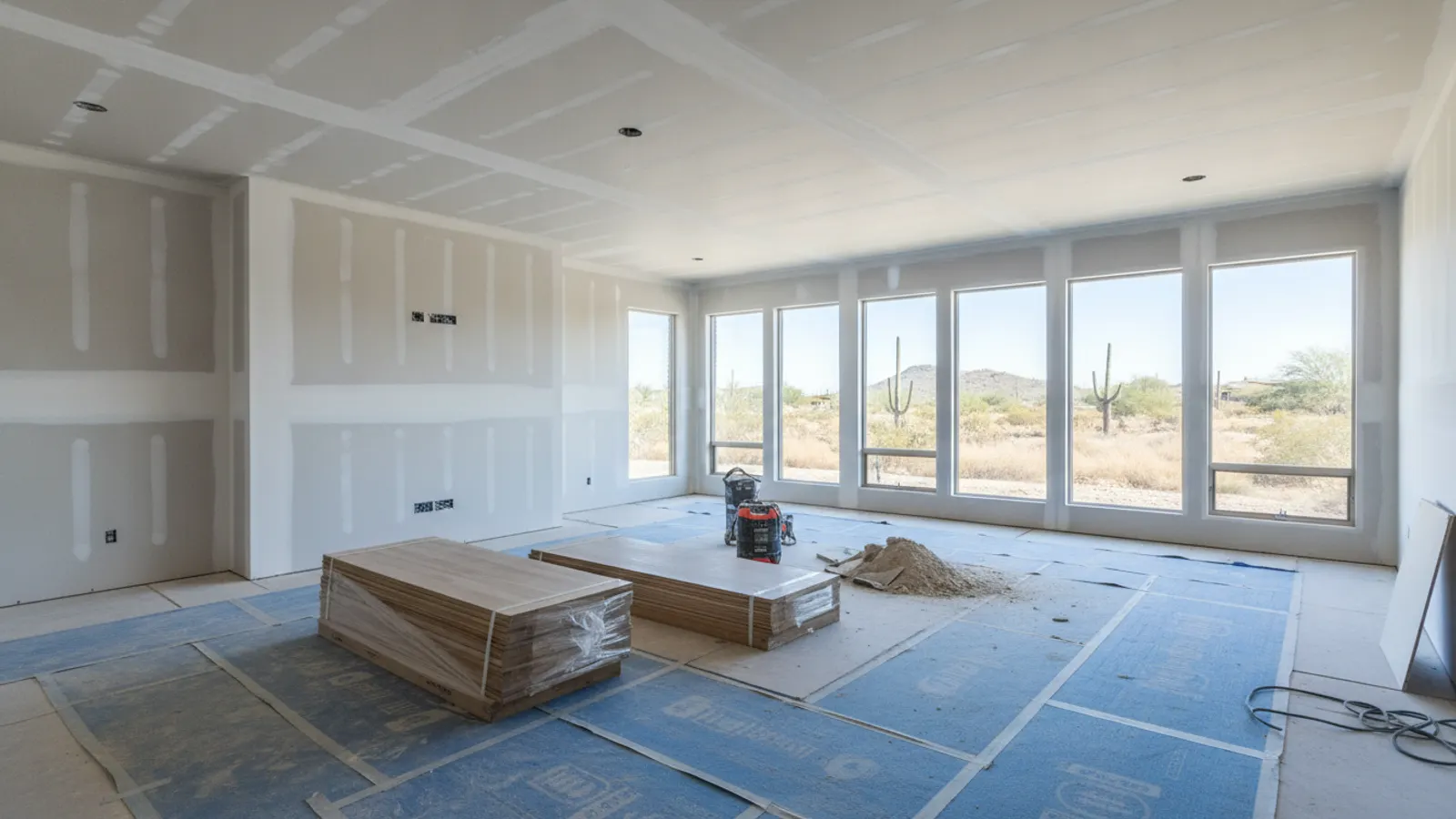
Home Renovation vs. Remodel: What's the Difference?
While often used interchangeably, renovation and remodeling are different scopes of work. A renovation updates the appearance and finishes of existing spaces — new paint,
flooring, fixtures, and lighting — without changing the structural layout. A
remodel alters the structure, layout, or purpose of a room. ProWorx Restoration handles both, and during your free consultation we'll help you determine which approach best meets your goals and budget for your home.
Which Home Renovations Offer the Best ROI?
In the competitive real estate market,
kitchen and
bathroom renovations consistently deliver the highest return on investment — typically 60-80% cost recovery at resale. Other high-ROI updates include new flooring, exterior paint, energy-efficient windows, and landscaping improvements. ProWorx Restoration helps you prioritize renovations that maximize both your daily enjoyment and your home's market value, ensuring every dollar is well spent.
Planning a Whole-Home Renovation
Renovating an entire home is a much larger undertaking than updating a single room, and it rewards careful planning. Start by deciding what you want the house to do differently: more open living space, better storage, improved energy efficiency, modern systems or a different feel throughout. Prioritising those goals helps determine which work happens first and where the budget should go. A clear plan agreed before demolition begins prevents expensive changes once construction is underway.
Systems Before Finishes
The most important principle in a whole-home renovation is to deal with the systems hidden behind walls before investing in the finishes that cover them. Electrical, plumbing, HVAC, insulation and any structural repairs should be addressed while walls and ceilings are open. Installing beautiful new cabinetry and tile, then discovering the wiring or plumbing behind them needs replacement, leads to costly rework.
Stay or Move Out
Many families consider living in the home during a whole-house renovation to save money, but it is often impractical. Dust, noise, utility shut-offs and the absence of a working kitchen or bathroom make daily life difficult, and working around occupants slows construction. Moving out temporarily usually shortens the schedule and reduces stress. If staying is necessary, phasing the work so part of the house remains usable is essential.
Upgrading Electrical Service
Older homes often have electrical panels and service capacity designed for far fewer appliances than modern households use. A whole-home renovation is an ideal time to upgrade the panel, add circuits, replace outdated wiring and plan for future needs such as electric vehicle charging, solar or induction cooking. These upgrades are much easier when walls are already open.
Replumbing an Older Home
Homes built decades ago may contain galvanised steel supply lines that corrode from the inside, restricting water flow and eventually leaking, as well as cast-iron drain lines nearing the end of their service life. Replacing supply lines with modern materials and inspecting drains, often with a camera, during a renovation prevents future failures and improves water pressure throughout the home.
Improving Energy Efficiency
A renovation is an excellent opportunity to reduce cooling costs, which matter enormously in Arizona. Adding attic insulation, sealing air leaks, sealing and insulating ductwork, replacing single-pane windows with high-performance glazing and installing an efficient HVAC system can significantly reduce summer energy bills and improve comfort throughout the house.
Opening Up the Floor Plan
Removing walls to create open-concept living is one of the most requested renovation changes. Before any wall comes down, it must be determined whether it is load-bearing. Load-bearing walls can often still be removed, but they require a properly sized beam and supports, and sometimes engineering. Walls may also contain plumbing, wiring or ductwork that needs rerouting.
Lead Paint in Pre-1978 Homes
Homes built before 1978 may contain lead-based paint. Renovation activities that disturb painted surfaces can create hazardous lead dust, which is particularly dangerous to young children and pregnant women. Federal rules require contractors working in pre-1978 homes to follow lead-safe work practices. If your home falls into this age range, ask how your contractor handles lead safety.
Asbestos in Older Homes
Older homes may contain asbestos in materials such as popcorn ceiling texture, some flooring and its adhesive, insulation and certain siding. Asbestos is generally not harmful when left undisturbed, but renovation can release fibres. Suspect materials should be tested before demolition, and any asbestos should be handled by qualified professionals.
Building a Realistic Contingency
Even well-planned renovations encounter surprises, especially in older homes. Hidden water damage, outdated wiring, structural issues or code requirements discovered after walls are opened can increase costs. Setting aside a contingency, commonly ten to twenty percent of the construction budget, provides a cushion for these unknowns without derailing the project.
Consistency Throughout the House
Renovating the whole home allows finishes to be coordinated throughout. Consistent flooring, trim, doors, hardware and paint create a cohesive look and make the home feel larger and more deliberate. Planning these selections together at the start is easier than matching them room by room over several years.
Renovating for Yourself or for Resale
If you plan to sell within a few years, it is usually wise to choose neutral finishes and focus on improvements buyers value, such as updated kitchens and bathrooms, modern systems and good condition throughout. If you plan to stay for many years, you can prioritise features you will personally enjoy, even if they are less universally appealing.
Managing Change Orders
Changes made after construction starts, known as change orders, are one of the main causes of budget overruns and delays. Some are unavoidable when hidden conditions are discovered, but many result from decisions made late. Finalising design and selections before work begins minimises changes and keeps the project on track.
How Long a Whole-Home Renovation Takes
Timelines depend on scope, permitting, material lead times and the condition of the house. A major whole-home renovation commonly takes several months. A detailed schedule at the outset, updated as work progresses, helps homeowners plan temporary housing and other arrangements.
Windows and Doors
Replacing windows and exterior doors during a whole-home renovation improves energy efficiency, comfort, security and appearance all at once. In Arizona, high-performance glazing with low solar heat gain reduces how much heat enters through west- and south-facing glass, which can make a noticeable difference to summer cooling bills. New windows also eliminate the drafts and dust that older units allow. Coordinating window replacement with interior and exterior finish work avoids damaging new surfaces and allows trim and stucco repairs around openings to be completed together.
Updating the HVAC System
An HVAC system sized for the original home may no longer suit a renovated layout, particularly if walls have been removed or space has been added. A renovation is a good time to evaluate system size, ductwork layout and efficiency. Properly designed ductwork delivers air evenly to every room, eliminating hot and cold spots, and modern equipment uses considerably less energy than older systems.
Design-Build for Whole-Home Projects
Whole-home renovations benefit from a design-build approach, in which design and construction are coordinated by one team. Construction costs can be estimated as the design develops, preventing plans that exceed the budget, and construction knowledge informs design decisions early, which reduces surprises once work begins.
The Final Walkthrough
At the end of a renovation, a thorough walkthrough identifies any remaining items, from paint touch-ups to adjustments to doors and cabinets. These are recorded on a punch list and completed before the project is closed out.