



Odor Removal in Cave Creek, AZ

Wildfire smoke, kitchen smoke, and pet odor removal across Cave Creek — estate-grade, documented.

Serving Cave Creek & nearby Maricopa County

Get Your Free Odor Removal Estimate

Step 1 of 5Project

What kind of project?

Pick the option that fits best — you can add details next.

Quick Answer: Odor Removal in Cave Creek

ProWorx Restoration provides odor removal throughout Cave Creek, AZ. Most Cave Creek odor jobs trace to wildfire smoke infiltration from regional fires, kitchen-fire smoke in custom homes, and equipment-room odors at pool/spa installations. Typical projects run $1,500–$25,000 and 2 days to 3 weeks with hydroxyl, ozone, thermal fogging, and estate-grade rebuild.

1,200+

Projects Completed

15+

Years Experience

ROC #349454

Licensed & Insured

100%

Satisfaction Guaranteed

Odor Removal Built for Cave Creek Homes
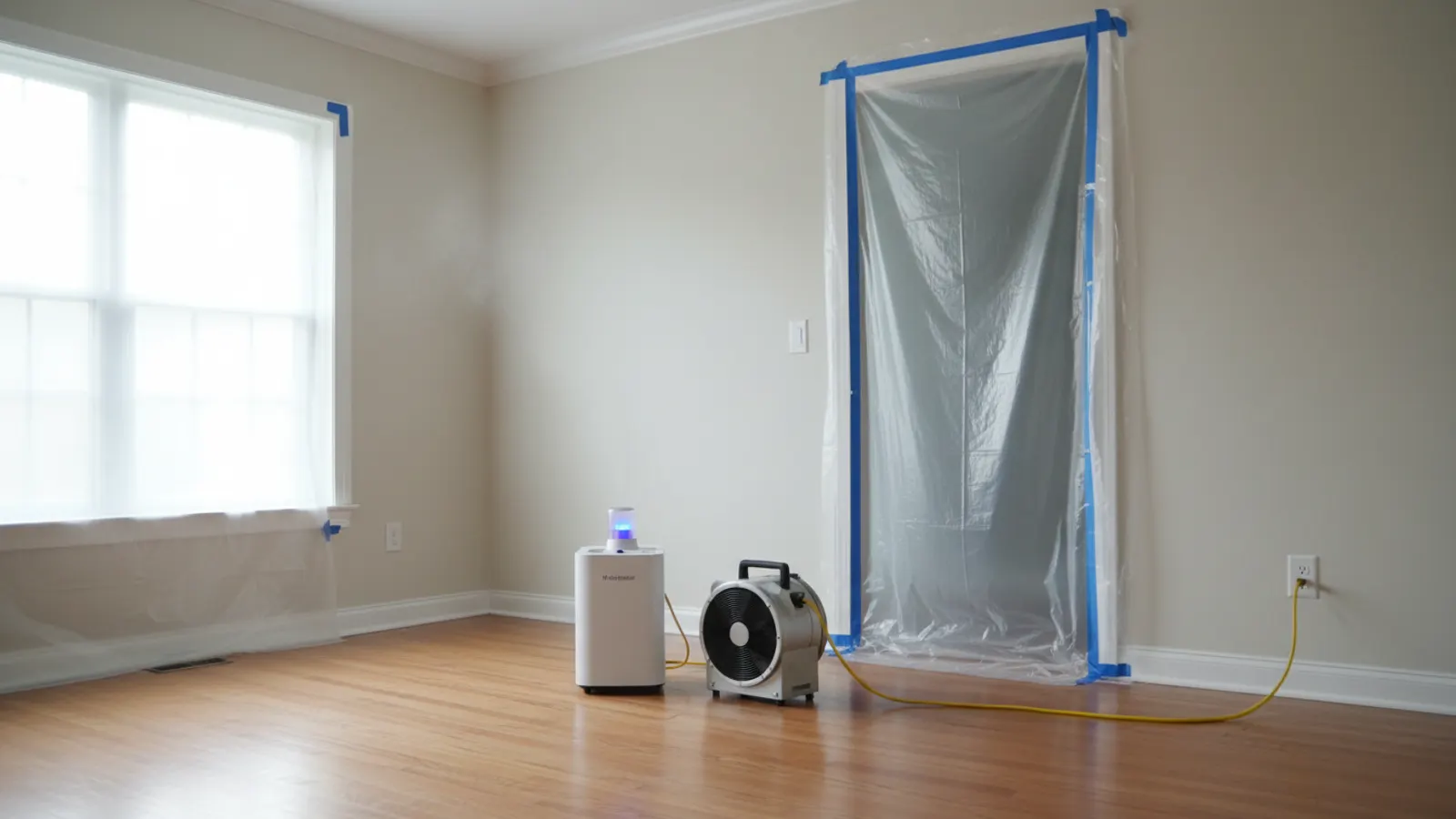
Odor removal treatment with a hydroxyl generator and air scrubber running in a sealed room in a Cave Creek, Arizona home
Cave Creek's wildland-urban-interface location near the Tonto National Forest means wildfire smoke infiltration is a real annual risk. Regional fires (Bush Fire, Telegraph Fire, more recent burns) push fine smoke particulate into homes through HVAC fresh-air intakes, attic vents, and gaps in custom-construction envelopes. Smoke residue settles on stone surfaces, custom millwork, and HVAC components.
Custom estate homes throughout Tatum Ranch, Desert Mountain-adjacent, and far-north Cave Creek add kitchen-fire smoke and equipment-room (pool, spa, generator) odor work with finish-grade rebuild requirements.
Single crew, full source remediation, finish-grade refinishing of stone and wood, HVAC coil and duct treatment, hydroxyl/ozone, documented for HNW carriers.

Why Cave Creek Odor Removal Is Different

Wildfire smoke infiltration is a covered loss under most policies when documented within the event window. We respond during and immediately after regional fires with HEPA scrubbers and HVAC isolation protocols.
Maricopa County hillside and septic rules apply to custom homes. We file engineering and septic paperwork in parallel.

Recent Odor Removal Projects in Cave Creek

Tatum Ranch

Wildfire smoke infiltration after regional burn: HVAC full clean + coil treatment, attic insulation replacement, stone and millwork wipe-down, hydroxyl, repaint

$18K3 weeks

Desert Mountain-adjacent

Kitchen grease-fire smoke in custom home with cathedral ceilings: drywall + insulation removal, beam refinish, custom cabinet refinish, thermal fog, finish-grade repaint

$22K3 weeks

Far-North Cave Creek custom estate

Pool-equipment-room mildew odor migrating into adjacent garage and gallery: containment, drywall remediation, finish-grade repaint, hydroxyl

$8.5K9 days

Odor Removal in Cave Creek: Fast Facts

Wildfire smoke infiltration cases: peak May–July during fire season.

Average wildfire-smoke remediation: $12,000–$28,000.

Custom-home kitchen-fire smoke: vertical migration through cathedral ceilings standard scope.

HVAC coil + duct treatment included on every wildfire job.

HNW carrier coordination: PURE, Chubb, AIG, Cincinnati Signature.

Typical Cost

$500 – $15,000+

Typical Timeline

1 day – 2 weeks

Permit Lead Time

2–4 weeks

What Cave Creek Homeowners Should Know About Odor Removal

Odours From Hidden Moisture

A persistent musty or earthy smell often signals moisture and microbial growth hidden inside walls, under flooring or in the attic. In these cases, odour removal is really moisture remediation: the water source must be found and fixed, damp materials dried or removed, and any mould addressed. Treating the smell without fixing the moisture guarantees its return.

Every Odour Has a Source

Lasting odour removal starts with finding what is producing the smell. Odours are carried by tiny particles and gases released from a source, whether that is smoke residue, pet urine, mould, decomposition, sewage or spoiled food. Until that source is removed or neutralised, any improvement is temporary. Air fresheners and fragrances only layer a stronger smell over the original, which usually returns as soon as they fade.

Thermal Fogging, Ozone and Hydroxyl Treatment

Several methods are used to neutralise smoke odour after visible residue has been removed. Thermal fogging releases a deodorising agent as a fine fog that penetrates the same small spaces smoke reached. Ozone generators can be effective for strong odours but must only be used in unoccupied spaces, because ozone is harmful to people, pets and plants. Hydroxyl generators break down odour molecules and can generally operate safely while people are present, although they work more slowly. The right choice depends on the severity of the odour and whether the home is occupied.

Confirming the Odour Is Gone

Odour can seem to disappear and then return when temperature or humidity changes. We verify results under normal living conditions, including with the air conditioning running, before considering the job complete. If odour persists, it usually means a source remains somewhere, and further investigation is the right next step rather than more masking.

Ozone Treatment and Its Limits

Ozone generators can be very effective against strong odours, but ozone is harmful to breathe and can damage rubber, some plastics and certain fabrics. Ozone treatment must only be carried out in unoccupied spaces, with people, pets and plants removed, and the space must be ventilated before anyone returns. Because of these risks, ozone should be applied by professionals who understand when it is appropriate.

Removing Contaminated Materials

Some materials absorb odour so deeply that cleaning cannot reach it. Carpet pad saturated with pet urine, insulation exposed to smoke, drywall affected by sewage and porous items that have absorbed strong odours are usually removed rather than treated. Taking out the most contaminated material first makes every later treatment far more effective and is often the single biggest step in eliminating a stubborn smell.

Our Fire Cleanup & Repair Process

Every job follows a proven sequence: (1) emergency board-up and water extraction from firefighting efforts; (2) damage assessment with photos for your insurance claim; (3) debris removal and demolition of unsalvageable materials; (4) soot and residue cleaning using the right method for each surface; (5) deodorization with thermal fog or ozone; (6) structural repair, drywall, paint, and finish work. You get one project manager from start to finish.

Dry Sponges, HEPA Vacuums and Wet Cleaning

Professional soot removal uses a sequence of techniques chosen for each surface and type of residue. Dry chemical sponges lift loose dry soot from walls and ceilings without spreading it. HEPA vacuums capture fine particles from surfaces and textures without releasing them back into the air. Once loose residue is removed, appropriate cleaning solutions are used on surfaces that can tolerate wet cleaning. Cleaning progresses from the least aggressive method to the most aggressive, so finishes are not damaged unnecessarily.

Cleaning the HVAC System

If the heating and air-conditioning system ran during or after a fire, it almost certainly circulated smoke and soot through the ductwork and into rooms that were otherwise unaffected. Contaminated ducts continue to release odour and particles every time the system runs, undermining cleanup elsewhere. HVAC cleaning involves inspecting and cleaning the ductwork, registers and air handler, replacing filters and, where necessary, treating the system to remove odour. It should be completed as part of the restoration, not left as an afterthought.

Sealing Before Repainting

Even after thorough cleaning, some smoke odour and staining can remain locked inside porous materials. Painting directly over them with ordinary paint often allows stains to bleed through and odour to return. A specialised odour-sealing primer, typically shellac-based, creates a barrier that locks in residual odour and prevents stains from reappearing. Applying the correct primer before repainting is an important step toward a lasting result.

Pet Odour in Subfloors and Slabs

Pet urine rarely stays in the carpet. It soaks through the pad into the subfloor or onto the concrete slab, where it can persist for years and reactivate whenever humidity rises. Replacing carpet alone often fails for this reason. Effective treatment means locating affected areas, often with ultraviolet light, treating or sealing the subfloor or slab, and replacing contaminated pad before new flooring goes down.

How Our Odor Removal Process Works in Cave Creek

01

Free On-Site Consultation

We visit your property, discuss your goals, and provide a detailed, no-obligation estimate.

02

Custom Project Plan

Our team creates a tailored project plan with timeline, materials, and transparent pricing.

03

Licensed Crews On Site

Licensed craftsmen complete your project with quality materials and meticulous attention to detail.

04

Final Walkthrough & Sign-Off

We inspect every detail with you and ensure complete satisfaction before the job is done.

"Regional fire pushed smoke into our Tatum Ranch home. ProWorx scrubbed the HVAC, replaced attic insulation, treated everything — the house is back to fresh."

ProWorx Client · Cave Creek

Neighborhoods We Serve in Cave Creek

Tatum Ranch · Desert Mountain-adjacent · Carefree-adjacent · Black Mountain · Far-North Cave Creek · Lone Mountain

Odor Removal FAQs for Cave Creek Homeowners

Ready to Start Your Cave Creek Odor Removal Project?

Get a free, no-obligation estimate from a licensed Arizona contractor — ROC #349454.