



Mold Restoration in Fountain Hills, AZ

IICRC-aligned mold remediation and view-home rebuild across Fountain Hills.

Serving Fountain Hills & nearby Maricopa County

Get Your Free Mold Restoration Estimate

Step 1 of 5Project

What kind of project?

Pick the option that fits best — you can add details next.

Quick Answer: Mold Restoration in Fountain Hills

ProWorx Restoration performs IICRC-aligned mold remediation throughout Fountain Hills, AZ. Most Fountain Hills mold cases trace to slow supply-line leaks on premium finishes, pool/spa equipment slow weeping into adjacent finished space, and hillside water intrusion. Typical projects run $3,000–$28,000 and 5 days to 6 weeks.

1,200+

Projects Completed

15+

Years Experience

ROC #349454

Licensed & Insured

100%

Satisfaction Guaranteed

Mold Restoration Built for Fountain Hills Homes
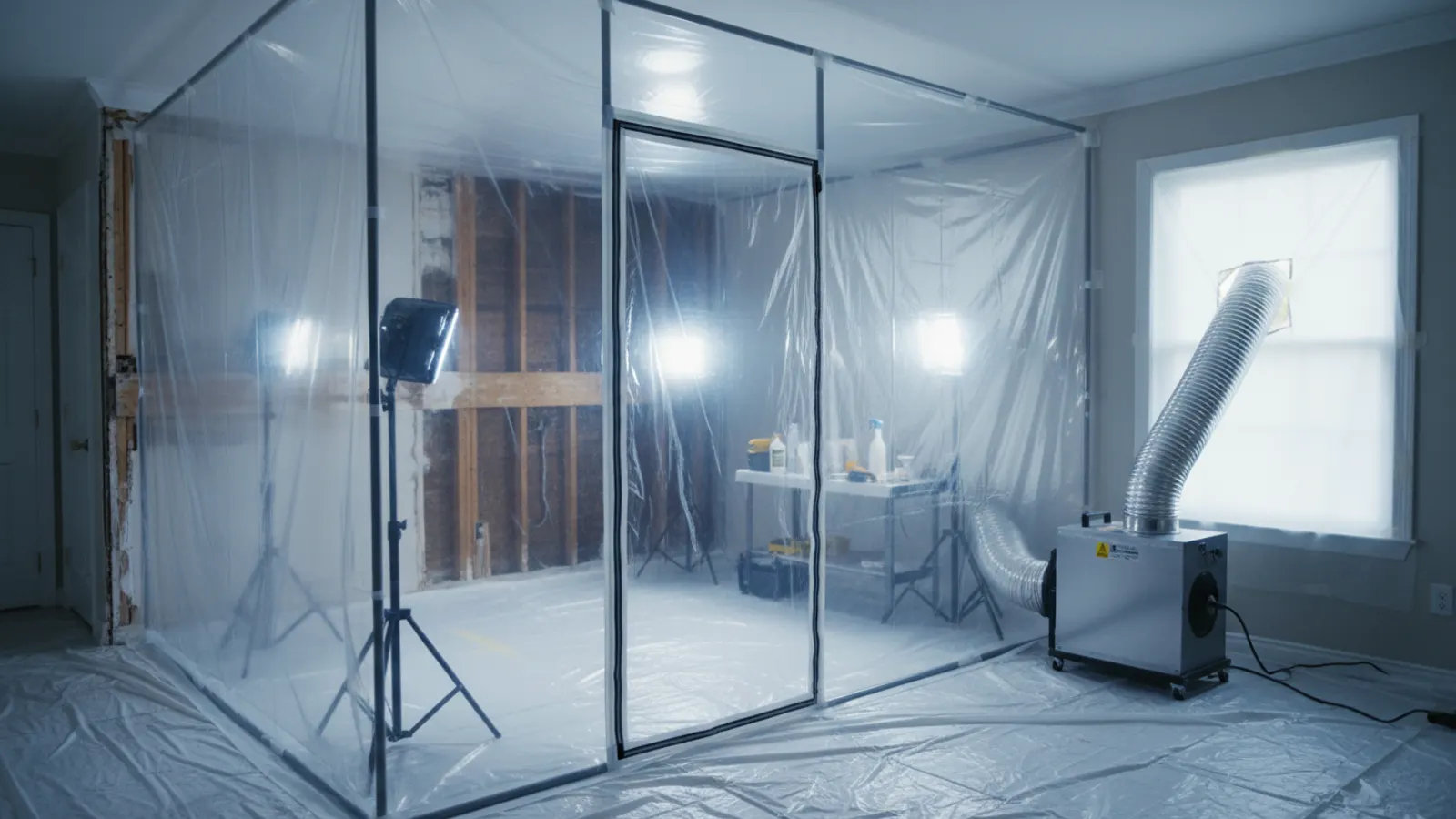
Mold remediation containment with a negative air machine and wall opened to expose framing in a Fountain Hills, Arizona home
Fountain Hills mold cases tend to involve premium finishes — wide-plank oak, travertine, marble, custom millwork. Slow supply-line leaks in view-home wet walls colonize quietly, and the rebuild side of any case carries finish-grade expectations.
Pool, spa, and water-feature equipment slow weeping into adjacent media rooms, gyms, and storage is another recurring source. Hillside-overlay properties also see sheet-flow water intrusion at indoor/outdoor transitions during monsoon.
We containment, HEPA-filter, remediate, and rebuild with finish-grade detail. Single crew, full documentation, third-party clearance available.

Why Fountain Hills Mold Restoration Is Different

Wide-plank and rift-and-quartered wood floors in view-homes can often be saved with early intervention. We moisture-map substrate and decide scope on the first visit.
Hillside-overlay structural rebuild requires engineering review (3–5 weeks). We file in parallel with remediation.

Recent Mold Restoration Projects in Fountain Hills

FireRock

Slow ice-maker leak under wide-plank oak with subfloor mold: containment, in-place wood-floor drying + selective refinish, custom cabinet-kick rebuild

$23K5 weeks

SunRidge Canyon

Hillside sheet-flow water at entry with adjacent wall mold: containment, drywall remediation, custom paint, baseboard/millwork repair

$19K4 weeks

Eagle Mountain

Pool equipment slow weep into media-room wall with cavity mold: containment, drywall remediation, hardwood restoration, A/V re-trim

$25K5 weeks

Mold Restoration in Fountain Hills: Fast Facts

Average Fountain Hills mold remediation + rebuild claim: $8,500–$22,000.

Wide-plank wood floor save rate with early intervention: ~70% when remediation starts <72 hours.

Hillside water-intrusion mold cases: ~25% of our Fountain Hills volume.

Microbial growth window: 48–72 hours.

Hillside-overlay engineering review: add 3–5 weeks for structural scope.

Typical Cost

$1,500 – $30,000+

Typical Timeline

3 days – 4 weeks

Permit Lead Time

2–4 weeks

What Fountain Hills Homeowners Should Know About Mold Restoration

What Drives the Cost of Water Damage Repair

The cost of a water damage job depends mainly on how far the water spread, how contaminated it was, how long it sat before mitigation began and what materials it reached. A clean-water leak caught within hours in a single room may require only extraction and a few days of drying. The same leak discovered after a week can involve removing flooring, cutting out lower drywall, replacing cabinets and treating mould. Category 3 water increases cost because more material must be removed and handled safely. This is why speed matters so much: the single biggest factor within your control is how quickly someone begins removing water and drying the structure.

How Structural Drying Actually Works

Drying a building is not simply a matter of pointing fans at wet surfaces. Effective drying balances three things: removing liquid water by extraction, moving air across wet surfaces so moisture evaporates, and removing that moisture from the air with dehumidifiers so it does not simply condense somewhere else. Too much air movement without enough dehumidification raises humidity throughout the house and can spread damage to dry areas. Temperature matters as well, since warmer air holds more moisture and drying progresses faster within the right range. Professional drying is planned around the volume of the space, the materials involved and how much water they absorbed, which is why two seemingly similar leaks can require very different equipment setups and drying times.

Choosing a Water Damage Company

In the stressful hours after a leak, it is easy to hire the first company that answers. A few questions help separate qualified firms from the rest. Ask whether their technicians are trained to recognised industry standards, whether they measure and document moisture daily, and whether they will explain what needs removing and why. Check that they are licensed and insured in Arizona, particularly if they will also carry out reconstruction. Be wary of anyone pressing you to sign broad authorisations on the spot or promising a result before they have inspected the damage. A reputable company will be clear about what they are doing and why, and will work directly with your insurer.

Mould in the HVAC System

Ductwork, air handlers and condensate drain pans can harbour mould, particularly where condensation collects. Mould in the HVAC system can distribute spores and odour throughout the house every time it runs. Cleaning or replacing affected components, clearing condensate lines and correcting the conditions that allow moisture to accumulate are all part of a thorough remediation when the system is involved.

What to Do in the First Hour

If you discover water damage, safety comes first. If water is near electrical outlets, appliances or the breaker panel, or if ceilings are sagging, stay out of the area and turn off power at the panel only if you can reach it safely without standing in water. Next, stop the source by closing the fixture valve or the main water shut-off, which is usually near the street or where the line enters the house. Move valuables and electronics out of harm's way, photograph everything before cleaning up, and call your insurer and a restoration company. Avoid using a household vacuum on water, and do not turn on ceiling fans or lights in a ceiling that has visible water damage.

Containment During Remediation

Disturbing mould releases spores into the air, and without containment they spread to clean parts of the home. Professional remediation isolates the work area with plastic sheeting and sealed doorways, and uses negative air pressure so air flows into the contained area rather than out of it. HVAC returns in the work zone are sealed so the system does not distribute spores through the house. Containment is what separates genuine remediation from simply moving the problem.

When Mould Testing Is Useful

Testing is not always necessary. If mould is visible and the moisture source is known, remediation can usually proceed directly. Testing becomes valuable when growth is suspected but not visible, when you need to confirm the extent of contamination, when health concerns require documentation, or after remediation to verify that the work succeeded. Air and surface sampling should be interpreted against outdoor and unaffected indoor samples, since some spores are always present.

Arizona's Monsoon Season and Water Damage Prevention

Arizona's monsoon season (June through September) brings intense rainfall that can overwhelm drainage systems and cause flash flooding. homeowners can reduce risk by maintaining gutters and downspouts, grading soil away from foundations, sealing basement walls, and installing sump pumps in low-lying areas. Despite prevention efforts, monsoon damage happens — and when it does, ProWorx Restoration provides 24/7 emergency water extraction, structural drying, and complete property restoration.

Mould in a Desert Climate

Arizona's dry air leads many homeowners to assume mould is not a concern, but indoor moisture problems create their own microclimates. Leaking supply lines, failed shower pans, overflowing air-conditioning condensate, roof leaks during monsoon storms and evaporative coolers all supply the moisture mould needs. Because the outdoor air is dry, a musty smell indoors is often a clearer warning sign here than it would be in a humid region.

How Our Mold Restoration Process Works in Fountain Hills

01

Free On-Site Consultation

We visit your property, discuss your goals, and provide a detailed, no-obligation estimate.

02

Custom Project Plan

Our team creates a tailored project plan with timeline, materials, and transparent pricing.

03

Licensed Crews On Site

Licensed craftsmen complete your project with quality materials and meticulous attention to detail.

04

Final Walkthrough & Sign-Off

We inspect every detail with you and ensure complete satisfaction before the job is done.

"Slow pool equipment leak grew mold in our media-room wall. ProWorx remediated it, saved the floor, and the rebuilt A/V wall is invisible."

ProWorx Client · Fountain Hills

Neighborhoods We Serve in Fountain Hills

FireRock · Eagle Mountain · SunRidge Canyon · Desert Mirage · Crestview · Adero Canyon

Mold Restoration FAQs for Fountain Hills Homeowners

Ready to Start Your Fountain Hills Mold Restoration Project?

Get a free, no-obligation estimate from a licensed Arizona contractor — ROC #349454.