



Mold Restoration in Queen Creek, AZ

IICRC-aligned mold remediation and rebuild across Queen Creek.

Serving Queen Creek & nearby Maricopa County

Get Your Free Mold Restoration Estimate

Step 1 of 5Project

What kind of project?

Pick the option that fits best — you can add details next.

Quick Answer: Mold Restoration in Queen Creek

ProWorx Restoration performs IICRC-aligned mold remediation throughout Queen Creek, AZ. Most Queen Creek mold cases trace to second-floor washer/water-heater slow leaks producing first-floor ceiling mold, and slow refrigerator/dishwasher supply-line failures in post-2010 tract homes. Typical projects run $2,000–$18,000 and 5 days to 4 weeks.

1,200+

Projects Completed

15+

Years Experience

ROC #349454

Licensed & Insured

100%

Satisfaction Guaranteed

Mold Restoration Built for Queen Creek Homes
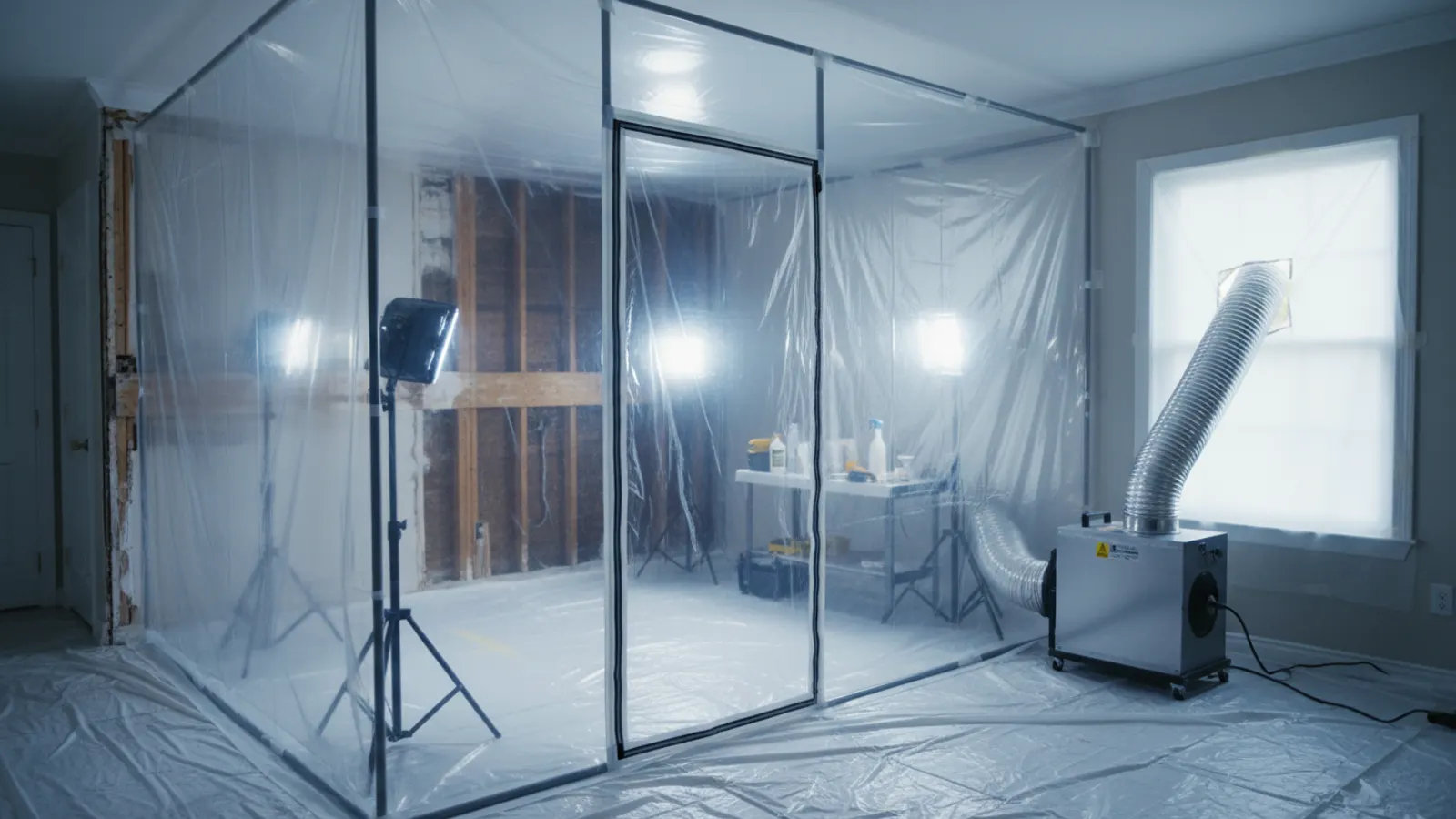
Mold remediation containment with a negative air machine and wall opened to expose framing in a Queen Creek, Arizona home
Queen Creek's post-2010 tract neighborhoods (Encanterra, Hastings Farms, Pecan Creek, Cortina, Ironwood Crossing, Sossaman Estates) generate slow second-floor leaks and under-cabinet appliance leaks at typical rates. Two-story homes dominate, so most QC mold cases involve a vertical-column scope.
Encanterra (active-adult) adds original-equipment slow drips to the mix as the community ages.
We containment, HEPA-filter, remediate, and rebuild — single crew, full documentation, third-party clearance available.

Why Queen Creek Mold Restoration Is Different

Slow upstairs leaks in QC two-story homes almost always colonize first-floor ceiling insulation. We moisture-map the entire vertical column on every upstairs case.
Encanterra HOA requires architectural review for visible exterior repair. We file in parallel with remediation.

Recent Mold Restoration Projects in Queen Creek

Encanterra

Water-heater slow drip with kitchen-wall mold: containment, cabinet removal, drywall remediation, base-cabinet rebuild, new heater + auto-shutoff

$13K3 weeks

Hastings Farms

Upstairs washer slow leak with first-floor ceiling mold: containment, vertical-column remediation, ceiling demo, insulation removal, drywall, paint

$14K3 weeks

Ironwood Crossing

Slow refrigerator ice-maker leak on wood-look tile: containment, cabinet kick rebuild, drywall remediation

$8K10 days

Mold Restoration in Queen Creek: Fast Facts

Average Queen Creek mold remediation + rebuild claim: $5,000–$12,000.

Second-floor slow-leak hidden-mold cases: ~40% of our QC remediation volume.

Microbial growth window: 48–72 hours.

Town of Queen Creek emergency repair permits: typically same-day.

Third-party clearance verification: typically next-day after final HEPA pass.

Typical Cost

$1,500 – $30,000+

Typical Timeline

3 days – 4 weeks

Permit Lead Time

2–4 weeks

What Queen Creek Homeowners Should Know About Mold Restoration

Why Mould Follows Water

Mould spores are present in almost every indoor and outdoor environment, and they stay dormant until they find moisture and something organic to feed on. Wet drywall paper, wood framing, carpet backing and ceiling tiles all qualify. That is why mould is almost always a consequence of a water problem rather than a problem on its own. Removing mould without correcting the moisture that allowed it to grow simply means it returns, usually in the same place, often within weeks.

What Drives the Cost of Water Damage Repair

The cost of a water damage job depends mainly on how far the water spread, how contaminated it was, how long it sat before mitigation began and what materials it reached. A clean-water leak caught within hours in a single room may require only extraction and a few days of drying. The same leak discovered after a week can involve removing flooring, cutting out lower drywall, replacing cabinets and treating mould. Category 3 water increases cost because more material must be removed and handled safely. This is why speed matters so much: the single biggest factor within your control is how quickly someone begins removing water and drying the structure.

Not All Water Is the Same: The Three Categories

The industry standard for water damage restoration, IICRC S500, sorts water into three categories by how contaminated it is, and the category determines what can be saved. Category 1 is clean water from a sanitary source, such as a burst supply line or an overflowing sink with no contaminants. Category 2, often called grey water, carries significant contamination: washing machine or dishwasher discharge, or a toilet overflow containing urine but no faeces. Category 3, black water, is grossly contaminated and includes sewage, rising flood water from outside and any water that has been left standing long enough to support significant microbial growth. Water also degrades over time and with contact, so a clean-water leak left for several days can become Category 2 or 3. Porous materials such as carpet pad and drywall that have absorbed Category 3 water generally cannot be cleaned and must be removed.

Why Bleach Is Not the Answer

Household bleach is commonly used on mould, but it is a poor choice for building materials. It can lighten the visible stain while doing little to growth that has penetrated porous surfaces, and the water it contains can feed regrowth. Bleach also produces harmful fumes and should never be mixed with other cleaners. Professional remediation relies on physical removal, appropriate cleaning agents and drying, rather than on masking stains.

Remove or Clean

Porous materials such as drywall, insulation, carpet and ceiling tiles that have grown mould generally cannot be reliably cleaned and should be removed and bagged inside containment. Semi-porous and non-porous materials, including structural wood, metal and glass, can often be cleaned. Structural framing is not removed simply because it has surface mould; it is cleaned, treated and dried. Deciding what to remove and what to clean is the core judgement in any mould job.

Choosing a Water Damage Company

In the stressful hours after a leak, it is easy to hire the first company that answers. A few questions help separate qualified firms from the rest. Ask whether their technicians are trained to recognised industry standards, whether they measure and document moisture daily, and whether they will explain what needs removing and why. Check that they are licensed and insured in Arizona, particularly if they will also carry out reconstruction. Be wary of anyone pressing you to sign broad authorisations on the spot or promising a result before they have inspected the damage. A reputable company will be clear about what they are doing and why, and will work directly with your insurer.

Mould: When It Becomes a Concern

Mould spores are present almost everywhere, but they need moisture to grow, and wet building materials can begin supporting growth surprisingly quickly in warm conditions. The aim of rapid drying is to bring materials back to normal moisture levels before growth gets established. If mould is already present, it should be handled under containment, so disturbing it does not spread spores to other parts of the home, and affected porous materials are generally removed rather than cleaned. Covering visible mould with paint does not solve the problem, because the moisture source and the growth behind the surface remain. Addressing the cause of the moisture is always part of the fix.

Verifying the Work Is Complete

Remediation is finished when contaminated material has been removed, surfaces have been cleaned, the area has been dried to normal moisture levels and the original moisture source has been fixed. Visual inspection, moisture readings and, where appropriate, post-remediation testing confirm the result before containment comes down and rebuilding begins. Rebuilding before verification risks sealing a problem back inside the wall.

Mould in the HVAC System

Ductwork, air handlers and condensate drain pans can harbour mould, particularly where condensation collects. Mould in the HVAC system can distribute spores and odour throughout the house every time it runs. Cleaning or replacing affected components, clearing condensate lines and correcting the conditions that allow moisture to accumulate are all part of a thorough remediation when the system is involved.

HEPA Filtration and Negative Air

Air scrubbers fitted with HEPA filters capture airborne spores and fine particles during remediation. When ducted to exhaust outside the containment, they also create the negative pressure that keeps contaminated air from escaping into the rest of the home. HEPA vacuums are used to clean surfaces once contaminated material has been removed. These tools reduce the airborne spore load both during the work and before containment is taken down.

How Our Mold Restoration Process Works in Queen Creek

01

Free On-Site Consultation

We visit your property, discuss your goals, and provide a detailed, no-obligation estimate.

02

Custom Project Plan

Our team creates a tailored project plan with timeline, materials, and transparent pricing.

03

Licensed Crews On Site

Licensed craftsmen complete your project with quality materials and meticulous attention to detail.

04

Final Walkthrough & Sign-Off

We inspect every detail with you and ensure complete satisfaction before the job is done.

"Slow upstairs washer leak grew mold in our dining-room ceiling. ProWorx contained, remediated, and rebuilt the whole affected area in three weeks."

ProWorx Client · Queen Creek

Neighborhoods We Serve in Queen Creek

Encanterra · Hastings Farms · Pecan Creek · Cortina · Ironwood Crossing · Sossaman Estates

Mold Restoration FAQs for Queen Creek Homeowners

Ready to Start Your Queen Creek Mold Restoration Project?

Get a free, no-obligation estimate from a licensed Arizona contractor — ROC #349454.