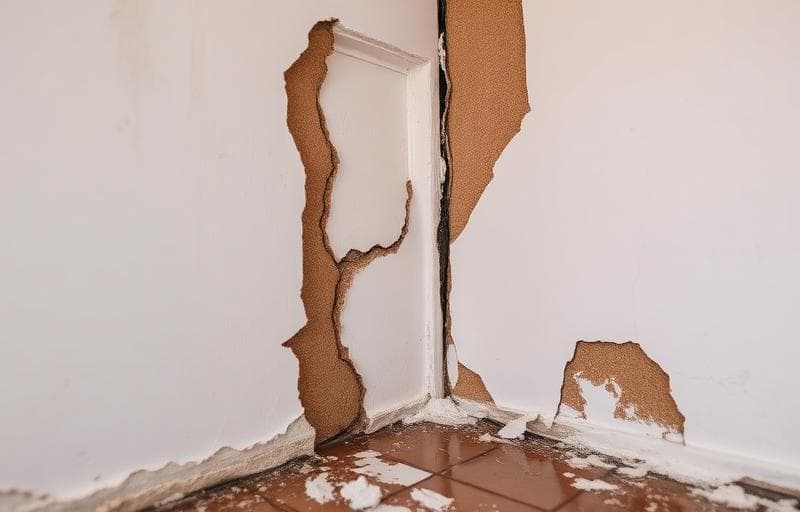


Discovering fire or water damage in your home is overwhelming. Your mind races. You don't know what to touch, who to call, or what your insurance covers. But the steps you take in the first 24–48 hours can save thousands of dollars and prevent further damage.
This guide walks you through exactly what to do — and when to call a professional fire and water damage restoration company in Mesa.
Immediate Steps After Water Damage
- Stop the source. If the water is coming from a burst pipe or appliance, shut off the water supply immediately.
- Turn off electricity. If water is near outlets or electrical panels, cut power to affected areas from the breaker box.
- Document everything. Take photos and videos of all damage before moving anything. Your insurance company will need this.
- Remove standing water. Use towels, mops, or a wet/dry vacuum if safe to do so.
- Call your insurance company. Report the damage and get a claim number.
- Call a restoration contractor. Professional water extraction and drying prevents mold growth, which can start within 24–48 hours.
Immediate Steps After Fire Damage
- Do not re-enter the home until the fire department clears it as safe.
- Contact your insurance company as soon as possible to start the claims process.
- Document the damage. Photograph everything — structural damage, smoke damage, damaged belongings.
- Secure the property. Board up broken windows and doors to prevent weather damage or theft.
- Call a restoration specialist. Fire damage restoration involves smoke removal, structural assessment, and rebuilding.
How Professional Restoration Works
A licensed restoration contractor follows a systematic process:
- Assessment: Full inspection to determine the extent of damage
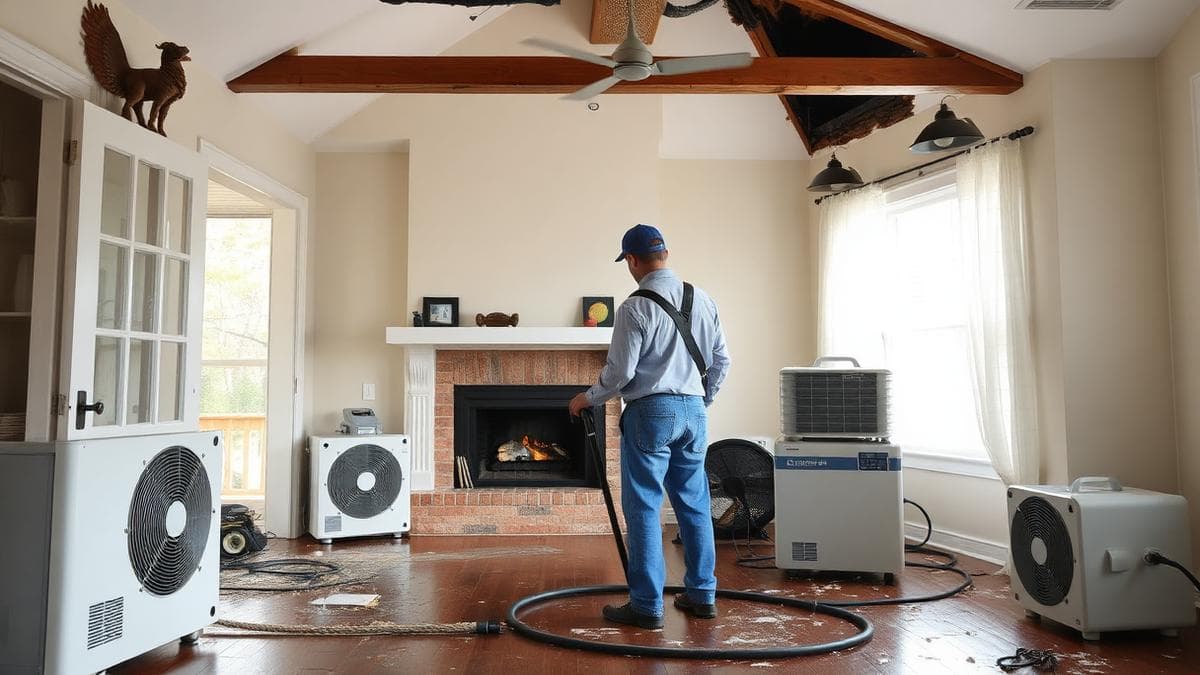
- Water extraction and drying: Industrial equipment removes moisture from walls, floors, and structures
- Smoke and soot removal: Specialized cleaning to remove toxic residue
- Mold prevention: Treatment to stop mold before it starts
- Structural repairs: Rebuilding damaged walls, floors, ceilings, and systems
- Final restoration: Returning the home to pre-damage condition
Why Mesa Homes Are Vulnerable
You might think water damage is rare in the desert. It's not. Mesa homes face unique risks:
- Monsoon flooding: Sudden heavy rains overwhelm drainage systems and can flood homes
- Aging plumbing: Many Mesa homes were built in the 1970s–1990s with pipes that are now failing
- Swamp cooler leaks: Evaporative coolers are common in Arizona and can leak into ceilings and walls
- AC condensation: HVAC systems produce moisture that can cause hidden water damage
Insurance Tips for Mesa Homeowners
Most homeowners insurance covers sudden water damage (like burst pipes) but not gradual damage (like slow leaks). Fire damage is generally covered under standard policies. Here's how to maximize your claim:
- Document everything before cleanup begins
- Keep receipts for any emergency expenses
- Don't throw away damaged items until the adjuster inspects them
- Get an independent estimate from a licensed contractor
Don't Wait — Call ProWorx Restoration
Time is critical with fire and water damage. The longer you wait, the worse the damage gets. ProWorx Restoration provides emergency restoration services throughout Mesa and the Phoenix Metro area. Contact us immediately for fast, professional help.
Safety Decisions Come Before Property
In both fire and water emergencies, the first decisions are about people rather than belongings. After a fire, do not re-enter until the fire department says the structure is safe; heat weakens framing in ways that are not visible. With water, do not walk into standing water that may be in contact with outlets, appliances or the panel, and if you can reach the main breaker safely without standing in water, shut power to the affected area.
Sagging ceilings deserve particular caution in both scenarios. Saturated drywall becomes very heavy and can come down without warning, bringing water, insulation and debris with it.
Stop the Source
With water, find the shut-off. A fixture valve beneath a sink or behind a toilet handles a localised failure; a failed supply line, water heater or slab leak needs the main shut-off, usually near the street or where the line enters the house. Everyone in the household should know where that is before they need it.
After a fire, the equivalent is securing the structure: boarding openings and covering a damaged roof so weather, animals and intruders cannot get in. In monsoon season, an open roof after a fire can cause more water damage than the fire caused fire damage.
Photograph Before You Touch Anything
This is the step most often skipped and the one most often regretted. Before moving furniture, mopping, discarding anything or starting any cleanup, photograph and video everything: water lines on walls, standing water depth, soot patterns, charring, affected belongings and the general condition of each room.
Insurers rely heavily on this evidence, and once a room is cleared it cannot be recreated. Capture more than you think you need, including inside cabinets, closets and the garage.
Call in the Right Order
Report the claim to your insurer so the file is open and the clock starts, then call a licensed restoration contractor. You are not obliged to use a contractor your insurer recommends; the choice is yours in Arizona.
What you should not do is wait for an adjuster to visit before starting mitigation. Most policies require you to take reasonable steps to prevent further damage, and the damage grows every hour. Starting extraction or drying is not jumping the gun; it is complying with the policy.
Why Hours Matter With Water
Water damage escalates on a timeline. Within the first day, water spreads into flooring, drywall and cabinetry and furniture finishes begin to bleed onto carpet. Over the following days, materials swell and warp, odours develop and conditions become favourable for microbial growth. Left long enough, what would have been drying becomes demolition and remediation.
That is why the single most valuable thing within your control is how quickly extraction and drying begin. A leak caught in hours is often dried in place; the same leak found after a week usually means replaced flooring, opened walls and a longer, costlier job.
Why Hours Matter With Fire Too
Fire damage also worsens after the flames are out, which surprises people. Many soot residues are acidic and keep working on surfaces: within days they can etch glass, discolour plastics, tarnish metal fixtures and yellow finishes. Items that could have been cleaned become items that must be replaced.
Smoke odour behaves the same way, penetrating deeper into porous materials the longer it sits. Prompt cleaning limits how much of the house ends up being replaced rather than restored.
What Not to Do
Do not wipe soot with a wet cloth; many residues smear when wet, pushing them permanently into painted walls and ceiling texture. Do not run the HVAC system after a fire until it has been assessed, since it will distribute soot through the whole house. Do not use a household vacuum on standing water. Do not discard damaged belongings before they are documented, however ruined they look.
And do not paint over smoke-stained or water-stained surfaces to hide them. Without proper cleaning and a sealing primer, stains and odour come back through.
What Happens Once Professionals Arrive
Knowing the sequence makes the process less bewildering. With water, crews make the property safe, confirm the source is stopped, extract standing water, remove materials that cannot be dried, and set drying equipment sized to the space and the amount of water absorbed. Moisture readings are taken daily against a dry standard established from unaffected materials, and drying is finished when those readings match, not when a set number of days has passed.
With fire, the sequence is securing the structure, assessing residue type, cleaning surfaces with methods suited to that residue, removing what cannot be cleaned, treating odour, and only then rebuilding. In both cases documentation is produced throughout, because it supports the insurance claim as much as it guides the work.