



Flood Restoration in Chandler, AZ

24/7 monsoon and supply-line flood response across Chandler — extraction, drying, and rebuild.

Serving Chandler & nearby Maricopa County

Get Your Free Flood Restoration Estimate

Step 1 of 5Project

What kind of project?

Pick the option that fits best — you can add details next.

Quick Answer: Flood Restoration in Chandler

ProWorx Restoration handles 24/7 flood restoration throughout Chandler, AZ. Common Chandler flood losses are appliance supply-line failures in 1990s–2000s Ocotillo and Fulton Ranch tract homes, monsoon retention-basin overtopping in lower-elevation neighborhoods, and water-heater failures in Sun Lakes active-adult homes. Typical projects run $3,500–$45,000 and 1–6 weeks.

1,200+

Projects Completed

15+

Years Experience

ROC #349454

Licensed & Insured

100%

Satisfaction Guaranteed

Flood Restoration Built for Chandler Homes
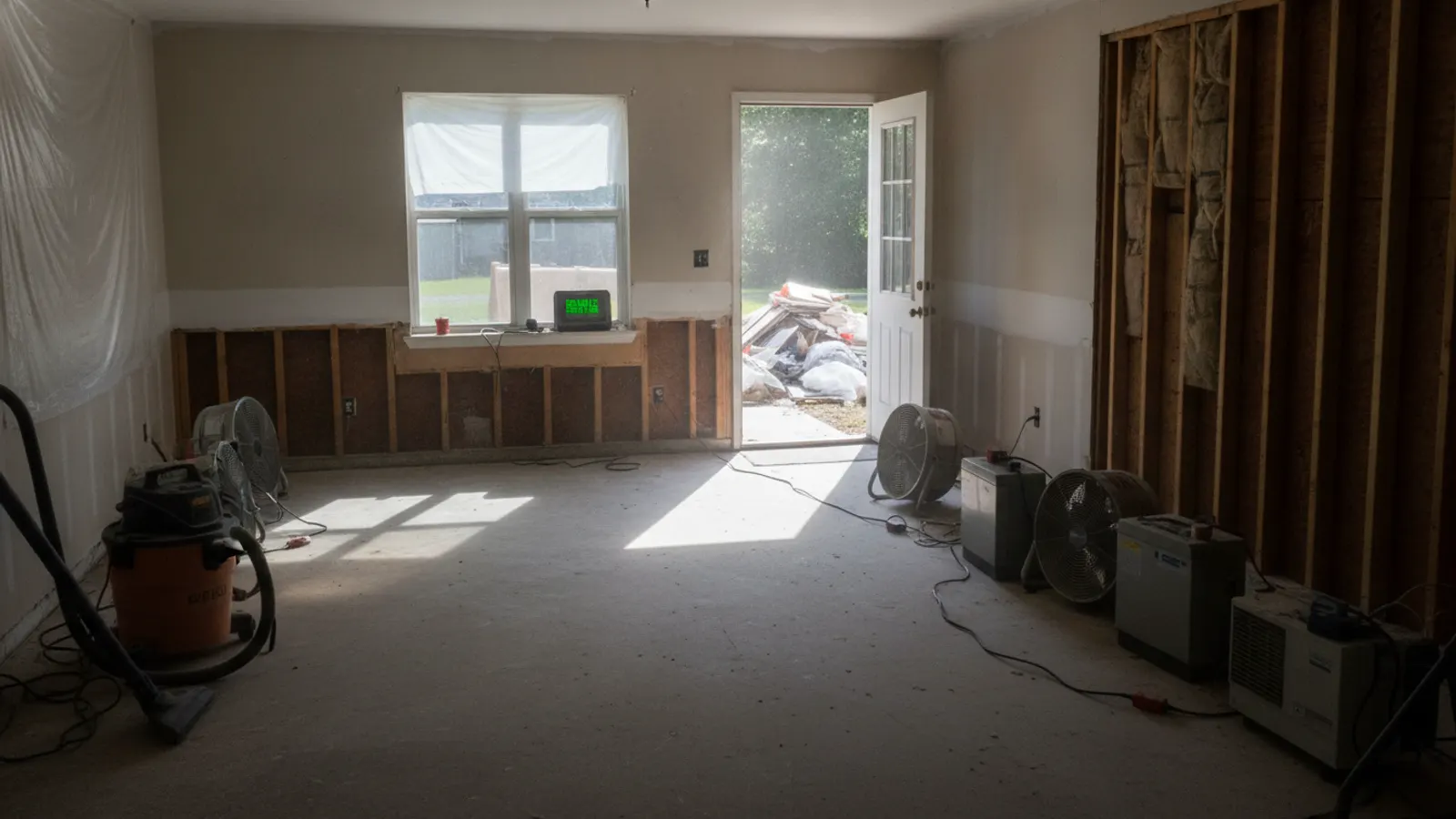
Flood-damaged flooring removed to the slab with drying equipment running in a Chandler, Arizona home
Chandler's housing stock is younger than central Phoenix or Mesa, so its flood profile is different. The 1990s–2000s Ocotillo, Fulton Ranch, and Pecos Ranch buildouts dominate the claim volume — refrigerator and dishwasher supply lines, washing machines, and the occasional water-softener loop failure. Sun Lakes adds a steady stream of original-water-heater failures in homes now 20–35 years old.
Lower-elevation Chandler neighborhoods adjacent to retention basins (south of Pecos, west of Arizona Ave) see monsoon-driven surface flooding when 100-year storms overtop drainage. The City of Chandler has invested heavily in stormwater, but the worst monsoon cells still beat the system.
We respond 24/7 across Chandler with truck-mounted extraction, structural drying, mold prevention, and rebuild — all in-house.

Why Chandler Flood Restoration Is Different

Chandler HOAs in Ocotillo, Fulton Ranch, and Sun Lakes require architectural review for visible exterior repairs after a roof or stucco failure. We file the HOA package in parallel with mitigation so the rebuild stays on schedule.
Chandler Development Services issues most emergency repair permits same-day. Structural rebuild permits typically 1–3 weeks, faster than most West Valley jurisdictions.

Recent Flood Restoration Projects in Chandler

Ocotillo

Upstairs washing-machine hose burst: two-story water damage, ceiling demo, hardwood refinish, repaint

$32K5 weeks

Sun Lakes

Garage water-heater failure: kitchen and laundry extraction, base-cabinet rebuild, LVP replacement

$19K4 weeks

Fulton Ranch

Refrigerator ice-maker line failure on travertine: in-place drying, grout/sealer restoration, cabinet kick replacement

$11K2 weeks

Flood Restoration in Chandler: Fast Facts

Average Chandler flood/water loss claim: $8,000–$25,000.

Appliance supply-line failures: roughly 45% of Chandler residential water losses.

Sun Lakes original water heater failure rate (age 20+): high — recommend proactive replacement at 12 years.

City of Chandler emergency repair permits: typically same-day.

Microbial growth window: 48–72 hours in summer.

Typical Cost

$3,000 – $75,000+

Typical Timeline

1 – 8 weeks

Permit Lead Time

2–4 weeks

How We Approach Flood Restoration

Arizona's monsoon season — typically mid-June through September — can dump 1–3 inches of rain in under an hour on hard-packed desert soil that can't absorb it. The result: flash flooding, washes overrunning streets, roof leaks under wind-driven rain, and ground-water intrusion into garages, casitas, and lower-level living spaces. ProWorx Restoration is a licensed Arizona general contractor (ROC #349454) responding 24/7 to flood emergencies across the Valley.
We arrive with truck-mounted water extractors, submersible pumps, commercial dehumidifiers, and air movers. Water is removed immediately, structural drying begins within hours, and antimicrobial treatment is applied before mold can take hold (typically within 24–48 hours of saturation). For total losses we also handle drywall, flooring, insulation, and finish reconstruction under the same contract.

24/7 emergency response across the Phoenix metro

Licensed Arizona general contractor (ROC #349454)

Truck-mounted water extraction and submersible pumping

Industrial dehumidification and high-velocity air movers

Antimicrobial treatment to prevent mold growth

Thermal imaging to detect hidden moisture

What Chandler Homeowners Should Know About Flood Restoration

Choosing a Water Damage Company

In the stressful hours after a leak, it is easy to hire the first company that answers. A few questions help separate qualified firms from the rest. Ask whether their technicians are trained to recognised industry standards, whether they measure and document moisture daily, and whether they will explain what needs removing and why. Check that they are licensed and insured in Arizona, particularly if they will also carry out reconstruction. Be wary of anyone pressing you to sign broad authorisations on the spot or promising a result before they have inspected the damage. A reputable company will be clear about what they are doing and why, and will work directly with your insurer.

Reducing Future Flood Risk

Once a home has flooded, it is sensible to look at why water reached the structure and what can be changed. Regrading soil so it slopes away from the foundation, extending downspouts, installing drainage channels, sealing gaps around doors and garage openings, and raising thresholds can all help. In some cases, landscape changes or berms can redirect runoff. We can recommend practical improvements as part of the restoration so the home is better protected during future monsoon seasons.

Our Residential Water Restoration Process

Every job follows the IICRC S500 sequence: emergency extraction, moisture mapping with thermal cameras, removal of unsalvageable materials, commercial dehumidification and air movement for 3–5 days, antimicrobial application, then drywall and finish reconstruction. You get one project manager from first call through final paint, and your insurance claim is documented every step.

Where Residential Water Damage Usually Comes From

In Arizona homes, most water damage originates inside the house rather than from weather. Braided supply lines under sinks and toilets fail at their fittings, water heaters in garages and closets rupture as they age, refrigerator ice-maker lines leak slowly behind the appliance, washing machine hoses split, and air-conditioning condensate lines clog and overflow. Many of these failures are preventable with occasional inspection: replacing rubber washing machine hoses with braided ones, checking supply lines for corrosion or bulging, flushing water heaters and replacing them before they fail, and keeping condensate lines clear. A few minutes of checking each year can prevent a very expensive repair.

Protecting Children and Pets

Restoration sites carry hazards that are easy to overlook in a busy household. Drying equipment runs on electrical cords that can be tripped over, removed baseboards expose nails and tack strip, and contaminated water or mould requires keeping people and animals out of affected areas entirely. Dehumidifiers and air movers should not be unplugged or moved, since that interrupts the drying plan. We set up equipment with households in mind, route cords safely and mark areas that must stay closed, but supervision matters. If anyone in the home has asthma, allergies or a weakened immune system, tell us at the start so we can take that into account when planning containment.

Rebuilding After the Drying Is Done

Once the structure is dry, the home has to be put back together, and this is where a single contractor handling both mitigation and reconstruction saves time and confusion. Removed drywall is replaced and finished to match surrounding walls, baseboards and trim are reinstalled, flooring is repaired or replaced, cabinets are reset or rebuilt, and painting blends new work into existing finishes. Matching flooring and texture so repairs are not obvious takes care. We manage the full rebuild after drying, coordinating every trade so your home is returned to the condition it was in before the loss.

What to Do in the First Hour

If you discover water damage, safety comes first. If water is near electrical outlets, appliances or the breaker panel, or if ceilings are sagging, stay out of the area and turn off power at the panel only if you can reach it safely without standing in water. Next, stop the source by closing the fixture valve or the main water shut-off, which is usually near the street or where the line enters the house. Move valuables and electronics out of harm's way, photograph everything before cleaning up, and call your insurer and a restoration company. Avoid using a household vacuum on water, and do not turn on ceiling fans or lights in a ceiling that has visible water damage.

How Our Flood Restoration Process Works in Chandler

01

Free On-Site Consultation

We visit your property, discuss your goals, and provide a detailed, no-obligation estimate.

02

Custom Project Plan

Our team creates a tailored project plan with timeline, materials, and transparent pricing.

03

Licensed Crews On Site

Licensed craftsmen complete your project with quality materials and meticulous attention to detail.

04

Final Walkthrough & Sign-Off

We inspect every detail with you and ensure complete satisfaction before the job is done.

"Our refrigerator line let go on Saturday morning. ProWorx saved most of the travertine, rebuilt the cabinet bank in two weeks, and the project manager kept us in the loop the entire time."

ProWorx Client · Chandler

Neighborhoods We Serve in Chandler

Ocotillo · Sun Lakes · Fulton Ranch · Andersen Springs · Pecos Ranch · Clemente Ranch · Layton Lakes · Downtown Chandler

Flood Restoration FAQs for Chandler Homeowners

Ready to Start Your Chandler Flood Restoration Project?

Get a free, no-obligation estimate from a licensed Arizona contractor — ROC #349454.