



Flooring Installation in Buckeye, AZ

Tile, LVP, and engineered wood across Buckeye — Verrado to Tartesso.

Serving Buckeye & nearby Maricopa County

Get Your Free Flooring Installation Estimate

Step 1 of 5Project

What kind of project?

Pick the option that fits best — you can add details next.

Quick Answer

ProWorx Restoration provides flooring installation across Buckeye, AZ — Verrado TND wide-plank engineered wood, Sun City Festival accessibility LVP, large-format porcelain, and slab prep in Sundance, Tartesso, and Festival Ranch. Typical projects run $4 – $14/sf installed.

1,200+

Projects Completed

15+

Years Experience

ROC #349454

Licensed & Insured

100%

Satisfaction Guaranteed

Flooring Installation Built for Buckeye Homes
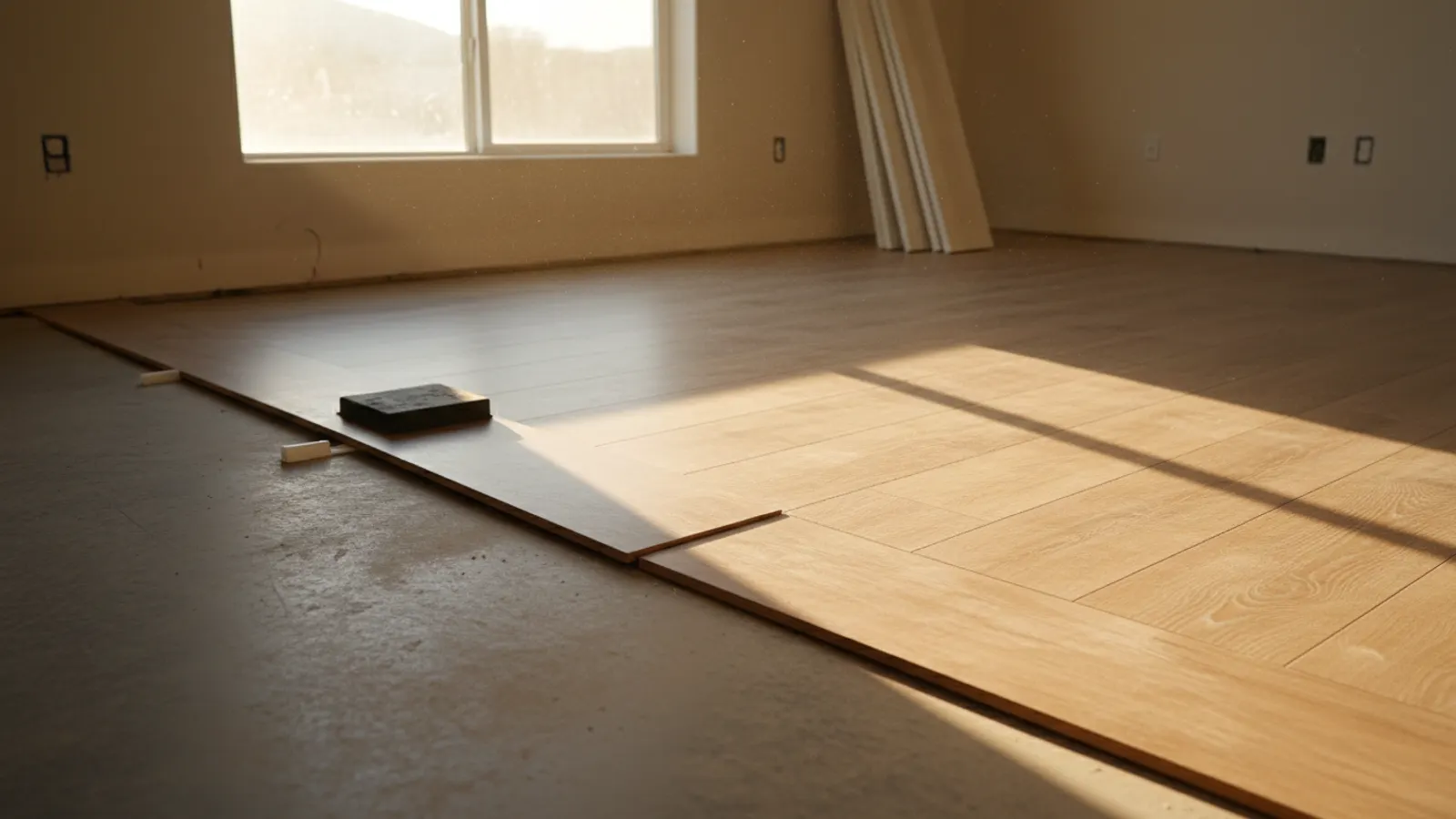
Luxury vinyl plank flooring being locked together across a prepared subfloor in a Buckeye, Arizona home
Buckeye's volume splits between Verrado TND (wide-plank engineered wood, large-format porcelain to meet the architectural style guide) and Sun City Festival active-adult (carpet-to-LVP conversions with accessibility coordination).
Sundance, Tartesso, and Festival Ranch run standard mid-range LVP and 12×24 tile.
Insurance flooring scopes (slab leak, monsoon roof leak) are scoped in Xactimate with direct carrier billing.

Why Buckeye Flooring Installation Is Different

Verrado TND style guide drives wide-plank wood and large-format porcelain spec.
Sun City Festival HOA quiet-hours and ARC coordination on every age-restricted job.
Buckeye Development Services doesn't permit like-for-like flooring.

Recent Flooring Installation Projects in Buckeye

Verrado

TND great-room 8″ engineered white oak + entry porcelain, leveled slab, 1,600 sf

$28K10 days

Sun City Festival

Carpet-to-LVP whole-home + curbless bath, accessibility-grade, 1,900 sf

$14K6 days

Sundance

Whole-home 24×48 porcelain over self-leveled slab, 2,800 sf

$30K11 days

Flooring Installation in Buckeye: Fast Facts

Verrado TND wide-plank wood: ~25% of Buckeye volume.

Sun City Festival accessibility LVP: ~25%.

Large-format porcelain: ~30%.

Average Buckeye flooring project: $13,000–$34,000.

Self-leveling required on most pre-2010 slabs with deflection.

Typical Cost

$2,000 – $30,000+

Typical Timeline

3 days – 3 weeks

Permit Lead Time

2–4 weeks

How We Approach Flooring Installation

ProWorx Restoration installs porcelain tile, luxury vinyl plank (LVP), engineered hardwood, laminate, and carpet across the Phoenix metro. We handle subfloor prep, slab moisture testing, crack-isolation membranes, and demolition of existing flooring. Arizona ROC #349454.
Phoenix-metro flooring choices are shaped by slab-on-grade construction and the climate. Solid hardwood is generally inappropriate over slab — moisture vapor transmission from concrete causes cupping and crowning even years after the slab cures. Engineered hardwood, porcelain tile, and LVP dominate for good reason. Slab moisture testing (calcium chloride or RH probe per ASTM F1869/F2170) is essential before any glue-down installation. Crack-isolation membranes (Schluter Ditra, NobleSeal CIS) under tile prevent slab cracks from telegraphing into the tile assembly.

Porcelain and ceramic tile with Schluter Ditra crack-isolation

Luxury vinyl plank (LVP) — waterproof, click-lock, and glue-down systems

Engineered hardwood over slab with proper moisture mitigation

Laminate and carpet installation

Slab moisture testing (ASTM F1869 calcium chloride, F2170 RH probe)

Subfloor leveling and patching to install-spec flatness

What Buckeye Homeowners Should Know About Flooring Installation

Luxury Vinyl Plank in the Kitchen

Luxury vinyl plank has become a popular kitchen choice because many products have waterproof cores, are softer and warmer underfoot than tile and resist scratches well. They can replicate the look of wood or stone convincingly at a lower cost. Quality varies widely, so attention to wear layer thickness and core construction is important. Proper installation, including expansion gaps, ensures the floor performs well in Arizona's temperature swings.

Choosing Flooring for Phoenix Kitchens

Porcelain tile is the long-term winner — waterproof, scratch-proof, indifferent to Phoenix dust and heat, and lasts 30+ years. LVP is the second most popular: waterproof, softer underfoot, easier on dropped dishes, installs faster, and runs $5–$10/sq ft installed. Engineered hardwood works in kitchens that flow into wood-floored living rooms but is vulnerable to dishwasher leaks and refrigerator water-line failures — we install with extra moisture-barrier underlayment when used in kitchens.

Why You Should Not Sand Too Soon

A common and costly mistake is sanding a cupped floor flat before the wood has returned to its normal moisture content. Once the boards finish drying, the edges that were sanded down shrink further than the centres, leaving the floor crowned and permanently uneven. Proper restoration means drying the floor and subfloor first, monitoring moisture readings until they stabilise at normal levels, and waiting to see how much the boards flatten on their own. Only then should any sanding and refinishing be considered.

When Replacement Is the Right Call

Drying in place is not always appropriate. Floors exposed to contaminated water, engineered flooring whose core has swollen or delaminated, boards that have split or buckled severely, and floors left wet long enough to develop mould are generally replaced rather than saved. Replacement also gives an opportunity to correct any subfloor damage underneath. We assess the floor honestly and explain whether drying or replacement makes more sense for your situation and your budget.

Solid Versus Engineered Hardwood

Solid hardwood and engineered hardwood respond differently to water. Solid hardwood can often be dried and, if necessary, sanded and refinished several times over its life. Engineered hardwood has a thin layer of real wood bonded to a plywood or composite core, and water can cause that core to swell or delaminate, which is usually not reversible. The thickness of the wear layer also limits whether engineered flooring can be refinished. Knowing which type you have helps set realistic expectations about whether the floor can be saved.

Expansion Gaps

Floating floors and wood flooring expand and contract with temperature and humidity changes. Leaving appropriate gaps around the perimeter, usually concealed beneath baseboards, allows the floor to move without buckling. Arizona's temperature swings make this especially important.

Transitions Between Rooms

Where kitchen flooring meets flooring in adjoining rooms, the heights may differ, especially when one material is replaced and the other is not. Uneven transitions create tripping hazards and look unfinished. Transition strips, adjusting the underlayment or replacing flooring in adjoining spaces at the same time can create smooth, safe transitions. Planning these junctions during the design stage produces a better result.

Our Hardwood Floor Water Damage Process

Every job starts with extraction within hours — the faster water is removed, the more floor we can save. We then deploy specialized hardwood drying mats (Injectidry or similar) and dehumidifiers, monitoring moisture content daily. Once the floor is dry to spec, we sand out cupping and stains, replace any boards beyond repair, then refinish with your choice of stain and topcoat — water-based polyurethane for fast cure or oil-based for the traditional warm tone.

Arizona's Dry Climate After the Flood

Arizona's naturally low humidity can help hardwood dry, but it also creates its own challenges. Wood that dries too quickly or unevenly can crack, check or develop gaps between boards. Once restoration is complete, normal indoor humidity in Arizona homes is often much lower than in other regions, and floors installed or repaired without allowing for that can shrink and open up over time. Controlled drying and allowing replacement boards to acclimatise to the home before installation help prevent these issues.

Testing for Moisture

Concrete slabs can transmit moisture from the ground, which can damage moisture-sensitive flooring and adhesives. Testing slab moisture before installation helps determine whether a moisture barrier or a different flooring choice is needed. Skipping this step can lead to warping, mould or adhesive failure.

Cabinets on the Floor or Floor Around the Cabinets

A long-standing debate in kitchen remodelling is whether new flooring should run beneath the cabinets or stop at their edge. Running flooring beneath cabinets makes future layout changes easier and keeps finished floor height consistent, but it uses more material. Installing flooring around existing cabinets saves material but leaves the flooring outline fixed to the current cabinet layout. The best approach depends on whether cabinets are being replaced and on the type of flooring chosen.

Our Proven Process

01

Free Consultation

We visit your property, discuss your goals, and provide a detailed, no-obligation estimate.

02

Custom Plan

Our team creates a tailored project plan with timeline, materials, and transparent pricing.

03

Expert Execution

Licensed craftsmen complete your project with quality materials and meticulous attention to detail.

04

Final Walkthrough

We inspect every detail with you and ensure complete satisfaction before the job is done.

"Verrado wide-plank install met the TND style guide first round — clean lines, no callbacks, walked through with the HOA rep and signed off same day."

ProWorx Client · Buckeye

Neighborhoods We Serve in Buckeye

Verrado · Sundance · Tartesso · Festival Ranch · Sun City Festival · Buckeye Estates · Westpark

Flooring Installation FAQs for Buckeye Homeowners

Ready to Start Your Buckeye Flooring Installation Project?

Get a free, no-obligation estimate from a licensed Arizona contractor — ROC #349454.