



Odor Removal in Tempe, AZ

Student-rental turnovers, smoke, and sewage odor across Tempe — fast turn, documented.

Serving Tempe & nearby Maricopa County

Get Your Free Odor Removal Estimate

Step 1 of 5Project

What kind of project?

Pick the option that fits best — you can add details next.

Quick Answer: Odor Removal in Tempe

ProWorx Restoration provides odor removal throughout Tempe, AZ. Most Tempe odor jobs are ASU student-rental turnovers (smoke, vape, pet, vomit), sewage backflows in 1950s–70s clay laterals near downtown, and slab-leak mildew in pre-1980 ranch homes. Typical projects run $500–$8,000 and 1–6 days.

1,200+

Projects Completed

15+

Years Experience

ROC #349454

Licensed & Insured

100%

Satisfaction Guaranteed

Odor Removal Built for Tempe Homes
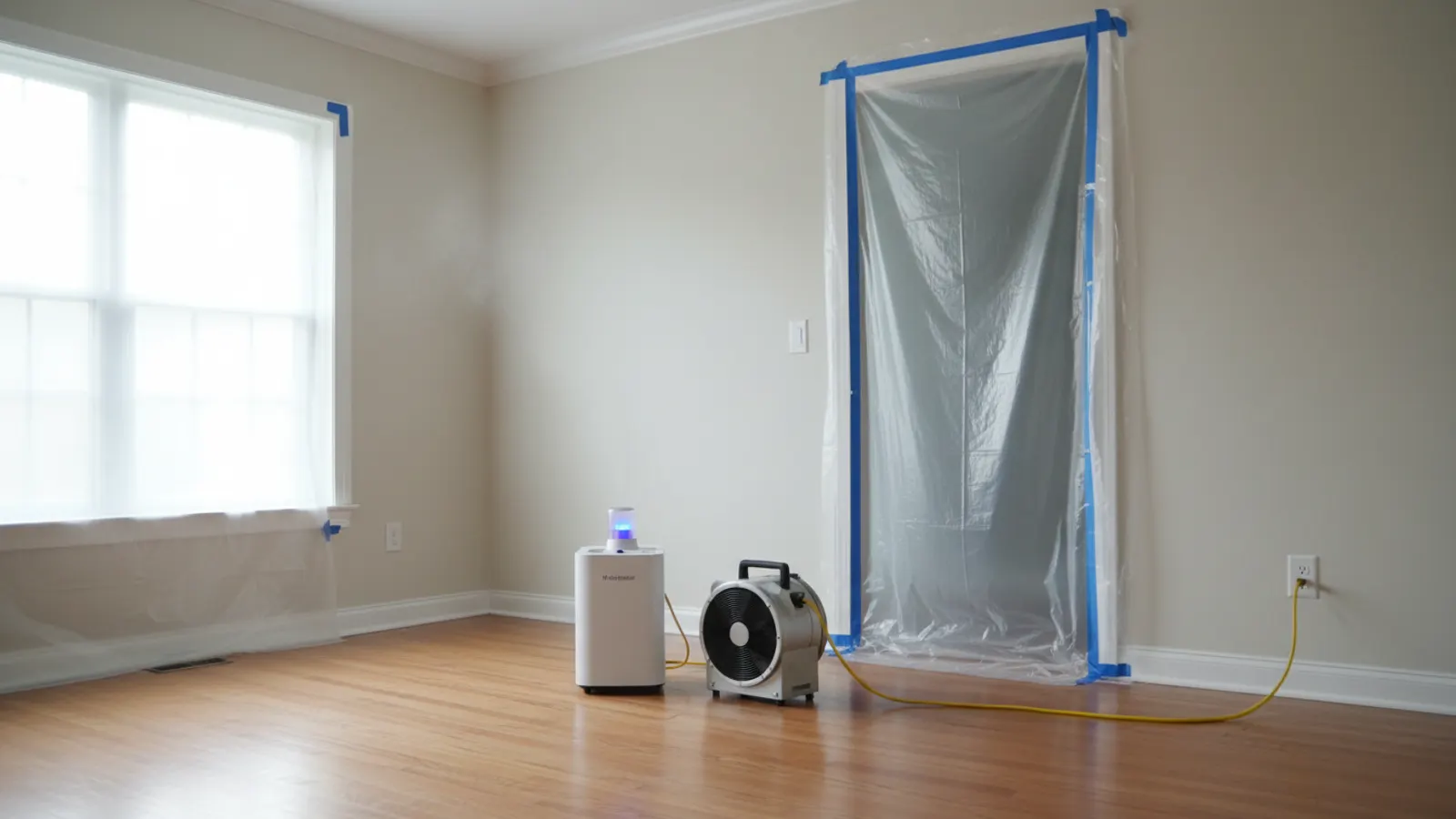
Odor removal treatment with a hydroxyl generator and air scrubber running in a sealed room in a Tempe, Arizona home
Tempe's ASU rental market generates the highest volume of acute odor work — cigarette and vape residue, pet damage (often undisclosed), vomit, and party damage between summer and fall lease turns. Property managers serving ASU need 5–10 day turn windows in late July and early August; we run multiple crews during that peak.
Pre-1980 ranch homes (Maple-Ash, Mitchell Park, downtown-adjacent) add sewage backflow from aging clay drain lines and slab-leak mildew from failing galvanized supply lines.
Single crew, source remediation, HVAC clean, hydroxyl/ozone, and repaint with odor-blocking primer. Documented for property managers and insurers.

Why Tempe Odor Removal Is Different

Tempe student turnovers require predictable timeline more than premium scope. We schedule turnover blocks in July–August and guarantee turn dates for property managers booking ahead.
City of Tempe same-day emergency repair permits for sewage and biohazard.

Recent Odor Removal Projects in Tempe

ASU-adjacent rental (Mitchell Park)

Student-turnover smoke + pet + party damage: carpet replacement, drywall patch, HVAC clean, ozone, full repaint with odor-blocking primer

$4.5K6 days

Maple-Ash

Sewage backflow under hall bath from failed clay lateral: extraction, baseplate + drywall replacement, antimicrobial, hydroxyl

$5.2K5 days

Warner Ranch

Slab-leak mildew odor behind kitchen cabinets: containment, cabinet removal, drywall remediation, hydroxyl, base-cabinet rebuild

$8K10 days

Odor Removal in Tempe: Fast Facts

ASU student-turnover odor jobs: ~45% of our Tempe odor volume.

July–August turnover peak: 3x baseline volume.

Average student-turnover odor job: $2,500–$5,500.

Sewage backflow common in 1950s–70s clay-lateral downtown-area homes.

City of Tempe same-day emergency permits.

Typical Cost

$500 – $15,000+

Typical Timeline

1 day – 2 weeks

Permit Lead Time

2–4 weeks

What Tempe Homeowners Should Know About Odor Removal

Confirming the Odour Is Gone

Odour can seem to disappear and then return when temperature or humidity changes. We verify results under normal living conditions, including with the air conditioning running, before considering the job complete. If odour persists, it usually means a source remains somewhere, and further investigation is the right next step rather than more masking.

Thermal Fogging, Ozone and Hydroxyl Treatment

Several methods are used to neutralise smoke odour after visible residue has been removed. Thermal fogging releases a deodorising agent as a fine fog that penetrates the same small spaces smoke reached. Ozone generators can be effective for strong odours but must only be used in unoccupied spaces, because ozone is harmful to people, pets and plants. Hydroxyl generators break down odour molecules and can generally operate safely while people are present, although they work more slowly. The right choice depends on the severity of the odour and whether the home is occupied.

Dry Sponges, HEPA Vacuums and Wet Cleaning

Professional soot removal uses a sequence of techniques chosen for each surface and type of residue. Dry chemical sponges lift loose dry soot from walls and ceilings without spreading it. HEPA vacuums capture fine particles from surfaces and textures without releasing them back into the air. Once loose residue is removed, appropriate cleaning solutions are used on surfaces that can tolerate wet cleaning. Cleaning progresses from the least aggressive method to the most aggressive, so finishes are not damaged unnecessarily.

Sealing Remaining Odour

When residual odour remains locked inside structural surfaces such as framing or subfloor after cleaning, specialised sealing primers can encapsulate it so it cannot escape. Sealing is a final step rather than a substitute for removal and cleaning. Painting over odour-affected surfaces with ordinary paint usually allows the smell to bleed back through.

Common Sources of Persistent Odour

The odours we are most often asked to remove come from a handful of sources: smoke from house fires, cooking or long-term indoor smoking; pet urine soaked into carpet pad, subfloor or concrete; mould and mildew from hidden moisture; sewage from backups or failed drain lines; and decomposition from rodents or other animals inside walls or attics. Each requires a different approach, which is why identifying the source comes first.

Cleaning the HVAC System

If the heating and air-conditioning system ran during or after a fire, it almost certainly circulated smoke and soot through the ductwork and into rooms that were otherwise unaffected. Contaminated ducts continue to release odour and particles every time the system runs, undermining cleanup elsewhere. HVAC cleaning involves inspecting and cleaning the ductwork, registers and air handler, replacing filters and, where necessary, treating the system to remove odour. It should be completed as part of the restoration, not left as an afterthought.

Removing Contaminated Materials

Some materials absorb odour so deeply that cleaning cannot reach it. Carpet pad saturated with pet urine, insulation exposed to smoke, drywall affected by sewage and porous items that have absorbed strong odours are usually removed rather than treated. Taking out the most contaminated material first makes every later treatment far more effective and is often the single biggest step in eliminating a stubborn smell.

Cleaning Cabinets, Closets and Hidden Spaces

Smoke reaches places that are easy to overlook. The interiors of cabinets and drawers, closets, the space above cabinets, light fixtures, the inside of outlet boxes and the back of appliances all collect residue. Failing to clean these spaces leaves sources of odour that return once the house is closed up again, often after the homeowner has moved back in and assumes the work is finished. Thorough fire cleanup means emptying and cleaning cabinet interiors, cleaning closets and their contents, and addressing every surface where smoke settled, not only the visible walls and ceilings. It is slower work, but it is what separates a cleanup that lasts from one that has to be redone.

Thermal Fogging

Thermal fogging disperses a deodorising agent as a fine fog that penetrates the same cracks, voids and porous surfaces that smoke and odour reached. It is particularly useful after fire and smoke damage, where odour has travelled into areas that cannot easily be cleaned by hand. Like other treatments, it works best after the source material has been removed and surfaces cleaned.

Odours in the HVAC System

Heating and cooling systems can circulate odours throughout a home, and ductwork can hold residue from smoke, mould or other contaminants. If an odour seems strongest when the system runs, the ducts, air handler or drain pan may be involved. Cleaning the system, replacing filters and correcting moisture problems prevents the HVAC from reintroducing odour after other treatments are complete.

Why Phoenix Fires Need Specialized Cleanup

Arizona homes have features that change how fire residue behaves: stucco walls that hold odor for months, tile roofs that trap heat above attic insulation, foam-in-place insulation that releases acrid smoke, and HVAC systems running 18+ hours a day during summer that spread soot building-wide. We address each of these conditions specifically rather than applying generic cleanup methods.

Windows, Blinds and Light Fixtures

Glass, window tracks, blinds and light fixtures all attract a film of soot that dulls them and holds odour. Blinds and fixtures are often removed for cleaning, while window tracks need detailed attention to remove trapped residue. Light fixtures also need checking for heat damage before they are reconnected.

How Our Odor Removal Process Works in Tempe

01

Free On-Site Consultation

We visit your property, discuss your goals, and provide a detailed, no-obligation estimate.

02

Custom Project Plan

Our team creates a tailored project plan with timeline, materials, and transparent pricing.

03

Licensed Crews On Site

Licensed craftsmen complete your project with quality materials and meticulous attention to detail.

04

Final Walkthrough & Sign-Off

We inspect every detail with you and ensure complete satisfaction before the job is done.

"Manage 30 ASU rentals — ProWorx is my go-to for turnover odor. Predictable turn times, clean documentation, never had a tenant complaint after."

ProWorx Client · Tempe

Neighborhoods We Serve in Tempe

Maple-Ash · Mitchell Park · Warner Ranch · The Lakes · Downtown Tempe · South Tempe · Dobson Ranch-adjacent

Odor Removal FAQs for Tempe Homeowners

Ready to Start Your Tempe Odor Removal Project?

Get a free, no-obligation estimate from a licensed Arizona contractor — ROC #349454.