



Mold Restoration in Peoria, AZ

IICRC-aligned mold remediation and rebuild across Peoria.

Serving Peoria & nearby Maricopa County

Get Your Free Mold Restoration Estimate

Step 1 of 5Project

What kind of project?

Pick the option that fits best — you can add details next.

Quick Answer

ProWorx Restoration performs IICRC-aligned mold remediation throughout Peoria, AZ — including Sun City and Sun City West. Most Peoria mold cases trace to original water-heater slow drips, original-equipment supply-line failures in active-adult homes, and second-floor laundry events in Vistancia and Trilogy. Typical projects run $2,000–$22,000 and 5 days to 4 weeks.

1,200+

Projects Completed

15+

Years Experience

ROC #349454

Licensed & Insured

100%

Satisfaction Guaranteed

Mold Restoration Built for Peoria Homes
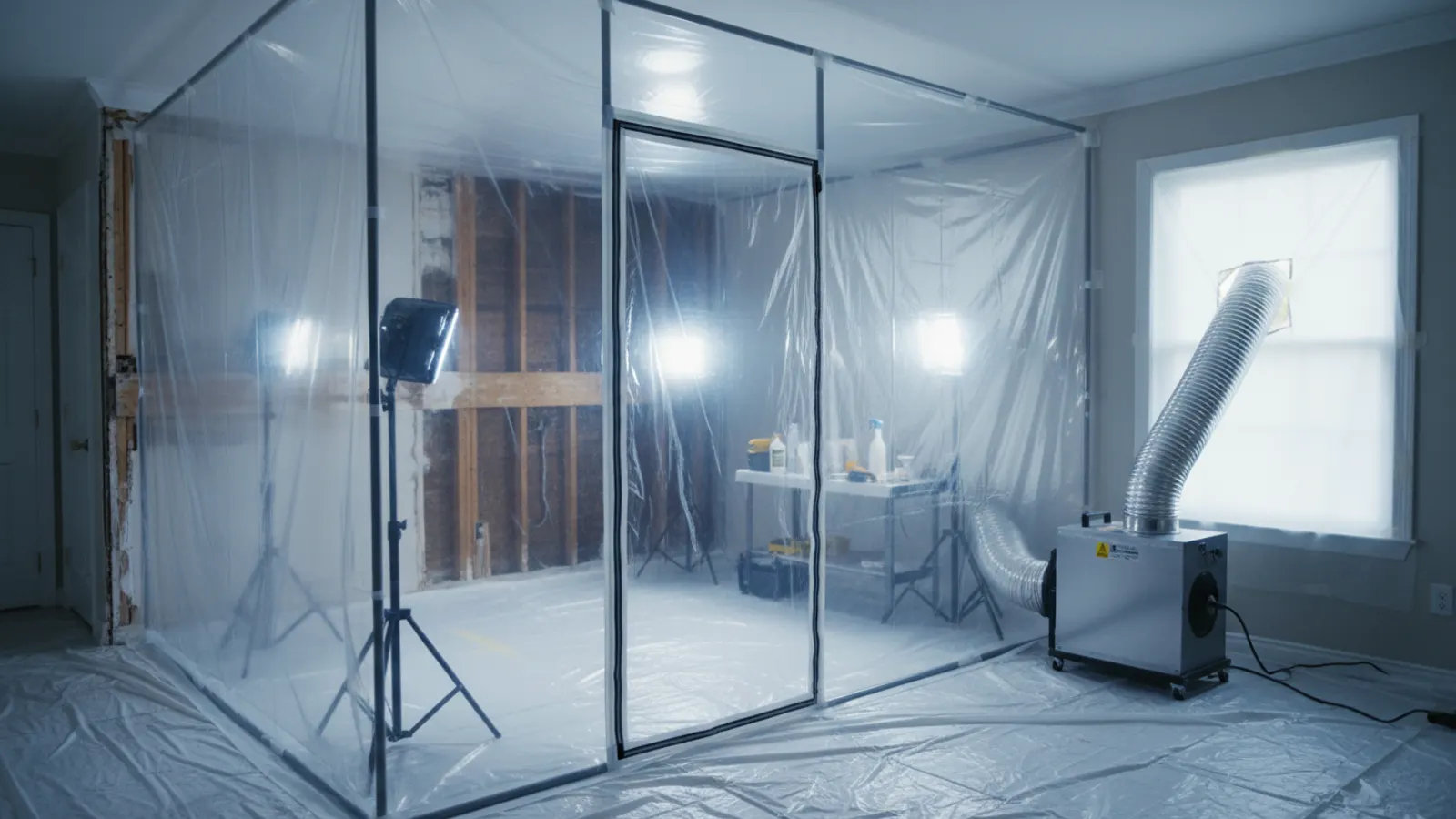
Mold remediation containment with a negative air machine and wall opened to expose framing in a Peoria, Arizona home
Peoria's dual demographics drive distinct mold patterns. Sun City and Sun City West homes are 30–55 years old, with original water heaters, original copper, and original washer hoses still in service — most active-adult mold cases we see trace to slow drips that snowballed over months. Newer Peoria (Vistancia, Trilogy, Fletcher Heights) skews toward two-story laundry and water-heater events with ceiling mold below.
Far-north Peoria neighborhoods also see monsoon roof and skylight failures producing attic mold during peak summer.
We containment, HEPA-filter, remediate, and rebuild — single crew, full documentation, third-party clearance available for insurance and real-estate.

Why Peoria Mold Restoration Is Different

Sun City active-adult homes often present hidden mold from original-equipment slow drips that compound over time. We probe and moisture-test all wet walls before scope, not just visible staining.
Vistancia and Trilogy HOAs require architectural review for visible exterior repair. We file in parallel with remediation.

Recent Mold Restoration Projects in Peoria

Sun City

Original water-heater slow drip with adjacent kitchen-wall mold: containment, cabinet removal, drywall remediation, base-cabinet rebuild, new heater + auto-shutoff

$13K3 weeks

Vistancia

Upstairs washer slow leak with first-floor ceiling mold: containment, ceiling demo, insulation removal, antimicrobial, drywall, paint

$15K3 weeks

Trilogy

Slow refrigerator supply-line leak on travertine: containment, cabinet kick rebuild, grout/sealer restoration, drywall remediation

$9K2 weeks

Mold Restoration in Peoria: Fast Facts

Average Peoria mold remediation + rebuild claim: $5,000–$14,000.

Sun City original-equipment hidden-mold cases: roughly 35% of our Peoria remediation volume.

Attic mold from monsoon roof failures: peaks July–August.

Microbial growth window: 48–72 hours.

Third-party clearance verification: typically next-day after final HEPA pass.

Typical Cost

$1,500 – $30,000+

Typical Timeline

3 days – 4 weeks

Permit Lead Time

2–4 weeks

What Peoria Homeowners Should Know About Mold Restoration

What Drives the Cost of Water Damage Repair

The cost of a water damage job depends mainly on how far the water spread, how contaminated it was, how long it sat before mitigation began and what materials it reached. A clean-water leak caught within hours in a single room may require only extraction and a few days of drying. The same leak discovered after a week can involve removing flooring, cutting out lower drywall, replacing cabinets and treating mould. Category 3 water increases cost because more material must be removed and handled safely. This is why speed matters so much: the single biggest factor within your control is how quickly someone begins removing water and drying the structure.

When Mould Testing Is Useful

Testing is not always necessary. If mould is visible and the moisture source is known, remediation can usually proceed directly. Testing becomes valuable when growth is suspected but not visible, when you need to confirm the extent of contamination, when health concerns require documentation, or after remediation to verify that the work succeeded. Air and surface sampling should be interpreted against outdoor and unaffected indoor samples, since some spores are always present.

Containment During Remediation

Disturbing mould releases spores into the air, and without containment they spread to clean parts of the home. Professional remediation isolates the work area with plastic sheeting and sealed doorways, and uses negative air pressure so air flows into the contained area rather than out of it. HVAC returns in the work zone are sealed so the system does not distribute spores through the house. Containment is what separates genuine remediation from simply moving the problem.

Arizona's Monsoon Season and Water Damage Prevention

Arizona's monsoon season (June through September) brings intense rainfall that can overwhelm drainage systems and cause flash flooding. homeowners can reduce risk by maintaining gutters and downspouts, grading soil away from foundations, sealing basement walls, and installing sump pumps in low-lying areas. Despite prevention efforts, monsoon damage happens — and when it does, ProWorx Restoration provides 24/7 emergency water extraction, structural drying, and complete property restoration.

Why Bleach Is Not the Answer

Household bleach is commonly used on mould, but it is a poor choice for building materials. It can lighten the visible stain while doing little to growth that has penetrated porous surfaces, and the water it contains can feed regrowth. Bleach also produces harmful fumes and should never be mixed with other cleaners. Professional remediation relies on physical removal, appropriate cleaning agents and drying, rather than on masking stains.

Mould in the HVAC System

Ductwork, air handlers and condensate drain pans can harbour mould, particularly where condensation collects. Mould in the HVAC system can distribute spores and odour throughout the house every time it runs. Cleaning or replacing affected components, clearing condensate lines and correcting the conditions that allow moisture to accumulate are all part of a thorough remediation when the system is involved.

How Structural Drying Actually Works

Drying a building is not simply a matter of pointing fans at wet surfaces. Effective drying balances three things: removing liquid water by extraction, moving air across wet surfaces so moisture evaporates, and removing that moisture from the air with dehumidifiers so it does not simply condense somewhere else. Too much air movement without enough dehumidification raises humidity throughout the house and can spread damage to dry areas. Temperature matters as well, since warmer air holds more moisture and drying progresses faster within the right range. Professional drying is planned around the volume of the space, the materials involved and how much water they absorbed, which is why two seemingly similar leaks can require very different equipment setups and drying times.

Remove or Clean

Porous materials such as drywall, insulation, carpet and ceiling tiles that have grown mould generally cannot be reliably cleaned and should be removed and bagged inside containment. Semi-porous and non-porous materials, including structural wood, metal and glass, can often be cleaned. Structural framing is not removed simply because it has surface mould; it is cleaned, treated and dried. Deciding what to remove and what to clean is the core judgement in any mould job.

Signs of Hidden Mould

Visible growth is only part of the picture. A persistent musty odour, especially one that worsens when the air conditioning runs or after rain, often points to mould inside a wall, under flooring or in ductwork. Peeling or bubbling paint, warped baseboards, staining that reappears after painting and unexplained allergy-like symptoms that ease when you leave the house are all reasons to investigate. Moisture meters and thermal imaging help locate damp areas without opening walls unnecessarily.

Rebuilding After Remediation

Once the area is verified clean and dry, the removed materials are replaced and finished so the repair blends into the rest of the home. Using moisture-resistant materials where appropriate, improving ventilation and correcting drainage reduce the chance of a recurrence. Handling both remediation and reconstruction through one licensed contractor keeps the documentation consistent and avoids a gap between the two phases.

Our Proven Process

01

Free Consultation

We visit your property, discuss your goals, and provide a detailed, no-obligation estimate.

02

Custom Plan

Our team creates a tailored project plan with timeline, materials, and transparent pricing.

03

Expert Execution

Licensed craftsmen complete your project with quality materials and meticulous attention to detail.

04

Final Walkthrough

We inspect every detail with you and ensure complete satisfaction before the job is done.

"Persistent musty smell in our Sun City home turned out to be mold from a slow water-heater drip. ProWorx remediated it, replaced the heater, and rebuilt the kitchen wall."

ProWorx Client · Peoria

Neighborhoods We Serve in Peoria

Vistancia · Trilogy · Sun City · Sun City West · Westwing Mountain · Fletcher Heights · Old Town Peoria

Mold Restoration FAQs for Peoria Homeowners

Ready to Start Your Peoria Mold Restoration Project?

Get a free, no-obligation estimate from a licensed Arizona contractor — ROC #349454.