


The shower is the centerpiece of any bathroom remodel. Whether you're refreshing an outdated shower-tub combo or building a spa-like walk-in, the options and price points span a wide range.
ProWorx Restoration handles every type of shower installation — from budget-friendly updates to custom luxury builds across Mesa and the Phoenix Metro area.
Shower Remodel Option 1: Shower Insert/Liner ($1,500–$4,000)
The most affordable option. An acrylic or fiberglass insert fits over your existing shower walls without full demolition.
- Best for: Quick updates on a tight budget
- Timeline: 1–2 days
- Pros: Fast, affordable, low mess
- Cons: Limited design options, doesn't add much home value, shorter lifespan
Shower Remodel Option 2: Tub-to-Shower Conversion ($5,000–$12,000)
Removing the bathtub and installing a dedicated shower is the most popular bathroom upgrade in Mesa. A walk-in shower conversion opens up space and modernizes the bathroom instantly.
- Best for: Older homes with rarely-used tubs
- Timeline: 1–2 weeks
- Includes: Demolition, plumbing adjustments, new tile, glass door/panel, fixtures
Read our detailed comparison: Walk-in shower vs. bathtub.
Shower Remodel Option 3: Tile Shower Upgrade ($8,000–$18,000)
A full tile shower with custom design elements is the sweet spot for most Mesa homeowners. This includes:
- Custom tile selection (walls and floor)
- Built-in niches for storage
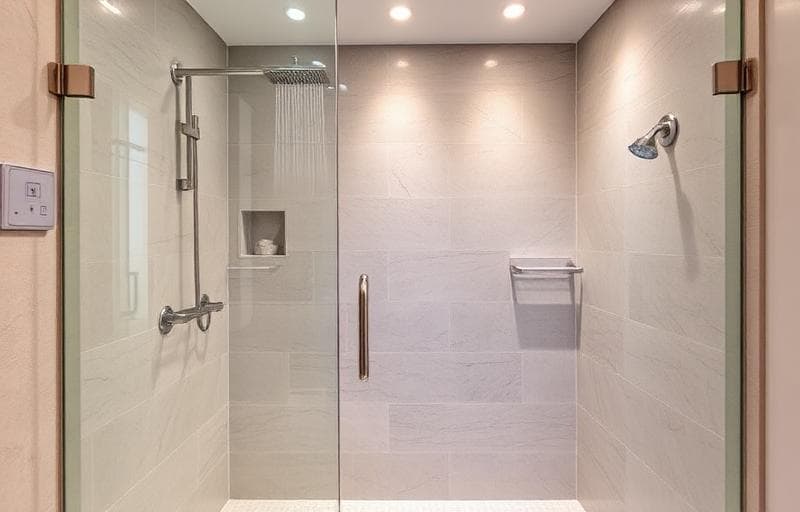
- Frameless glass enclosure
- Updated fixtures and showerhead
- Proper waterproofing membrane
Shower Remodel Option 4: Luxury Custom Shower ($15,000–$30,000+)
For homeowners who want a spa experience at home:
- Rain showerhead with body jets
- Dual shower heads — rain and handheld
- Steam shower capability
- Natural stone or large-format porcelain
- Linear drain with curbless entry
- Built-in bench seating
- LED niche lighting
A luxury shower pairs beautifully with a custom bathroom design for a complete primary suite transformation.
Key Design Decisions for Your Shower Remodel
- Tile size: Large-format tiles (12x24, 24x24) minimize grout lines and feel more modern
- Glass enclosure: Frameless glass maximizes visual space — essential for small bathrooms
- Shower bench: Built-in or fold-down — adds comfort and accessibility
- Niche placement: Eye-level niches are most practical; accent tile in niches adds a design focal point
- Waterproofing: Critical in any shower — we use Schluter or RedGard systems for complete protection
Aging-in-Place Shower Features
If you're planning for long-term accessibility, consider incorporating grab bars, a curbless entry, and a hand-held showerhead. Read our complete aging-in-place bathroom guide for detailed recommendations.
Start Your Shower Remodel
From bathtub replacement to luxury custom builds, ProWorx Restoration delivers exceptional shower installations. Schedule your free consultation to explore options for your bathroom.
Prefabricated, Tiled or Panel
A prefabricated shower unit arrives as a moulded base and walls with few or no seams. It is quick to install, economical and very easy to clean, with the trade-off being limited size and design options.
A tiled shower offers almost unlimited design freedom but depends entirely on waterproofing executed correctly beneath the tile. Solid-surface or composite panel systems sit between the two: a custom look with far fewer grout lines and simpler maintenance than tile.
Waterproofing Is the Whole Job
The single most important thing to understand about a tiled shower is that tile and grout are not waterproof. Water passes through grout routinely. What keeps water out of your framing is the membrane or pan liner beneath, and the quality of its detailing at corners, niches, benches and the drain.
Nearly every failed shower we open up failed at the waterproofing rather than the tile. It is invisible once finished, which is exactly why it is worth asking a contractor specifically how they intend to do it.
Converting a Tub to a Shower
Many Mesa bathrooms contain a standard tub that nobody uses for bathing, and a typical tub alcove provides a good footprint for a comfortable walk-in shower. The conversion usually makes the room feel larger and considerably easier to use, particularly with glass rather than a curtain.
The practical considerations are drain size and position, since showers often need a larger drain than tubs and may require relocating it, which on a slab means cutting concrete. Resale is worth a thought too: if it is the only tub in the house, some buyers with young children will want one.
Curbless and Low-Threshold Entry
A curbless shower has no step at all, which suits walkers and wheelchairs and removes the most common tripping point in a bathroom. Achieving it requires recessing or sloping the floor so water drains correctly rather than spilling into the room.
A linear drain along one wall or at the entry makes this considerably easier, because the floor slopes in a single direction and larger tiles can be used. Done well, a curbless shower reads as a contemporary design choice rather than an adaptation.
Valves: Pressure-Balancing or Thermostatic
The valve controls comfort and safety more than any other shower component. A pressure-balancing valve responds to pressure changes and prevents the sudden temperature swing when a toilet flushes elsewhere in the house. A thermostatic valve maintains a set temperature more precisely and often allows temperature and flow to be controlled separately.
Thermostatic costs more and is worth considering particularly where older people or children use the shower, since sudden hot or cold shocks cause flinching and loss of balance.
Glass, and Arizona Hard Water
Frameless enclosures use thick tempered glass with minimal hardware for a clean, modern look. Semi-frameless uses thinner glass with some framing at lower cost. Framed enclosures are the most economical.
Whatever you choose, Mesa's hard water will attack it. Factory-applied protective coatings help water bead and run off rather than sit and evaporate, and squeegeeing after showering genuinely prevents the etching that eventually becomes permanent. Untreated glass in this water can cloud within a few years.
Benches, Niches and Blocking
Built-in niches replace hanging caddies and look deliberate when aligned with the tile layout, which requires planning before tiling rather than after. A bench provides somewhere to sit, shave or rest, and must be sloped and waterproofed so water drains off rather than pooling.
Even if you do not want grab bars now, install blocking in the walls while they are open. It costs very little and means bars can be added later exactly where needed without reopening anything.
Shower Size and Lighting
Larger showers are more comfortable, but modest increases make a real difference: room to turn around, space to stand outside the main spray while adjusting temperature, and space for a bench. Size should be balanced against the rest of the bathroom so the room still works.
Showers enclosed by walls or opaque glass are frequently dim. A wet-location rated recessed light inside the shower improves visibility and safety considerably and is easy to include during a remodel.
What Drives Cost and Timeline
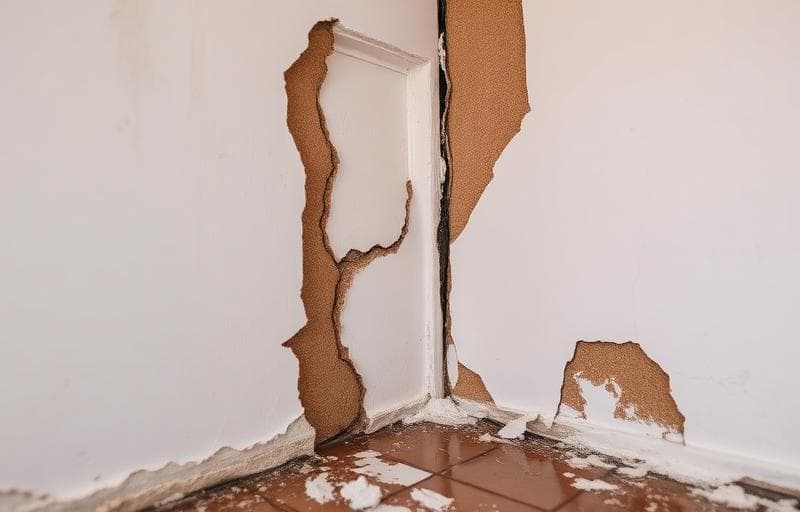
Cost is driven by the system chosen, tile selection and complexity, glass type, whether plumbing moves, accessibility features and whether damage is found once the old shower comes out. Opening a failed shower frequently reveals water-damaged framing or subfloor that must be repaired before rebuilding.
Most shower remodels run one to three weeks. Custom glass is usually measured after tiling is complete, which adds a wait between the tile finishing and the enclosure arriving.
Steam Showers
A steam shower adds a generator that converts the enclosure into a personal steam room, and it is increasingly requested in primary bathroom remodels. It requires a fully enclosed, vapour-tight space, a sloped ceiling so condensation runs down the walls rather than dripping on occupants, upgraded waterproofing and a dedicated electrical supply.
These requirements have to be designed in from the beginning. Converting a conventional shower to a steam shower afterwards is usually impractical, so it is a decision worth making before tiling rather than after.
Rainfall Heads, Handhelds and Body Sprays
Multiple outlets change the plumbing requirements. A rainfall head mounted overhead, a handheld on a slide bar and body sprays each draw water, and running more than one simultaneously requires adequate supply capacity and an appropriate valve and diverter.
A handheld on a slide bar is the most practically useful addition for most households: it can be used seated, adjusted for anyone's height, and makes cleaning the shower itself far easier. Rainfall heads look impressive but deliver gentler pressure, which not everyone prefers.