


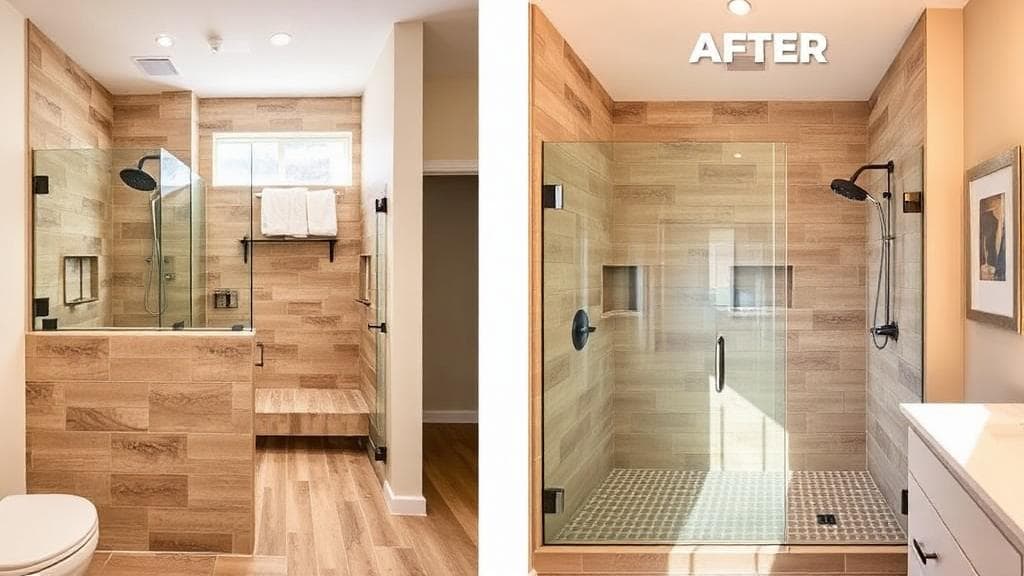
One of the most common questions we hear from Mesa homeowners is: "How long will my bathroom remodel take?" Here's a realistic week-by-week timeline based on hundreds of projects.
Before Construction: Planning Phase (1–3 Weeks)
Before demolition, you'll work with your contractor on design, material selections, and permits. Our free consultation covers design, materials, estimates, and permit applications.
Week 1: Demolition and Rough-In
- Protect surrounding areas with dust barriers
- Remove old tile, fixtures, vanity, and tub/shower
- Inspect subfloor for water damage
- Rough-in plumbing changes
- Update electrical as needed
Week 2: Waterproofing and Tile
- Waterproof membrane installation
- Tile installation on shower walls, floor, and accent areas
- Shower niche, bench, or custom features
- Drywall repair on non-tiled walls
Week 3: Finishing and Installation
- Grout and seal all tile
- Install vanity and countertop
- Set toilet and install fixtures
- Install mirror, medicine cabinet, and lighting
- Paint walls and trim
Week 3–4: Final Details and Walkthrough
- Caulking all joints
- Touch-up paint
- Glass shower door installation
- Final cleaning and client walkthrough
What Can Extend Your Timeline?
- Hidden water damage: Adds 2–5 days for restoration
- Material delays: Custom items can delay 1–2 weeks
- Design changes mid-project: Any changes after demolition add time and cost
Start Your Bathroom Transformation
ProWorx Restoration keeps Mesa bathroom remodels on schedule. Get your free consultation or contact us today.
The Phase Nobody Counts: Planning
Homeowners usually think of a bathroom remodel as the weeks of construction, but the planning phase often takes as long and determines whether construction runs smoothly. Design decisions, material selection, ordering, and permitting where required all happen before anyone picks up a tool.
Tile, vanities, specialty fixtures and custom glass can carry long lead times. Starting construction before materials are in hand is the most reliable way to produce a bathroom that sits unfinished waiting for a delivery.
Week One: Demolition and Rough-In
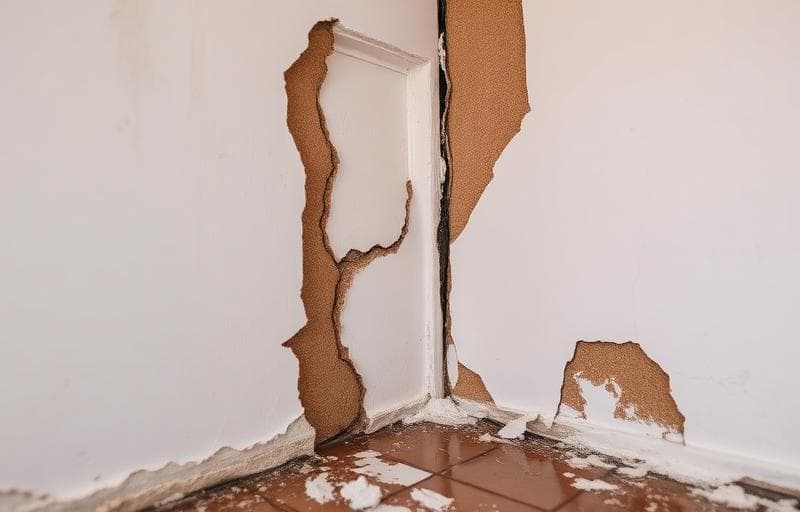
Demolition is fast and dramatic, usually a day or two, and it is when hidden conditions appear. Water damage behind a tub surround, failed waterproofing, deteriorated subfloor beneath a toilet and outdated plumbing are all common discoveries in Mesa bathrooms, particularly in homes built before the 2000s.
Rough-in follows: plumbing and electrical are moved or added, and any framing changes are made. Inspections happen at this stage, before anything is covered, which is exactly when problems are cheapest to fix.
Waterproofing and Why It Cannot Be Rushed
After rough-in comes the step that determines whether the bathroom lasts: waterproofing the wet areas. Tile and grout are not waterproof, and what keeps water out of your framing is the membrane or pan liner beneath, correctly detailed at corners, niches, benches and the drain.
Some systems require curing time before tile can go on, and some require a flood test to verify the pan holds water. These steps are not padding in the schedule; they are the difference between a shower that lasts twenty years and one that fails in three.
Tile Work Takes Longer Than People Expect
Tiling is usually the longest single phase, frequently a week or more depending on the size of the bathroom, the tile format and the complexity of the layout. Mosaic, patterns, niches and curbless detailing all add time.
Tile also has built-in waiting: mortar must cure before grouting, and grout must cure before sealing and before the shower is used. Rushing these produces hollow-sounding tile, cracked grout and sealant that fails early.
Fixtures, Glass and the Final Stretch
With tile complete, the vanity, toilet, fixtures, mirror and lighting are installed, and painting is completed. This phase moves quickly and is the point where the bathroom finally looks finished.
Custom glass is the usual exception. It is measured after tiling is complete, because it must fit the actual installed surfaces rather than the plan, and fabrication then takes time. That gap between a finished-looking bathroom and a usable shower surprises many homeowners, so it is worth knowing about in advance.
Realistic Overall Timelines
A straightforward Mesa bathroom remodel that keeps fixtures in place and uses readily available materials commonly runs two to four weeks of construction. Relocating plumbing, custom tile work, curbless shower construction or a full gut extends that toward six weeks or more.
Add the planning and ordering phase ahead of it, and the honest answer from first conversation to finished bathroom is frequently two to three months. A contractor quoting a fortnight for a full remodel is either omitting something or optimistic.
What Reliably Causes Delay
Four things account for most bathroom delays. Late material selections, because a single missing item stalls the trades behind it. Long lead times on tile, vanities or glass. Hidden damage found during demolition, which must be repaired before work continues. And change orders, which disrupt sequencing and may require undoing completed work.
Three of those four are within the homeowner's control, which is why finalising decisions before demolition is the single most effective thing you can do for the schedule.
Living Without the Bathroom
In a home with two or more bathrooms this is manageable. In a one-bathroom Mesa house it requires genuine planning, and the contractor should discuss how long the only toilet will be out of service and whether it can be kept functional for part of the project.
Agreeing dust containment, working hours and access arrangements before work starts makes the weeks considerably more tolerable, particularly in households with children or anyone working from home.
The Punch List and Signing Off
At the end, walk through with the contractor and list anything needing attention: paint touch-ups, a misaligned door, sealant that needs tidying, hardware adjustment. This punch list is a normal part of the process rather than evidence something went wrong.
Resist the urge to sign off before the list is complete. The time to have small items corrected is while the crew is still mobilised, and a contractor who works through a punch list methodically is telling you how they will respond if something needs attention a year from now.
What Demolition Finds in Older Mesa Bathrooms
In homes built before the 2000s, demolition frequently reveals conditions that change the schedule. Failed caulk and grout at a tub surround often let water into the wall for years, damaging framing and subfloor. Older installations may have inadequate or entirely absent waterproofing behind the tile. Cast-iron drain lines may be at the end of their service life, and galvanized supply lines may be closing up internally.
None of this is bad luck; it is usually why the bathroom needed remodelling. But it does mean a contingency of ten to twenty percent is sensible, and that the schedule should allow for a repair phase between demolition and rough-in rather than assuming a clean run.
How Inspections Fit the Schedule
Where permits are required, inspections happen at defined points and work cannot proceed past them until they pass. Rough plumbing, electrical and mechanical are typically inspected before walls close, and a final inspection follows completion.
Inspectors work to their own calendar, so scheduling matters. A rough-in finished on a Friday afternoon may wait until the following week for inspection, and that gap is part of the real timeline even though no work is happening. A contractor who books inspections promptly rather than at the last moment saves days across a project.
Why Rushing Costs More Than Waiting
The pressure to finish a bathroom quickly is understandable, particularly in a one-bathroom house, but the steps that get compressed are almost always the ones that determine how long the result lasts. Waterproofing that is not given curing time, mortar grouted before it has set, and sealant applied to damp surfaces all fail early and visibly.
A bathroom finished three days sooner but needing its shower rebuilt in four years is a poor trade. The schedule a contractor gives should include the waiting, and a contractor who explains why those pauses exist is giving you useful information rather than making excuses.