



Home Renovation in Glendale, AZ

Whole-home renovations across Glendale — period-appropriate updates and modern reconfiguration.

Serving Glendale & nearby Maricopa County

Get Your Free Home Renovation Estimate

Step 1 of 5Project

What kind of project?

Pick the option that fits best — you can add details next.

Quick Answer

ProWorx Restoration executes whole-home renovations across Glendale, AZ — covering 1960s slump-block homes in central Glendale through 2000s+ tract homes in Arrowhead Ranch. Typical projects run $80,000–$240,000+ over 8–16 weeks with Glendale Development Services permitting.

1,200+

Projects Completed

15+

Years Experience

ROC #349454

Licensed & Insured

100%

Satisfaction Guaranteed

Home Renovation Built for Glendale Homes
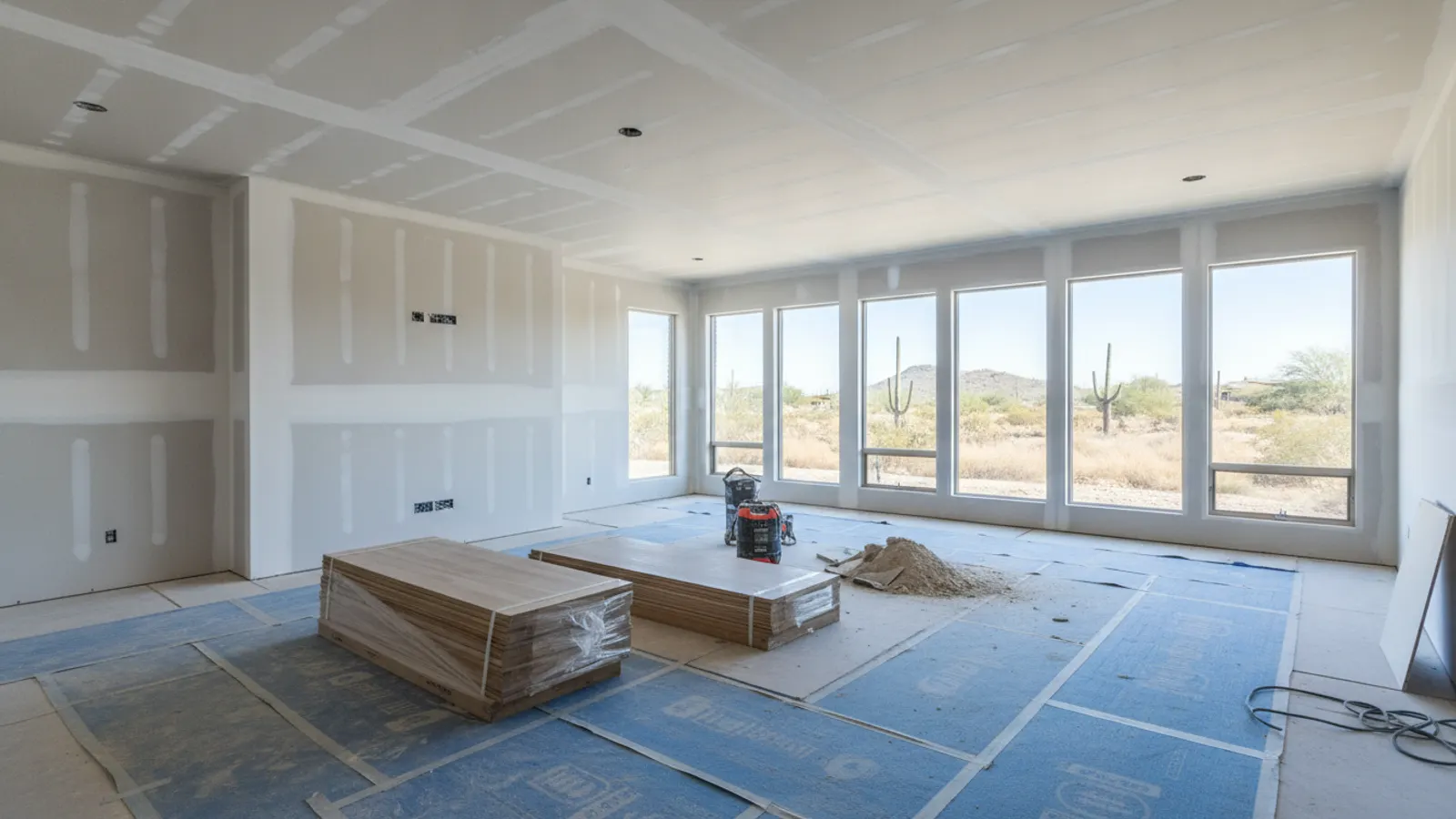
Whole-home renovation in progress with new drywall and protected floors in a Glendale, Arizona home
Glendale's housing mix spans 1960s slump-block ranches near downtown through 2000s+ tract builds in Arrowhead Ranch. Older homes typically need plumbing repipe, panel upgrade, and HVAC sizing rework; newer homes focus on finish and layout updates.
Slump-block construction (common in central Glendale) requires specific anchoring, sleeve, and patching techniques during renovation — we adapt our subs and scope accordingly.
Glendale Development Services issues interior reconfiguration permits in 2–3 weeks; structural work adds engineering review.

Why Glendale Home Renovation Is Different

Central Glendale slump-block homes need experienced masonry trades for any wall modification or anchor work.
Arrowhead Ranch homes often have Poly-B plumbing — replacement during renovation is standard.

Recent Home Renovation Projects in Glendale

Arrowhead Ranch

1998 home whole-renovation: open kitchen, 3 baths, primary suite expansion, LVP throughout, HVAC zone redesign

$225K15 weeks

Downtown Glendale

1965 slump-block ranch: kitchen, 2 baths, slump-block wall reconfiguration, PEX repipe, panel upgrade, refinished floors

$185K14 weeks

Westgate

2005 townhome refresh: kitchen, 2 baths, LVP, paint, custom built-ins

$115K10 weeks

Home Renovation in Glendale: Fast Facts

Slump-block homes drive roughly 30% of Glendale renovation volume.

Average Glendale whole-home renovation: $120,000–$240,000.

Poly-B replacement: standard on 1990s Glendale homes.

Masonry trades on staff for slump-block work.

Same-day intake; permit pull in 2–3 weeks.

Typical Cost

$40,000 – $200,000+

Typical Timeline

8 – 20 weeks

Permit Lead Time

2–4 weeks

How We Approach Home Renovation

ProWorx Restoration provides comprehensive home renovation services throughout Arizona. We update and modernize your home while preserving its character and charm.

Whole-home renovation

Room-by-room updates

Modern finishes and fixtures

Energy efficiency upgrades

Structural improvements

What Glendale Homeowners Should Know About Home Renovation

Design-Build for Whole-Home Projects

Whole-home renovations benefit from a design-build approach, in which design and construction are coordinated by one team. Construction costs can be estimated as the design develops, preventing plans that exceed the budget, and construction knowledge informs design decisions early, which reduces surprises once work begins.

Consistency Throughout the House

Renovating the whole home allows finishes to be coordinated throughout. Consistent flooring, trim, doors, hardware and paint create a cohesive look and make the home feel larger and more deliberate. Planning these selections together at the start is easier than matching them room by room over several years.

Restoring Interiors in Older Homes

Older homes often have interior finishes that cannot easily be replaced with modern equivalents, including solid-wood doors, plaster walls, original hardware, decorative mouldings and hardwood floors. Restoring these elements rather than replacing them preserves the craftsmanship and character that make older homes distinctive. Skilled restoration can repair decades of wear while keeping the original materials, which often outperform modern replacements in durability and appearance.

Staying Informed During Construction

Knowing what is happening on your project reduces stress and prevents misunderstandings. Regular updates on progress, upcoming work, decisions needed and any issues help homeowners stay informed. Clear lines of communication make it easier to address questions quickly.

Deciding Which Room to Remodel First

When several rooms need work, it helps to prioritise by function, condition and budget. Rooms with safety issues or failing systems should come first, followed by spaces used most often, such as kitchens and bathrooms. If you plan to sell, focus on improvements buyers value most. If you plan to stay, prioritise the rooms that will most improve your daily life.

Restoring Ceilings

Ceilings can suffer from water stains, cracks, sagging and damaged texture. Repairs range from stain-blocking primer and repainting to replacing damaged sections and matching texture. In older homes, ceiling texture may need testing for asbestos before it is disturbed. Restoring ceilings properly ensures repairs are invisible and the room looks complete.

Interior Repairs After Smoke Damage

After a fire, interior restoration includes cleaning or replacing smoke-damaged surfaces, sealing odours, repainting and restoring finishes. Soft materials and porous surfaces that cannot be cleaned are replaced. Thorough restoration removes lingering odours and returns interiors to a livable condition.

The Final Walkthrough

At the end of a renovation, a thorough walkthrough identifies any remaining items, from paint touch-ups to adjustments to doors and cabinets. These are recorded on a punch list and completed before the project is closed out.

The Punch List

Near the end of a remodel, the homeowner and contractor walk through the completed work and list any remaining items that need attention, such as paint touch-ups, minor adjustments or missing trim. Completing this punch list carefully ensures the project is truly finished.

Our Interior Restoration Process in Arizona

We open with scope walk and photo documentation, especially on insurance work. For water and mold scope we verify moisture levels are dry and pass post-remediation criteria before reconstruction. Drywall is replaced in full sheets where damage warrants, then taped, floated, primed, and textured to match — orange-peel and knockdown matched with calibrated texture guns, not roller-stipple. Paint is sprayed wall-to-corner when possible to avoid roller-stipple mismatch. Flooring, trim, and fixtures follow, then a punch walk with the homeowner or adjuster. Single-room scope: 1–2 weeks. Whole-home: 4–10 weeks depending on extent.

Asbestos in Older Homes

Older homes may contain asbestos in materials such as popcorn ceiling texture, some flooring and its adhesive, insulation and certain siding. Asbestos is generally not harmful when left undisturbed, but renovation can release fibres. Suspect materials should be tested before demolition, and any asbestos should be handled by qualified professionals.

What Interior Restoration Involves

Interior restoration repairs and returns interior spaces to good condition after damage, wear or neglect. It can include repairing drywall and plaster, restoring trim and millwork, refinishing floors, repairing cabinetry, repainting and replacing damaged fixtures. The goal is to bring interiors back to their original condition or better, while preserving features worth keeping.

Combining Projects for Efficiency

Undertaking several remodelling projects at once can save money and time compared with doing them separately. Shared tasks such as permits, dust protection, mobilisation and trades visits are handled once, and finishes can be coordinated throughout the house. Combining projects may increase the initial cost but often reduces the overall expense.

Building a Realistic Contingency

Even well-planned renovations encounter surprises, especially in older homes. Hidden water damage, outdated wiring, structural issues or code requirements discovered after walls are opened can increase costs. Setting aside a contingency, commonly ten to twenty percent of the construction budget, provides a cushion for these unknowns without derailing the project.

Small Remodels Still Need a Plan

Even small projects benefit from planning. Confirming measurements, selecting materials in advance, checking that existing systems can support the change and understanding any permit requirements prevents small jobs from growing into larger problems.

Renovating for Yourself or for Resale

If you plan to sell within a few years, it is usually wise to choose neutral finishes and focus on improvements buyers value, such as updated kitchens and bathrooms, modern systems and good condition throughout. If you plan to stay for many years, you can prioritise features you will personally enjoy, even if they are less universally appealing.

Our Proven Process

01

Free Consultation

We visit your property, discuss your goals, and provide a detailed, no-obligation estimate.

02

Custom Plan

Our team creates a tailored project plan with timeline, materials, and transparent pricing.

03

Expert Execution

Licensed craftsmen complete your project with quality materials and meticulous attention to detail.

04

Final Walkthrough

We inspect every detail with you and ensure complete satisfaction before the job is done.

"ProWorx renovated our 1965 slump-block ranch — opened the kitchen, replaced the plumbing, and the masonry work matched the original perfectly."

ProWorx Client · Glendale

Neighborhoods We Serve in Glendale

Arrowhead Ranch · Westgate · Downtown Glendale · Cholla · Sahuaro · Yucca · Barrel

Home Renovation FAQs for Glendale Homeowners

Ready to Start Your Glendale Home Renovation Project?

Get a free, no-obligation estimate from a licensed Arizona contractor — ROC #349454.