



A successful home renovation starts with a clear, realistic budget. Whether you're planning a kitchen remodel, bathroom upgrade, or full home renovation, knowing what to expect financially prevents surprises and keeps your project on track.
Why Budgeting Matters for Mesa Homeowners
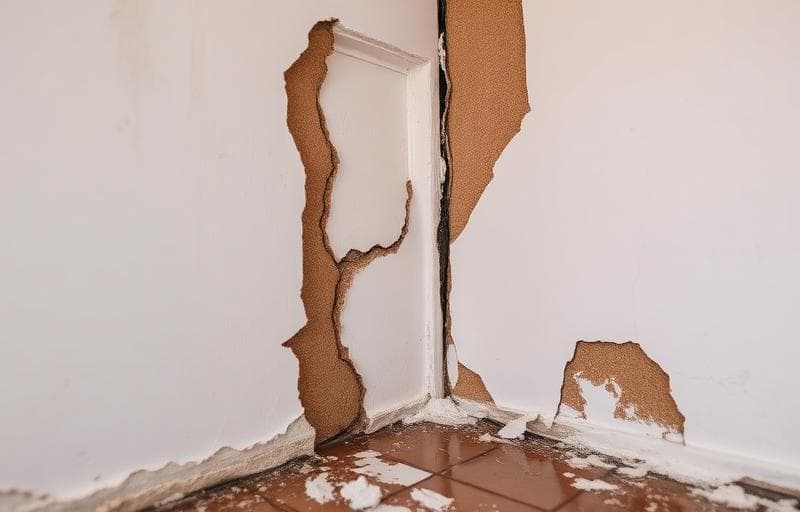
Arizona's construction market has unique cost factors — from desert climate considerations to local permit requirements. A well-planned budget accounts for Mesa-specific variables like stucco repair costs, cooling system upgrades, and monsoon-proofing materials.
Without a budget, projects can quickly spiral. Studies show that homeowners who skip detailed budgeting overspend by 20–30% on average.
Step 1: Define Your Renovation Scope
Before talking numbers, clarify exactly what you want done. Are you doing a cosmetic refresh or a structural overhaul? The scope directly determines your budget range.
- Cosmetic updates: Paint, fixtures, hardware — typically $5,000–$15,000
- Mid-range remodel: New countertops, cabinets, flooring — $20,000–$50,000
- Major renovation: Structural changes, additions, full gut — $50,000–$150,000+
Step 2: Get Multiple Estimates
Always get at least three written estimates from licensed contractors. In Mesa, verify that your contractor holds a valid Arizona ROC license — this protects you legally and financially.
A reputable general contractor will provide a detailed line-item estimate, not just a lump sum.
Step 3: Build in a Contingency Fund
Industry experts recommend setting aside 10–20% of your total budget for unexpected costs. In older Mesa homes, hidden issues like outdated wiring, plumbing problems, or termite damage are common discoveries during demolition.
Step 4: Prioritize High-ROI Improvements
If you're renovating with resale value in mind, focus your budget on the areas that deliver the highest return on investment:
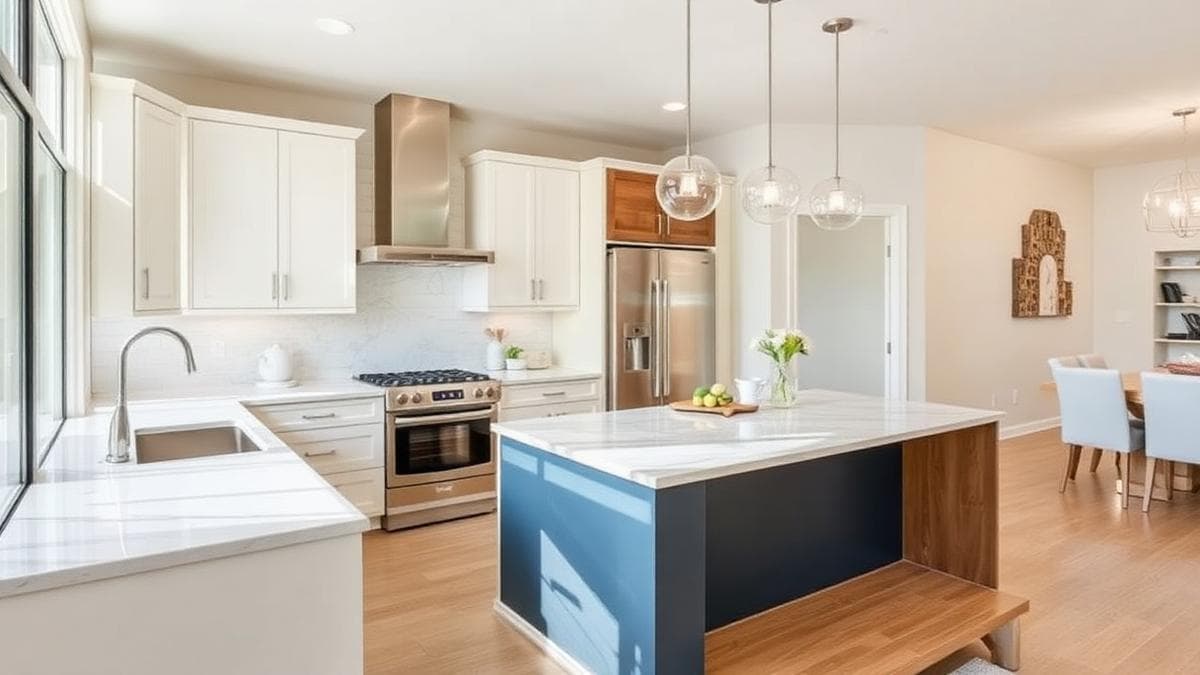
- Kitchen remodel: 60–80% ROI
- Bathroom remodel: 55–70% ROI
- Home additions: 50–65% ROI
- Exterior painting: 50–60% ROI
Step 5: Understand Payment Schedules
Most contractors work on a milestone payment schedule — a deposit upfront, payments at key completion stages, and a final payment at walkthrough. Never pay 100% upfront.
Ready to Start Planning?
ProWorx Restoration offers free consultations with detailed written estimates for every project. We'll help you understand the real costs and create a renovation plan that fits your budget. Contact us today to get started.
Start With What You Can Actually Spend
Budget planning works better from the top down than the bottom up. Decide what you can comfortably spend, including a contingency, before deciding what you want to do. Working the other way produces a wish list that has to be painfully dismantled later.
Consider how long you intend to stay, since that affects whether this is an investment or a lifestyle purchase, and be realistic about what disruption your household can tolerate alongside the financial cost.
Build in a Real Contingency
A contingency of ten to twenty percent of the construction budget is not pessimism; it is planning. Renovations, particularly in older Mesa homes, routinely uncover conditions nobody could see during estimating: outdated wiring, hidden water damage, failing plumbing, or code requirements triggered by the work.
Treat the contingency as spent until proven otherwise. A project planned to the last dollar with no reserve is a project that will stall or be compromised the first time something unexpected appears.
Where Mesa Renovation Money Actually Goes
In most projects, labour represents a larger share than homeowners expect, frequently approaching half the total. Materials follow, then permits, design and engineering where required, and equipment or disposal.
Within materials, the items that move a budget most are cabinetry, countertops, appliances, flooring and windows. Light fixtures, hardware and paint are comparatively small and are good places to economise, because they are also easy to upgrade later.
Budget by the Era of Your House
A useful Mesa-specific rule is to let the build decade set your expectations. Pre-1960 homes commonly need electrical, plumbing and insulation work before finishes matter. The 1970s and 80s stock typically needs water heaters, HVAC, roofing and galvanized supply lines addressed together.
Homes from the 1990s and 2000s are usually sound with builder-grade components reaching end of life. The newest construction mostly needs personalisation rather than repair. Matching the budget to the era prevents the most common shock.
Systems Before Finishes
If the budget will not stretch to everything, spend it behind the walls rather than on them. Electrical capacity, plumbing, HVAC, insulation and the roof all determine whether a house is comfortable and safe, and all are far more expensive to address after finishes are installed.
Beautiful cabinetry installed over failing plumbing is money spent in the wrong order. Finishes can be upgraded later; systems cannot easily be, because reaching them means undoing the finishes.
Allowances and How Budgets Drift
Contracts frequently include allowances for flooring, tile, fixtures, appliances and lighting: budgeted placeholders rather than fixed prices. Selections above the allowance increase the contract, and this is the single most common reason budgets drift.
Ask what level of finish each allowance actually buys, with examples you can look at. An allowance that sounds generous in the abstract may buy something you would not choose, and discovering that during selections is how projects grow.
Change Orders
Changes made after work begins are expensive, because they disrupt sequencing, may require undoing completed work, and often mean reordering materials. Some are unavoidable when hidden conditions appear. Many are not, and result from decisions made late.
Finalising design and selections before demolition starts is the most effective cost control available to a homeowner. Every change order should be documented in writing with its cost agreed before the work proceeds.
Getting Comparable Estimates
Collect several estimates, but compare them properly. They are only comparable when they cover the same scope and specification, and an itemised quote naming materials and allowances makes differences visible.
A bid significantly below the others usually indicates excluded work, lower specification or optimistic allowances rather than better value. Asking each contractor what their bid excludes is frequently more revealing than asking what it includes.
Phasing When the Budget Will Not Stretch
If the full scope is unaffordable, phasing is often better than compromising quality throughout. Complete one room properly rather than several poorly, and sequence phases so later work does not damage earlier work.
Systems work should come first in any phased plan, since it is the most disruptive to retrofit. A contractor can help identify which items must happen together and which can genuinely wait a year or two.
Paying for the Work
Most Mesa homeowners fund renovations through savings, a home equity line of credit, a home equity loan, a cash-out refinance or contractor financing. Each has different costs and risks, and the right choice depends on how much equity you hold, current rates and how quickly you intend to repay.
Whatever the source, avoid committing every available dollar to the contract. A renovation that exhausts your reserves leaves nothing for the contingency, and a project that stalls partway through is considerably more expensive than one that proceeds steadily to completion.
Budgeting the Things People Forget
Several real costs sit outside the construction contract and routinely surprise homeowners. Temporary accommodation or more meals out while a kitchen is unusable. Storage for furniture. Replacing window coverings that no longer fit new windows. Restoring landscaping disturbed by the work.
Then there is the furnishing gap: a beautifully renovated room frequently makes existing furniture look tired, and that is a real cost even though nobody plans for it. Allowing something for these items produces a budget that survives contact with the project.
Tracking the Budget as You Go
Keep a running record of the contract value, every approved change order, and what has actually been paid. Projects rarely go over budget in one dramatic moment; they drift through a series of small approved changes that nobody totalled. Reviewing the running figure at each payment keeps that drift visible while there is still time to decide about it.