



Odor Removal in Avondale, AZ

Smoke, pet, and sewage odor removal across Avondale — source-first, documented.

Serving Avondale & nearby Maricopa County

Get Your Free Odor Removal Estimate

Step 1 of 5Project

What kind of project?

Pick the option that fits best — you can add details next.

Quick Answer: Odor Removal in Avondale

ProWorx Restoration provides odor removal throughout Avondale, AZ. Most Avondale odor jobs trace to pet-rental turnovers, kitchen-fire smoke in two-story tract homes, and dust-and-mildew odor after haboob events. Typical projects run $600–$7,500 and 1–7 days.

1,200+

Projects Completed

15+

Years Experience

ROC #349454

Licensed & Insured

100%

Satisfaction Guaranteed

Odor Removal Built for Avondale Homes
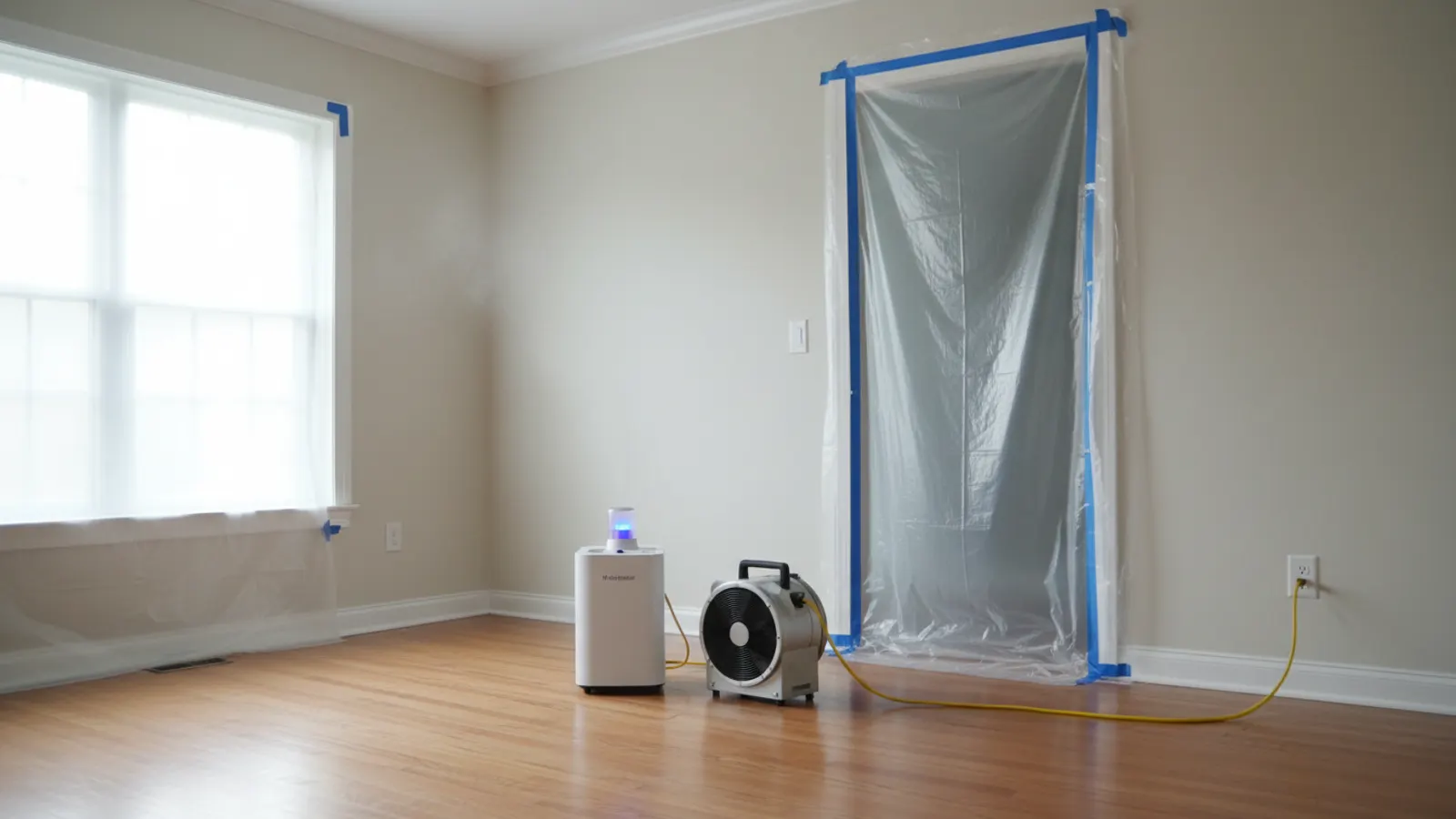
Odor removal treatment with a hydroxyl generator and air scrubber running in a sealed room in a Avondale, Arizona home
Avondale's housing mix — Garden Lakes, Rancho Santa Fe, Coldwater Springs, Donatela, Crystal Gardens — is predominantly post-1995 family-rental and owner-occupied tract homes. Pet-rental turnovers, kitchen-fire smoke (mostly two-story vertical migration), and haboob dust + monsoon humidity musty-HVAC odor jobs make up the bulk of our Avondale work.
PIR (Phoenix Raceway) event weekends generate occasional party-damage rental turnovers near the track.
Single crew, source remediation, HVAC line + coil cleaning, hydroxyl/ozone, repaint with odor-blocking primer.

Why Avondale Odor Removal Is Different

Avondale's West Valley location takes regular haboob dust hits; HVAC coil treatment is part of every post-storm odor job.
City of Avondale same-day emergency repair permits.

Recent Odor Removal Projects in Avondale

Garden Lakes

Two-story kitchen-fire smoke vertical migration: drywall + insulation removal, HVAC full clean, thermal fog, two-story repaint

$10K12 days

Rancho Santa Fe

Pet-urine rental turnover (dogs, 5 years): subfloor sealing, tack-strip + pad replacement, ozone, repaint

$3K4 days

Coldwater Springs

Post-haboob dust + monsoon mildew odor: HVAC coil + line clean, filter replacement, hydroxyl, targeted drywall remediation

$3.2K4 days

Odor Removal in Avondale: Fast Facts

Pet-rental turnover jobs: ~40% of Avondale odor volume.

Post-haboob dust + mildew jobs: peak July–September.

Two-story vertical-column smoke jobs: ~25% of Avondale volume.

PIR event-weekend turn jobs: spike with race weekends.

Same-day emergency permits.

Typical Cost

$500 – $15,000+

Typical Timeline

1 day – 2 weeks

Permit Lead Time

2–4 weeks

What Avondale Homeowners Should Know About Odor Removal

Every Odour Has a Source

Lasting odour removal starts with finding what is producing the smell. Odours are carried by tiny particles and gases released from a source, whether that is smoke residue, pet urine, mould, decomposition, sewage or spoiled food. Until that source is removed or neutralised, any improvement is temporary. Air fresheners and fragrances only layer a stronger smell over the original, which usually returns as soon as they fade.

Our Fire Cleanup & Repair Process

Every job follows a proven sequence: (1) emergency board-up and water extraction from firefighting efforts; (2) damage assessment with photos for your insurance claim; (3) debris removal and demolition of unsalvageable materials; (4) soot and residue cleaning using the right method for each surface; (5) deodorization with thermal fog or ozone; (6) structural repair, drywall, paint, and finish work. You get one project manager from start to finish.

Dry Sponges, HEPA Vacuums and Wet Cleaning

Professional soot removal uses a sequence of techniques chosen for each surface and type of residue. Dry chemical sponges lift loose dry soot from walls and ceilings without spreading it. HEPA vacuums capture fine particles from surfaces and textures without releasing them back into the air. Once loose residue is removed, appropriate cleaning solutions are used on surfaces that can tolerate wet cleaning. Cleaning progresses from the least aggressive method to the most aggressive, so finishes are not damaged unnecessarily.

Hydroxyl Generators

Hydroxyl generators produce hydroxyl radicals that break down odour molecules in the air and on surfaces. They work more slowly than some alternatives, but they can generally operate safely while people, pets and plants are present, which makes them practical for occupied homes and sensitive environments. They are often used over several days to treat residual odour once the main source has been removed.

Odours From Hidden Moisture

A persistent musty or earthy smell often signals moisture and microbial growth hidden inside walls, under flooring or in the attic. In these cases, odour removal is really moisture remediation: the water source must be found and fixed, damp materials dried or removed, and any mould addressed. Treating the smell without fixing the moisture guarantees its return.

Common Sources of Persistent Odour

The odours we are most often asked to remove come from a handful of sources: smoke from house fires, cooking or long-term indoor smoking; pet urine soaked into carpet pad, subfloor or concrete; mould and mildew from hidden moisture; sewage from backups or failed drain lines; and decomposition from rodents or other animals inside walls or attics. Each requires a different approach, which is why identifying the source comes first.

Pet Odour in Subfloors and Slabs

Pet urine rarely stays in the carpet. It soaks through the pad into the subfloor or onto the concrete slab, where it can persist for years and reactivate whenever humidity rises. Replacing carpet alone often fails for this reason. Effective treatment means locating affected areas, often with ultraviolet light, treating or sealing the subfloor or slab, and replacing contaminated pad before new flooring goes down.

Cleaning Affected Surfaces

Hard surfaces such as walls, ceilings, cabinets and trim can hold odour-causing residue, particularly after smoke exposure. Thorough cleaning with products suited to the type of residue removes much of the odour source. Cleaning should extend to areas that are easy to overlook, including the insides of cabinets and closets, light fixtures, window tracks and the tops of door frames.

Why You Should Never Wipe Soot

One of the most common mistakes after a fire is trying to wipe soot away with a wet cloth or household cleaner. Many types of soot smear when wet, pushing the residue deeper into porous surfaces such as painted drywall, ceiling texture and unfinished wood, which can make staining permanent. Effective soot removal usually begins with dry methods, such as specialised dry-cleaning sponges and vacuuming with HEPA-filtered equipment, before any wet cleaning is attempted. If you are unsure, leave the surface alone until it can be assessed properly.

Materials & Cleaning Standards

We use IICRC-recommended products: dry chemical sponges for dry soot on porous surfaces, alkaline cleaners for protein fires (kitchen grease), solvent-based cleaners for synthetic soot, and hydroxyl or ozone generators for odor neutralization. All work is documented for your insurance file, and structural repairs meet current building code through the proper city jurisdiction.

What to Remove Instead of Clean

Some materials cannot be restored effectively and must be removed. Insulation exposed to smoke, heavily charred wood, drywall that is burned or saturated with water, carpeting and padding that have absorbed significant smoke or water, and items that have deformed or melted generally need replacement. Removing them, rather than attempting to clean them, prevents lingering odour and ensures repairs are sound. We explain what needs to be removed and why before the work begins.

Sealing Remaining Odour

When residual odour remains locked inside structural surfaces such as framing or subfloor after cleaning, specialised sealing primers can encapsulate it so it cannot escape. Sealing is a final step rather than a substitute for removal and cleaning. Painting over odour-affected surfaces with ordinary paint usually allows the smell to bleed back through.

Sealing Before Repainting

Even after thorough cleaning, some smoke odour and staining can remain locked inside porous materials. Painting directly over them with ordinary paint often allows stains to bleed through and odour to return. A specialised odour-sealing primer, typically shellac-based, creates a barrier that locks in residual odour and prevents stains from reappearing. Applying the correct primer before repainting is an important step toward a lasting result.

Removing Contaminated Materials

Some materials absorb odour so deeply that cleaning cannot reach it. Carpet pad saturated with pet urine, insulation exposed to smoke, drywall affected by sewage and porous items that have absorbed strong odours are usually removed rather than treated. Taking out the most contaminated material first makes every later treatment far more effective and is often the single biggest step in eliminating a stubborn smell.

How Our Odor Removal Process Works in Avondale

01

Free On-Site Consultation

We visit your property, discuss your goals, and provide a detailed, no-obligation estimate.

02

Custom Project Plan

Our team creates a tailored project plan with timeline, materials, and transparent pricing.

03

Licensed Crews On Site

Licensed craftsmen complete your project with quality materials and meticulous attention to detail.

04

Final Walkthrough & Sign-Off

We inspect every detail with you and ensure complete satisfaction before the job is done.

"Inherited pet damage in our Rancho Santa Fe rental. ProWorx turned it in 4 days — sealed, ozoned, painted. Leased it the same week."

ProWorx Client · Avondale

Neighborhoods We Serve in Avondale

Garden Lakes · Rancho Santa Fe · Coldwater Springs · Donatela · Crystal Gardens · Alamar

Odor Removal FAQs for Avondale Homeowners

Ready to Start Your Avondale Odor Removal Project?

Get a free, no-obligation estimate from a licensed Arizona contractor — ROC #349454.