


An uninsulated or under-insulated attic is the single biggest energy drain in an Arizona home. On a 115°F July afternoon, attic air can reach 160°F, and that heat radiates straight through your ceiling all night long — which is why your AC runs nonstop. This 2026 guide covers the R-values that matter, what upgrades actually move the needle on your bill, and what a full attic insulation job costs in the Phoenix metro.
Why Attic Insulation Matters More in Arizona
In cold climates, insulation keeps heat in. In Arizona, the job is reversed: you're keeping 160°F attic heat out of a 75°F living space. That's a 85°F temperature differential pushing down through your ceiling. The Department of Energy recommends R-49 to R-60 for Phoenix's climate zone, but most homes built before 2010 sit at R-19 to R-30 — half of what they should be.
Recommended R-Values for Phoenix (2026)
- Minimum (code for new construction): R-38
- Recommended (DOE Zone 2): R-49 to R-60
- Optimal for older homes: R-49 insulation + radiant barrier + air sealing
Going above R-60 has diminishing returns in Phoenix's climate; the bigger wins come from air sealing and a radiant barrier, not just piling on more fiberglass.
The Three Upgrades That Actually Lower Your Bill
1. Air Sealing (Do This First)
Before adding insulation, seal the gaps where conditioned air escapes into the attic: plumbing penetrations, electrical boxes, recessed light fixtures, and the attic hatch. A typical Phoenix home has 30–50 of these leaks. Air sealing alone can cut cooling costs 10–15%. Cost: $600–$1,500 depending on home size.
2. Radiant Barrier
A foil radiant barrier stapled to the underside of rafters reflects up to 97% of radiant heat back out of the attic. In Phoenix, this is the single highest-ROI upgrade — it can drop attic temps 15–30°F and cut AC runtime significantly. Cost: $1,200–$2,500. Pair it with proper attic ventilation for the full effect.
3. Insulation Top-Up or Replacement
If your current insulation is R-30 or below, topping up to R-49 with blown-in fiberglass or cellulose is worthwhile. If the existing insulation is compacted, water-stained, or rodent-contaminated, remove it entirely and start fresh. A full tear-out and re-insulation costs $2,500–$5,500 for a 2,000 sq ft home; a top-up runs $1,200–$2,200.
Blown Fiberglass vs. Cellulose vs. Spray Foam
- Blown fiberglass: Most common in Phoenix. Doesn't settle as fast, moisture-resistant, $1.00–$1.50/sq ft installed.
- Cellulose: Higher R-value per inch, denser, but can settle and hold moisture. Better in mixed climates than pure desert.
- Closed-cell spray foam (roof deck): Conditions the attic, eliminates venting, highest performance — but $3.50–$5.50/sq ft. Worth it only if you're also replacing the roof or doing a major home renovation.
Signs Your Attic Insulation Needs Replacing
- Uneven or missing coverage, especially over bathrooms and additions
- Dusty, gray, or water-stained insulation (often from an old roof leak — see our monsoon roof leak guide)
- Second-floor rooms that stay 5–10° hotter than the ground floor
- AC runs continuously on 110°+ days without keeping up
- Insulation that's been there 20+ years and has compacted below R-25
Realistic Energy Savings
Combined air sealing + radiant barrier + R-49 insulation on a typical Phoenix home can cut cooling costs 20–35%. On a $350 July APS/SRP bill, that's $70–$120/month during the four peak months — a payback of 2–4 years on a mid-range job. The comfort improvement (upstairs bedrooms finally cooling down) is usually the bigger win for families.
What About Rebates and Tax Credits?
The federal Energy Efficient Home Improvement Credit covers 30% of insulation and air sealing costs, up to $1,200/year. APS and SRP have run attic insulation rebates intermittently — check current offerings before scheduling. We'll document the work so you can claim both.
Bundling With Other Work
If you're already doing a roof replacement, kitchen, or home addition, add insulation work to the same mobilization — you save on labor and get a coordinated result. ProWorx handles insulation, drywall, and drywall repair under one roof so there's no finger-pointing if a future issue shows up.
Get a Free Attic Assessment
We measure your current R-value, check for air leaks and moisture, and give you a clear upgrade plan with realistic savings. Book a free attic assessment across the Phoenix metro — most inspections take under an hour and you'll know exactly what your home needs.
Why the Attic Is the Priority in Arizona
In a Phoenix-area summer, attic temperatures routinely climb far above outdoor air temperature. Sun beats on the roof for most of the day, the roof assembly absorbs and re-radiates that heat, and the attic becomes the hottest part of the house by a wide margin. Everything below it, including your ceiling, your ductwork and your air handler, sits beneath that heat load.
That is why attic insulation returns more per dollar here than almost any other efficiency upgrade. In colder climates, walls and windows carry more of the load. In the desert, the roof is where the heat comes from, and the attic is the barrier between it and the rooms you are paying to cool.
How Much Insulation Is Enough
Insulation is rated by R-value, which measures resistance to heat flow. Homes built decades ago often have far less than current recommendations, and insulation settles and compresses over time, losing effectiveness even where it was adequate originally. A quick check with a tape measure in the attic tells you a great deal.
Adding insulation over existing material is usually straightforward, provided the existing layer is dry and in good condition. Where insulation has been wet, contaminated by pests or damaged by previous work, it is better removed before new material goes in, because insulating over a compromised layer locks the problem in place.
Air Sealing Comes First
Insulation slows heat moving through materials, but it does not stop air moving through gaps. Recessed light fixtures, plumbing and wiring penetrations, the gap around the attic hatch, and the top plates of interior walls all let conditioned air escape upward and hot attic air pour down. Insulation laid over an unsealed ceiling is working against a leak it cannot close.
Sealing those penetrations before adding insulation is the step most often skipped, and it is the one that makes the insulation perform as rated. It is also inexpensive relative to the material cost of the insulation itself.
Blown-In, Batts or Spray Foam
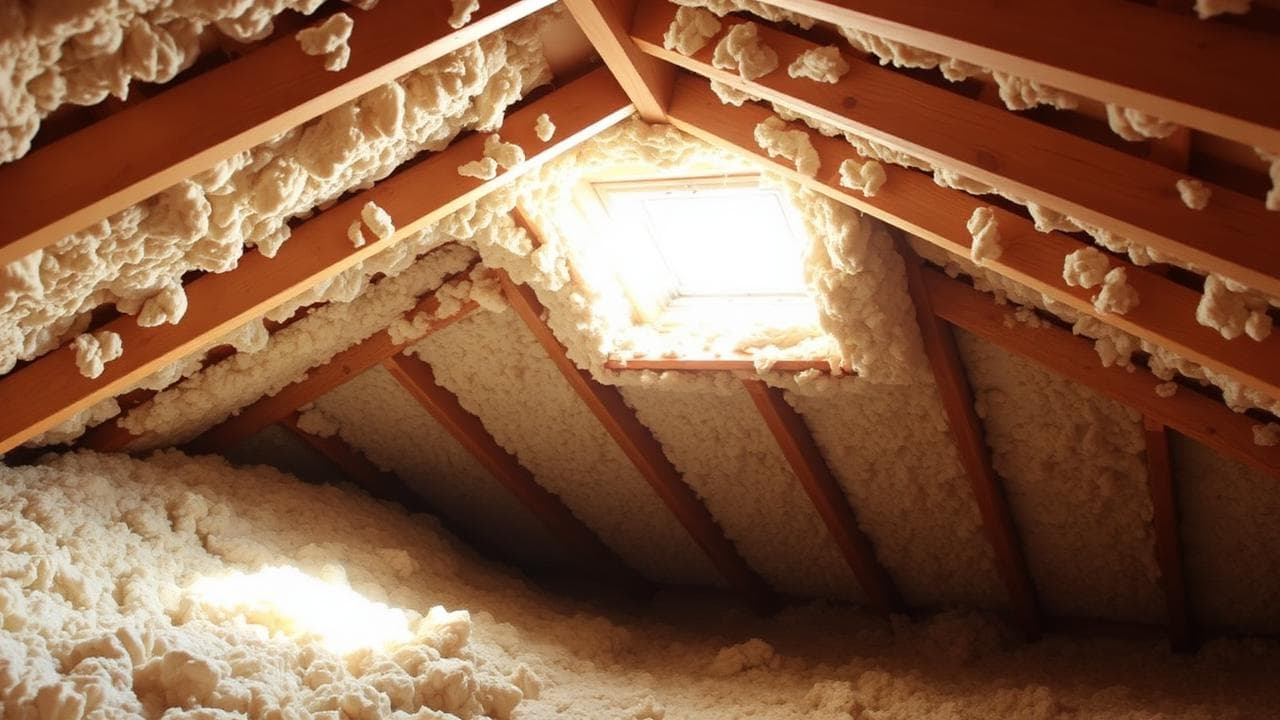
Blown-in loose-fill insulation, usually fibreglass or cellulose, flows around framing, wiring and obstructions and is the most common choice for topping up an existing attic. Batts are easier to install in open, regular joist bays but leave gaps wherever they are cut around obstructions. Spray foam both insulates and air-seals, and can be applied to the roof deck to bring the attic inside the conditioned envelope, but it costs considerably more and changes how the attic must be ventilated.
For most Arizona homes topping up an existing attic, blown-in insulation over properly sealed penetrations gives the best result per dollar.
Ventilation and Radiant Barriers
Attic ventilation lets hot air escape rather than accumulate, and it must be preserved when insulation is added. Blocking soffit vents with loose-fill insulation is a common and costly mistake; baffles keep the airflow path open at the eaves.
Radiant barriers, which are reflective surfaces installed under the roof deck, reduce radiant heat transfer into the attic and work well in hot, sunny climates like Arizona's. They complement insulation rather than replacing it, since they address radiant heat while insulation addresses conductive heat.
Do Not Forget the Ductwork
In most Arizona homes the air-conditioning ducts run through the attic, which means cooled air travels through the hottest space in the building. Ducts that are poorly insulated or leaking lose a significant share of the cooling you have already paid for, and leaking return ducts actively pull superheated attic air into the system.
Sealing duct joints and insulating duct runs is often more valuable than adding another few inches of ceiling insulation, and the two are best addressed together while someone is already working in the attic.
What to Expect From the Work
A straightforward attic insulation upgrade is usually completed in a day. Access is through the existing attic hatch, material is blown in through a hose, and depth markers are left so the result can be verified. Before work starts, the attic should be inspected for signs of roof leaks, pest activity, exposed wiring problems and blocked ventilation, since insulation makes all of those harder to reach afterwards.
The result is not only a lower summer electricity bill. Rooms become more even in temperature, the air conditioner cycles less and runs for shorter periods, and the whole system experiences less wear across the months when it runs almost continuously.
What It Costs and What It Returns
Attic insulation is among the least expensive improvements available to an Arizona homeowner, and among the fastest to pay for itself. Cost depends on the square footage of the attic, how much insulation already exists, whether old material has to be removed, and how much air sealing the ceiling plane needs first.
The return shows up every month from roughly May to October, when air conditioning dominates the electricity bill. Because the summer here is both long and extreme, the payback period tends to be considerably shorter than the same upgrade would deliver in a milder climate. Comfort improves immediately, which is harder to put a number on but easy to notice in the rooms that were always too warm.
Signs Your Attic Insulation Is Not Doing Its Job
Some symptoms are obvious once you know to look for them. Rooms that never reach the thermostat setting no matter how long the system runs, noticeable temperature differences between the first and second floor, and an air conditioner that runs almost continuously through the afternoon all point toward heat entering through the ceiling.
Others are easier to miss. Electricity bills climbing year over year without a change in habits, insulation visibly below the tops of the ceiling joists, and uneven coverage with bare patches near the eaves are all worth investigating. A look in the attic with a torch answers most of these questions in a few minutes.