



Flood Restoration in Goodyear, AZ

24/7 flood response across Goodyear — extraction, drying, and rebuild.

Serving Goodyear & nearby Maricopa County

Get Your Free Flood Restoration Estimate

Step 1 of 5Project

What kind of project?

Pick the option that fits best — you can add details next.

Quick Answer

ProWorx Restoration delivers 24/7 flood restoration throughout Goodyear, AZ. Goodyear flood losses are concentrated in Agua Fria monsoon flooding along the eastern corridor, PebbleCreek active-adult water-heater failures, and appliance supply-line losses in 2000s Estrella and Palm Valley tract homes. Typical projects run $3,500–$45,000 and 1–6 weeks.

1,200+

Projects Completed

15+

Years Experience

ROC #349454

Licensed & Insured

100%

Satisfaction Guaranteed

Flood Restoration Built for Goodyear Homes
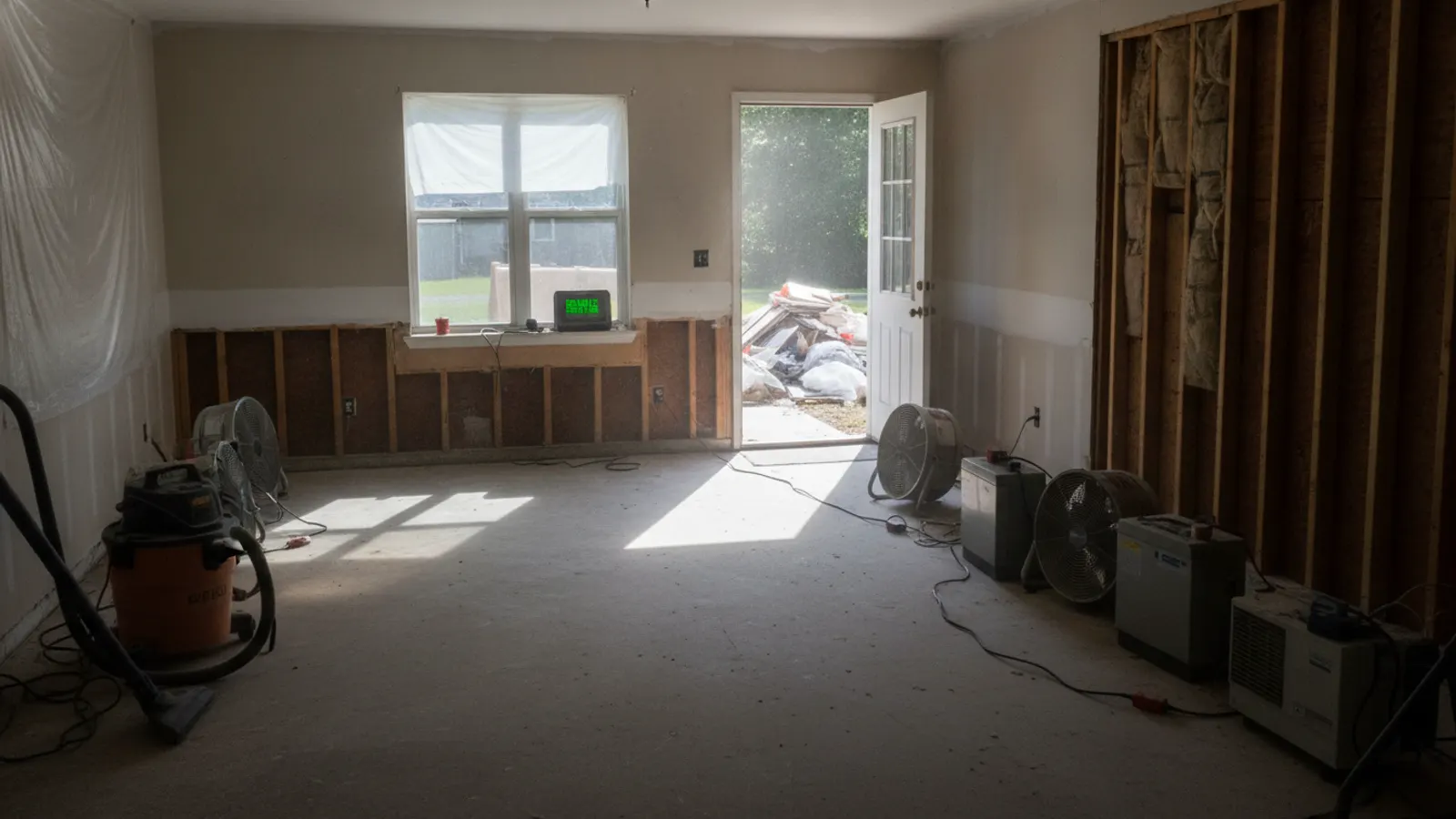
Flood-damaged flooring removed to the slab with drying equipment running in a Goodyear, Arizona home
Goodyear's growth has been explosive, and the housing stock reflects it: 2000s–2010s tract homes in Estrella, Palm Valley, Canyon Trails, and Sedella dominate. The most common flood losses are upstairs washing-machine and water-heater failures, refrigerator supply lines, and the occasional dishwasher loop. PebbleCreek (active-adult, 1990s–2000s) is now firmly in the original-water-heater failure window.
Eastern Goodyear neighborhoods sit close to the Agua Fria channel, which sees significant monsoon flow during peak cells. Surface flooding into low-lying garages and exterior storage is a recurring claim pattern here.
We respond 24/7 across the City of Goodyear with truck-mounted extraction, structural drying, mold prevention, and end-to-end rebuild.

Why Goodyear Flood Restoration Is Different

Estrella's hillside and elevated-lot homes have specific drainage requirements that get tested every monsoon. Several rebuilds we've done include drainage and grading corrections folded into the post-loss build-back.
Goodyear's Development Services Department turns emergency repair permits same-day; standard rebuild permits in 2–3 weeks.

Recent Flood Restoration Projects in Goodyear

Estrella

Upstairs water-heater pan overflow: master closet, laundry, downstairs hallway extraction and rebuild

$29K5 weeks

PebbleCreek

Original water-heater failure: garage and adjacent kitchen extraction, cabinet rebuild, tile replacement

$21K5 weeks

Palm Valley

Refrigerator ice-maker line failure: 600 sf wood-look tile, base-cabinet rebuild, drywall flood-cut

$16K3 weeks

Flood Restoration in Goodyear: Fast Facts

Average Goodyear flood/water claim: $8,500–$26,000.

PebbleCreek original water-heater failure rate (age 18+): high.

Agua Fria monsoon flow: significant during July–August peak cells.

City of Goodyear emergency repair permits: typically same-day.

Microbial growth window: 48–72 hours.

Typical Cost

$3,000 – $75,000+

Typical Timeline

1 – 8 weeks

Permit Lead Time

2–4 weeks

How We Approach Flood Restoration

Arizona's monsoon season — typically mid-June through September — can dump 1–3 inches of rain in under an hour on hard-packed desert soil that can't absorb it. The result: flash flooding, washes overrunning streets, roof leaks under wind-driven rain, and ground-water intrusion into garages, casitas, and lower-level living spaces. ProWorx Restoration is a licensed Arizona general contractor (ROC #349454) responding 24/7 to flood emergencies across the Valley.
We arrive with truck-mounted water extractors, submersible pumps, commercial dehumidifiers, and air movers. Water is removed immediately, structural drying begins within hours, and antimicrobial treatment is applied before mold can take hold (typically within 24–48 hours of saturation). For total losses we also handle drywall, flooring, insulation, and finish reconstruction under the same contract.

24/7 emergency response across the Phoenix metro

Licensed Arizona general contractor (ROC #349454)

Truck-mounted water extraction and submersible pumping

Industrial dehumidification and high-velocity air movers

Antimicrobial treatment to prevent mold growth

Thermal imaging to detect hidden moisture

What Goodyear Homeowners Should Know About Flood Restoration

Garages, Casitas and Detached Structures

Flood water often enters garages, casitas and other detached structures first because they sit lower or have wider openings than the main house. Stored belongings, appliances, water heaters and vehicles may all be affected. Detached structures can also have different construction, such as uninsulated walls or concrete floors, which affects how they are cleaned and dried. We assess every affected building on the property, not just the main residence, so nothing is missed in the restoration or the insurance claim.

Sewer Backups

A sewer backup sends contaminated water up through floor drains, toilets and tubs into the home. It can be caused by blockages in the main line, tree roots, aging pipes or a municipal system overwhelmed during heavy rain. Because the water is Category 3, cleanup requires removing affected porous materials and thoroughly cleaning and disinfecting everything else. Installing a backwater valve can help prevent future backups in some properties. Standard homeowner policies may require a specific endorsement for sewer backup coverage, so it is worth checking.

Mould: When It Becomes a Concern

Mould spores are present almost everywhere, but they need moisture to grow, and wet building materials can begin supporting growth surprisingly quickly in warm conditions. The aim of rapid drying is to bring materials back to normal moisture levels before growth gets established. If mould is already present, it should be handled under containment, so disturbing it does not spread spores to other parts of the home, and affected porous materials are generally removed rather than cleaned. Covering visible mould with paint does not solve the problem, because the moisture source and the growth behind the surface remain. Addressing the cause of the moisture is always part of the fix.

Preventing the Next One

Once a home has been through water damage, preventing a repeat becomes a priority. Leak detection devices placed near water heaters, washing machines, under sinks and behind refrigerators can sound an alarm or send a phone alert the moment they sense water, and some systems can shut off the main supply automatically. Knowing where your main shut-off valve is, and making sure everyone in the household knows how to close it, can turn a potential disaster into a minor clean-up. Replacing aging supply lines, washing machine hoses and water heaters on a schedule, rather than waiting for them to fail, is far cheaper than repairing the damage they cause.

What Drives the Cost of Water Damage Repair

The cost of a water damage job depends mainly on how far the water spread, how contaminated it was, how long it sat before mitigation began and what materials it reached. A clean-water leak caught within hours in a single room may require only extraction and a few days of drying. The same leak discovered after a week can involve removing flooring, cutting out lower drywall, replacing cabinets and treating mould. Category 3 water increases cost because more material must be removed and handled safely. This is why speed matters so much: the single biggest factor within your control is how quickly someone begins removing water and drying the structure.

Rebuilding After the Drying Is Done

Once the structure is dry, the home has to be put back together, and this is where a single contractor handling both mitigation and reconstruction saves time and confusion. Removed drywall is replaced and finished to match surrounding walls, baseboards and trim are reinstalled, flooring is repaired or replaced, cabinets are reset or rebuilt, and painting blends new work into existing finishes. Matching flooring and texture so repairs are not obvious takes care. We manage the full rebuild after drying, coordinating every trade so your home is returned to the condition it was in before the loss.

Common Residential Water Sources in Arizona

The most frequent calls we get: slab leaks from aging copper supply lines (common in 1970s–80s homes), water-heater bursts in garages, washing-machine supply hose failures, dishwasher and ice-maker line leaks, toilet supply line failures, roof leaks during monsoon, and AC condensate pan overflows in attic-mounted air handlers (a major Phoenix summer issue).

Signs of Water Damage in Your Home

Water damage isn't always obvious. Look for water stains on ceilings or walls, musty odors, peeling or bubbling paint, warped flooring, soft or spongy drywall, and unexplained increases in your water bill. In Arizona's warm climate, hidden moisture can lead to mold growth within 24-48 hours. If you notice any of these signs, call ProWorx Restoration immediately for a professional moisture assessment using thermal imaging and industrial moisture meters.

Our Proven Process

01

Free Consultation

We visit your property, discuss your goals, and provide a detailed, no-obligation estimate.

02

Custom Plan

Our team creates a tailored project plan with timeline, materials, and transparent pricing.

03

Expert Execution

Licensed craftsmen complete your project with quality materials and meticulous attention to detail.

04

Final Walkthrough

We inspect every detail with you and ensure complete satisfaction before the job is done.

"Second-story water heater overflow soaked half the house. ProWorx managed the entire claim — extraction, drying, rebuild — and the insurer paid every line item without a fight."

ProWorx Client · Goodyear

Neighborhoods We Serve in Goodyear

Estrella · PebbleCreek · Palm Valley · Canyon Trails · Sedella

Flood Restoration FAQs for Goodyear Homeowners

Ready to Start Your Goodyear Flood Restoration Project?

Get a free, no-obligation estimate from a licensed Arizona contractor — ROC #349454.