


Living in Mesa means dealing with extreme heat, intense UV exposure, monsoon storms, and dry air. These conditions are hard on homes. Without regular maintenance, small issues become expensive repairs.
This seasonal checklist covers everything Mesa homeowners need to do to protect their property year-round.
Spring (March–May): Pre-Summer Prep
Spring is your window to prepare for Arizona's brutal summer. Focus on cooling systems and exterior protection.
- Service your AC. Schedule a professional tune-up before temperatures hit 100°F. Replace filters and check refrigerant levels.
- Inspect your roof. Look for cracked tiles, missing shingles, or damaged flashing. Arizona UV breaks down roofing materials faster than in other climates.
- Check exterior paint. Sun-faded or peeling exterior paint exposes surfaces to UV damage and moisture intrusion.
- Seal windows and doors. Gaps let hot air in and cool air out, driving up energy bills.
- Test irrigation systems. Repair broken sprinkler heads and adjust timers for summer watering schedules.
- Inspect your garage door. Heat warps seals and springs. Lubricate moving parts.
Summer (June–August): Survive the Heat
Summer in Mesa means 110°F+ days and monsoon storms. Stay ahead of problems.
- Monitor your AC daily. If it's not cooling properly, call for service immediately — wait times spike in summer.
- Clean gutters and downspouts. Monsoon rains dump massive amounts of water quickly. Clogged gutters cause flooding.
- Check for water intrusion. After storms, inspect ceilings, walls, and around windows for signs of leaks. Early detection prevents costly water damage restoration.
- Inspect concrete. Heat causes expansion cracks in driveways, patios, and foundations. Small cracks should be sealed before they grow. Our concrete services can handle repairs.
- Trim trees near the house. Monsoon winds snap branches. Keep trees trimmed away from rooflines and power lines.
Fall (September–November): Recovery and Prep
Fall is the best time for exterior projects in Mesa. Temperatures are comfortable and humidity drops.
- Schedule exterior painting. Fall's moderate temperatures (70s–80s) are ideal for exterior painting.
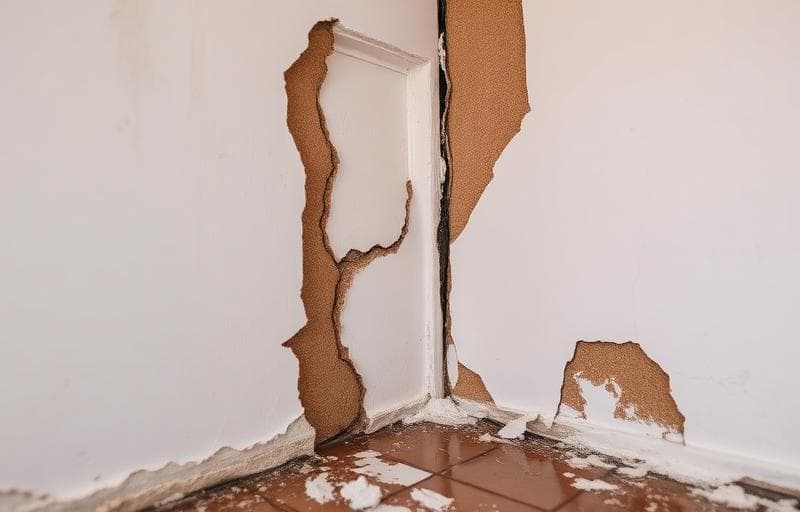
- Inspect and repair stucco. Arizona's expansion and contraction cycles cause stucco cracks. Seal them before winter moisture sets in.
- Check your water heater. Flush the tank to remove sediment buildup. Check the anode rod.
- Deep clean and reseal grout. Kitchen and bathroom tiles take a beating. Resealing grout prevents moisture damage.
- Plan your remodel. Fall is the best time to start a home remodel — contractors have more availability and materials cost less.
Winter (December–February): Interior Focus
Mild winters in Mesa mean it's the perfect time for interior improvements.
- Inspect insulation. Proper insulation keeps your home cool in summer and warm on cold winter nights.
- Check drywall for cracks. Temperature changes cause settling. Repair cracks before they grow.
- Update flooring. Winter is ideal for flooring installation — no extreme heat to affect adhesives.
- Test smoke and CO detectors. Replace batteries and test all units.
- Inspect plumbing. Even in Mesa, overnight temperatures can dip below freezing. Insulate exposed pipes.
When to Call a Professional
Some maintenance tasks require a licensed contractor:
- Roof repairs or replacement
- Electrical system inspection
- Structural crack evaluation
- HVAC repair or replacement
- Plumbing issues beyond basic fixes
ProWorx Restoration is Mesa's trusted general contractor. Whether you need a quick repair or a complete renovation, contact us for a free estimate.
Why the Desert Maintenance Calendar Is Different
Maintenance advice written for most of the country assumes four seasons, freeze-thaw cycles and humidity. Arizona has a different set of stresses: relentless ultraviolet exposure, extreme summer heat, very low humidity, and a concentrated monsoon season that delivers most of the year's rain in violent bursts.
Those stresses dictate a different calendar. The work that matters here is mostly about sun protection, cooling system capability and preparing for storms, and most of it is best done in the cooler months when working outside is practical.
Spring: Prepare for Heat and Storms
Spring is the most important maintenance window of the Arizona year, because it precedes both the summer heat and the monsoon. Service the air-conditioning system before you depend on it, replace filters, and have condensate lines flushed, since a clogged condensate line is one of the most common causes of ceiling damage in Valley homes.
Inspect the roof for cracked or slipped tiles and clear debris from valleys and drains. Check that soil still slopes away from the foundation and that drainage paths are clear. Trim trees to reduce storm damage and remove dead limbs. Check exterior sealant around windows and doors.
Summer: Watch, Do Not Work
Summer is for monitoring rather than projects. Working on a roof or exterior in extreme heat is genuinely dangerous and the materials themselves behave differently. Keep an eye on air-conditioning performance, change filters more often than you would in milder months, and listen for changes in how the system runs.
After each significant storm, check ceilings for new stains, walk the exterior for displaced roofing and debris, and look into the attic with a torch for wet framing or insulation. Water found within hours rarely becomes a mould problem; water found weeks later usually has.
Autumn: The Repair Window
Once temperatures drop, the exterior work that was impractical all summer becomes possible. This is the right time for roof repairs, stucco patching, exterior painting, concrete work and anything else with a temperature ceiling.
It is also the time to repair whatever the monsoon exposed. Storm damage that was temporarily tarped or patched should be made permanent before the next season, and anything that leaked should have its source traced rather than only its symptom repaired.
Winter: Interiors and Systems
Arizona winters are mild, which makes them ideal for interior projects and for the systems work that is uncomfortable in summer. Service the heating side of the HVAC system, check and flush the water heater, test smoke and carbon monoxide alarms and replace batteries.
Winter is also when homes are closed up more and run less ventilation, so it is a sensible time to check bathroom exhaust fans actually vent outside and are moving air properly.
Every Few Years, Not Every Year
Some items run on a longer cycle. Exterior paint and stucco coatings need renewing periodically, and in Arizona sun that interval is shorter than manufacturers' general guidance suggests. Attic insulation settles and loses effectiveness and is worth checking and topping up. Water heaters should be replaced on age rather than waiting for failure, particularly if the house is unoccupied for part of the year.
Caulk and grout in wet areas should be inspected and renewed before they fail, since both are cheap to maintain and expensive to repair the consequences of.
Seasonal Homes Need a Different List
If your home sits empty for part of the year, the single most valuable thing you can do is shut off the main water supply before you leave. A failed supply line or water heater in an empty house can run for weeks, turning a minor repair into saturated flooring, ruined cabinetry and mould inside the walls.
Arranging for someone to check the property periodically, setting the thermostat to protect the home rather than switching it off entirely, and having a local contact who can act if something goes wrong all reduce the risk considerably.
Monthly and Quarterly Habits
A few short, frequent checks catch most problems while they are still cheap. Replace or check HVAC filters monthly during heavy cooling months, since a clogged filter reduces efficiency and strains the system. Look under sinks and around the water heater for signs of moisture. Test that bathroom and kitchen exhaust fans are actually moving air.
Quarterly, walk the exterior and look at the roof from the ground, check that drainage paths remain clear, inspect caulk and grout in wet areas, and confirm that landscaping has not been built up against the base of stucco walls. None of this takes long, and it is far cheaper than what it prevents.