



Flooring Installation in Mesa, AZ

Tile, LVP, and engineered wood across Mesa — east valley response within 24 hours.

Serving Mesa & nearby Maricopa County

Get Your Free Flooring Installation Estimate

Step 1 of 5Project

What kind of project?

Pick the option that fits best — you can add details next.

Quick Answer: Flooring Installation in Mesa

ProWorx Restoration provides flooring installation across Mesa, AZ — large-format porcelain tile, luxury vinyl plank, engineered wood, and slab prep in Las Sendas, Eastmark, Red Mountain Ranch, and Augusta Ranch. Typical projects run $4 – $13/sf installed.

1,200+

Projects Completed

15+

Years Experience

ROC #349454

Licensed & Insured

100%

Satisfaction Guaranteed

Flooring Installation Built for Mesa Homes
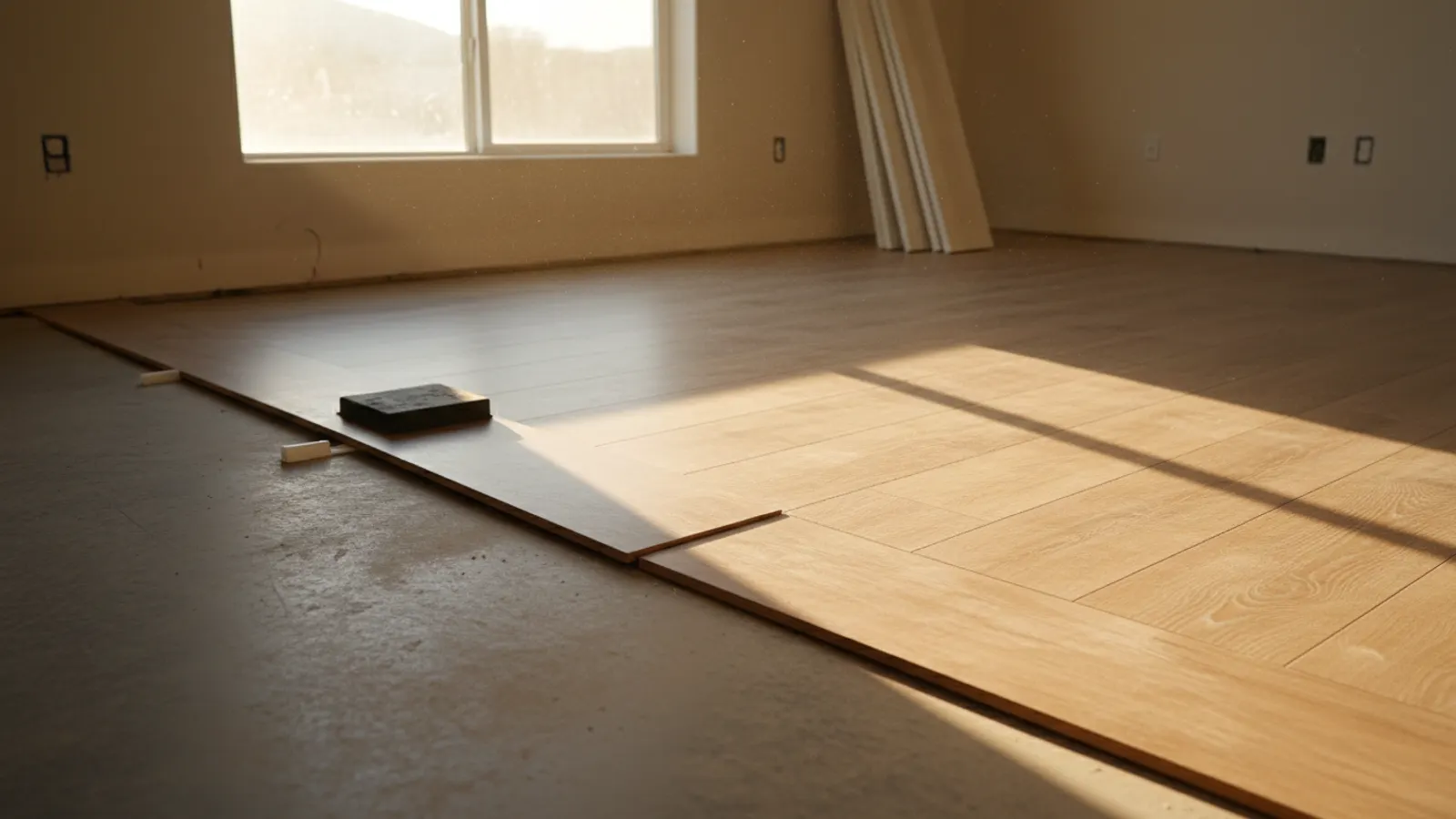
Luxury vinyl plank flooring being locked together across a prepared subfloor in a Mesa, Arizona home
Mesa's 1980s–2000s tract stock is largely on slab with original carpet still in place — full carpet rip and tile/LVP install is our highest-volume scope. Self-leveling underlayment is required on most Las Sendas and Red Mountain Ranch slabs that have settled.
Eastmark and newer master-planned communities favor large-format porcelain (24×48) and wide-plank LVP.
Insurance flooring scopes (slab leak, water heater failure) are scoped in Xactimate with direct carrier billing.

Why Mesa Flooring Installation Is Different

Carpet-to-hard-surface remodels: 60%+ of Mesa flooring volume.
Las Sendas hillside lots: slab deflection requires self-leveling on most homes built before 2005.
City of Mesa Building Safety doesn't require permits on like-for-like flooring; structural work does.

Recent Flooring Installation Projects in Mesa

Las Sendas

Whole-home carpet rip + 24×48 porcelain, full self-level, 3,200 sf

$34K12 days

Eastmark

LVP whole-home over leveled slab, baseboards, 2,600 sf

$19K6 days

Augusta Ranch

Slab leak: 5 rooms tile replace, self-level patch, schluter transitions, insurance scope

$11K5 days

Flooring Installation in Mesa: Fast Facts

Carpet-to-hard-surface remodel: ~60% of Mesa volume.

Large-format porcelain (24×48): ~40%.

LVP: ~30% and rising.

Average Mesa flooring project: $12,000–$30,000.

Self-leveling required on most pre-2005 Las Sendas / Red Mountain slabs.

Typical Cost

$2,000 – $30,000+

Typical Timeline

3 days – 3 weeks

Permit Lead Time

2–4 weeks

How We Approach Flooring Installation

ProWorx Restoration installs porcelain tile, luxury vinyl plank (LVP), engineered hardwood, laminate, and carpet across the Phoenix metro. We handle subfloor prep, slab moisture testing, crack-isolation membranes, and demolition of existing flooring. Arizona ROC #349454.
Phoenix-metro flooring choices are shaped by slab-on-grade construction and the climate. Solid hardwood is generally inappropriate over slab — moisture vapor transmission from concrete causes cupping and crowning even years after the slab cures. Engineered hardwood, porcelain tile, and LVP dominate for good reason. Slab moisture testing (calcium chloride or RH probe per ASTM F1869/F2170) is essential before any glue-down installation. Crack-isolation membranes (Schluter Ditra, NobleSeal CIS) under tile prevent slab cracks from telegraphing into the tile assembly.

Porcelain and ceramic tile with Schluter Ditra crack-isolation

Luxury vinyl plank (LVP) — waterproof, click-lock, and glue-down systems

Engineered hardwood over slab with proper moisture mitigation

Laminate and carpet installation

Slab moisture testing (ASTM F1869 calcium chloride, F2170 RH probe)

Subfloor leveling and patching to install-spec flatness

What Mesa Homeowners Should Know About Flooring Installation

Our Hardwood Floor Water Damage Process

Every job starts with extraction within hours — the faster water is removed, the more floor we can save. We then deploy specialized hardwood drying mats (Injectidry or similar) and dehumidifiers, monitoring moisture content daily. Once the floor is dry to spec, we sand out cupping and stains, replace any boards beyond repair, then refinish with your choice of stain and topcoat — water-based polyurethane for fast cure or oil-based for the traditional warm tone.

Luxury Vinyl Plank in the Kitchen

Luxury vinyl plank has become a popular kitchen choice because many products have waterproof cores, are softer and warmer underfoot than tile and resist scratches well. They can replicate the look of wood or stone convincingly at a lower cost. Quality varies widely, so attention to wear layer thickness and core construction is important. Proper installation, including expansion gaps, ensures the floor performs well in Arizona's temperature swings.

Laminate Versus Luxury Vinyl

Laminate and luxury vinyl both offer wood-look appearances at moderate cost, but they differ in construction. Many luxury vinyl products have waterproof cores, while laminate typically has a wood-based core that can swell if it gets wet. Laminate can offer good scratch resistance, while vinyl tends to be softer and quieter underfoot.

Testing for Moisture

Concrete slabs can transmit moisture from the ground, which can damage moisture-sensitive flooring and adhesives. Testing slab moisture before installation helps determine whether a moisture barrier or a different flooring choice is needed. Skipping this step can lead to warping, mould or adhesive failure.

Letting Flooring Acclimate

Some flooring materials, particularly wood and certain vinyl and laminate products, need time to adjust to the temperature and humidity of the home before installation. Installing flooring that has not acclimated can lead to gaps, buckling or other problems once it adjusts to its environment. Following manufacturer guidance on acclimation helps ensure a stable installation.

Drying Hardwood in Place

In many cases, hardwood floors can be dried in place rather than torn out, especially if mitigation begins quickly and the water was clean. Specialised drying systems draw moisture out through the floor surface while dehumidifiers remove it from the air, and the subfloor beneath may also need targeted drying. The process takes longer than drying carpet or tile and requires careful monitoring. Drying in place can save a significant amount of money compared with replacing the floor, but it is only appropriate when the boards are not severely damaged and the water was not heavily contaminated.

Arizona's Dry Climate After the Flood

Arizona's naturally low humidity can help hardwood dry, but it also creates its own challenges. Wood that dries too quickly or unevenly can crack, check or develop gaps between boards. Once restoration is complete, normal indoor humidity in Arizona homes is often much lower than in other regions, and floors installed or repaired without allowing for that can shrink and open up over time. Controlled drying and allowing replacement boards to acclimatise to the home before installation help prevent these issues.

How Long a Kitchen Floor Replacement Takes

Most kitchen floor replacements take a few days, depending on the size of the room, the material and how much slab preparation is required. Tile needs additional time for mortar and grout to cure before heavy use.

Cupping, Crowning and Buckling Explained

Hardwood reacts to moisture in predictable ways, and the shape of the damage tells you a lot. Cupping occurs when the edges of boards rise higher than the centres, usually because moisture is coming from below and the bottom of each board has absorbed more water than the top. Crowning is the opposite, with the centres higher than the edges, and often appears when cupped floors are sanded flat before they have properly dried. Buckling, where boards lift away from the subfloor entirely, indicates severe moisture exposure. Understanding which of these is happening helps determine whether the floor can be saved and how it should be dried.

Preparing an Arizona Slab

Most Arizona kitchens sit on a concrete slab, and preparing it properly is essential. The slab must be flat, clean and checked for excess moisture before flooring is installed, particularly with materials sensitive to moisture. Cracks may need repair, and high or low spots may need grinding or levelling, especially for large-format tile. Proper preparation prevents cracked tile, gaps and uneven floors.

What a Kitchen Floor Has to Withstand

Kitchen flooring faces more demands than flooring anywhere else in the house. It must cope with spilled water, dropped pans and dishes, grease, heavy appliances and constant foot traffic, while remaining comfortable to stand on for long periods and easy to clean. No single material excels at all of these, so choosing kitchen flooring means deciding which qualities matter most to your household, whether that is durability, water resistance, comfort or appearance.

How Our Flooring Installation Process Works in Mesa

01

Free On-Site Consultation

We visit your property, discuss your goals, and provide a detailed, no-obligation estimate.

02

Custom Project Plan

Our team creates a tailored project plan with timeline, materials, and transparent pricing.

03

Licensed Crews On Site

Licensed craftsmen complete your project with quality materials and meticulous attention to detail.

04

Final Walkthrough & Sign-Off

We inspect every detail with you and ensure complete satisfaction before the job is done.

"Ripped the carpet, leveled the slab, set 24x48 porcelain through the whole Eastmark house in 12 days. Crew was clean and on schedule."

ProWorx Client · Mesa

Neighborhoods We Serve in Mesa

Las Sendas · Eastmark · Red Mountain Ranch · Augusta Ranch · Dobson Ranch · Superstition Springs · Mesa Grande · Lehi

Flooring Installation FAQs for Mesa Homeowners

Ready to Start Your Mesa Flooring Installation Project?

Get a free, no-obligation estimate from a licensed Arizona contractor — ROC #349454.