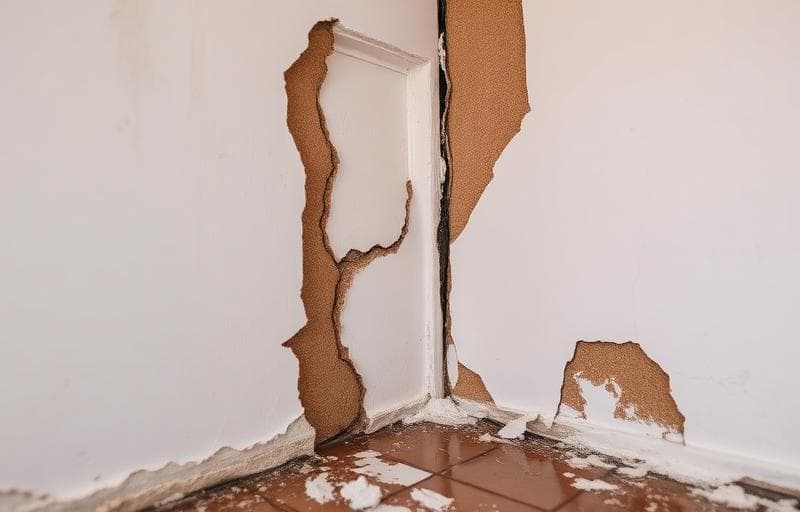




Selling a home in Mesa is exciting until the buyer's inspection report comes back with a list of repair requests. The smart move? Address common inspection issues before listing.
As Mesa's trusted general contractor, ProWorx Restoration helps sellers prepare their homes for smooth, successful sales.
1. Roof Issues
Roof problems are the #1 deal-breaker in Mesa home sales. Inspectors flag cracked tiles, worn flashing, and signs of past leaks. Repairs range from $500 to $5,000+.
Proactive roof repair prevents water damage that could cost 10x more.
2. HVAC Deficiencies
In Arizona, a functioning AC system is non-negotiable. Units over 15 years old are flagged as end-of-life. Service records help.
3. Plumbing Problems
Common Mesa plumbing issues include slow drains, running toilets, and polybutylene pipes in pre-1995 homes.
4. Electrical Concerns
Outdated electrical panels, missing GFCIs in wet areas, and exposed wiring are frequent findings. GFCI outlets cost under $100 to install.
5. Stucco and Exterior Damage
Cracked stucco is both a cosmetic and structural concern. Professional repair and fresh paint can transform your home's first impression.
6. Water Damage Evidence
Water stains, warped baseboards, and musty odors are red flags. Address through proper restoration — new drywall and moisture testing.
7. Foundation and Structural Cracks
Arizona's expansive soils cause foundation movement. Stair-step cracks in block walls or horizontal foundation cracks need professional evaluation.
The Pre-Listing Advantage
Homes that pass inspection cleanly sell faster and closer to asking price.
Schedule your assessment or contact us to learn more.
Why Pre-Listing Inspection Is Worth Considering
Most sellers wait for the buyer's inspection, which puts them in a reactive position: a list of findings arrives during escrow, under time pressure, with a buyer who now has leverage. A pre-listing inspection reverses that.
Knowing what an inspector will find lets you repair selectively, price accordingly, or disclose knowingly. It costs a few hundred dollars and frequently saves multiples of that in renegotiation, because repairs arranged calmly before listing cost far less than repairs demanded during escrow.
What Mesa Inspections Reliably Flag
Certain findings appear repeatedly in Mesa reports. Roof condition, particularly cracked or slipped tiles and underlayment near the end of its life. Air-conditioning system age and performance. Water heaters past expected service life. Electrical panel capacity and outdated wiring in older homes. Evidence of past or present water intrusion.
Beyond those, inspectors commonly note missing GFCI protection in kitchens and bathrooms, improper drainage toward the foundation, and gaps in weatherstripping and sealant.
Safety Items Are Not Optional
Some findings are worth fixing regardless of negotiating position, because buyers rarely accept them and lenders sometimes will not. Exposed wiring, missing or non-functioning smoke and carbon monoxide alarms, missing GFCI protection near water, compromised fire separation between an attached garage and living space, and defective water heater installations all fall into this category.
These are typically inexpensive relative to their effect on a transaction, which makes them the clearest candidates for pre-listing repair.
The Roof Deserves Its Own Assessment
In Mesa the roof is frequently the single largest item on an inspection report and the most consequential in negotiation. Buyers understand what a failing roof costs, and lenders and insurers take an interest.
Because tile roofs rely on underlayment that degrades long before the tile looks aged, a roof can appear sound from the ground and still be flagged. Having a roofer assess it before listing, and obtaining documentation if it is sound, removes a major uncertainty.
The Air Conditioner Is a Negotiating Point
Nowhere does a failing cooling system matter more than here, and buyers know it. A system near the end of its expected life becomes a line item in every offer, and a system that fails during escrow becomes an emergency.
Service it before listing, keep the records, and be realistic about age. If replacement is imminent, it is often better to address it or price it in rather than have it discovered and used as leverage.
Repair, Credit or Disclose
There are three honest responses to any finding. Repair it, which usually produces the best outcome for presentation and removes the objection. Offer a credit, which lets the buyer handle it and avoids you managing contractors during a sale. Or disclose it and price accordingly, which suits larger items you have decided not to address.
What does not work is concealing it. Arizona requires disclosure of known material defects, and a buyer discovering a concealed problem has far more leverage than one told about it up front.
Use Licensed Contractors and Keep the Paperwork
Repairs made before listing should be done properly and documented. Buyers and their agents will ask who did the work, and receipts from a licensed contractor carry weight that a verbal assurance does not.
Where permits were required, make sure they were pulled and closed out. Unpermitted repair work discovered during escrow creates exactly the problem the repair was meant to solve.
What Usually Is Not Worth Fixing
Not every finding deserves repair. Minor cosmetic items, normal wear consistent with the age of the house, and small cracks that are clearly settlement rather than structural movement rarely affect a sale and are frequently noted on every report in the neighbourhood.
Spending on these before listing often returns nothing. Focus the budget on safety items, anything affecting insurability or financing, and the big-ticket systems buyers genuinely care about.
Sequencing Repairs Before Listing
If several things need attention, order matters. Address anything involving water intrusion first, since it can affect other repairs and worsens with time. Systems work next, then cosmetic items, then cleaning and presentation immediately before photography.
Leave enough time that repairs are genuinely finished rather than in progress when the house goes on the market. A listing photographed mid-repair undercuts the value the repairs were meant to create.
Water Intrusion Is the Finding That Scares Buyers Most
Nothing on an inspection report unsettles a buyer like evidence of water. Ceiling stains, efflorescence on walls, cupped flooring, soft drywall and a musty smell all suggest a problem that might be ongoing, and buyers tend to assume the worst because they cannot see behind the finishes.
If an inspection flags water intrusion, the most valuable thing you can do is establish whether it is historic and resolved or active and ongoing, and document that clearly. A repaired roof leak with an invoice and a dry moisture reading is a different conversation from an unexplained stain. Painting over it without investigation is the worst option, because a buyer who later discovers an active leak has both a problem and a reason to distrust everything else you disclosed.
Getting a Repair Estimate Before You Negotiate
When a finding appears, obtain a written estimate from a licensed contractor before discussing credits with a buyer. Buyers frequently arrive with inflated figures, and an itemised quote from a qualified contractor anchors the conversation in reality.
It also lets you make an informed choice between repairing, crediting or disclosing. Negotiating without knowing the actual cost means negotiating from a weaker position than you need to.
Preparing the House for the Inspection Itself
Small preparations make an inspection go better and produce a shorter report. Make sure the inspector can access the attic, the electrical panel, the water heater and the area beneath sinks, since items noted as inaccessible often reappear as buyer concerns.
Replace burnt-out bulbs so nothing is flagged as a non-functioning fixture, test smoke and carbon monoxide alarms, make sure windows and doors open and latch, and clear stored items away from the water heater and panel. None of this conceals anything; it simply avoids trivial findings crowding the report and making the house look less well kept than it is.