


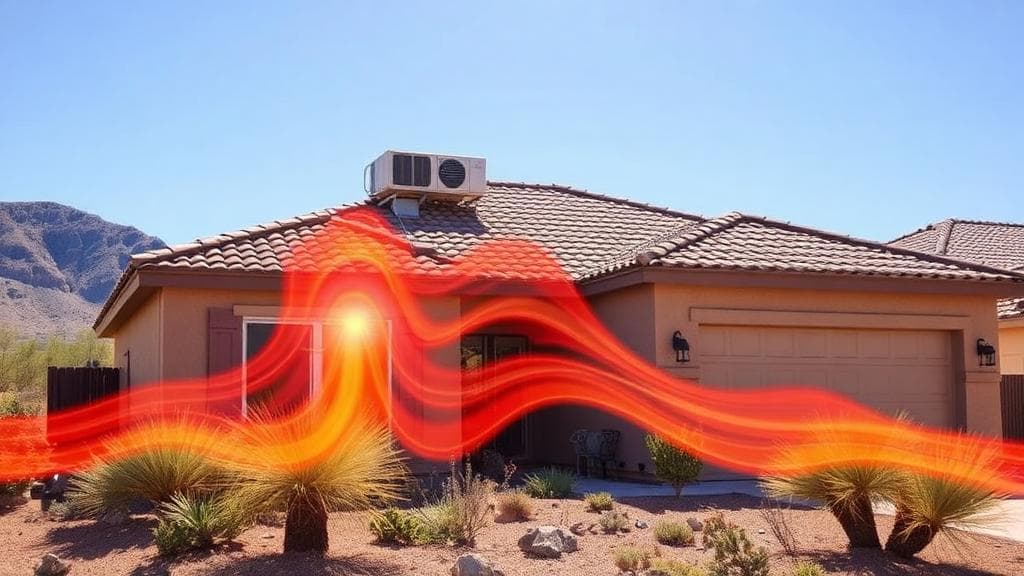
Arizona summers regularly exceed 110°F, pushing homes to their limits. Without proper preparation, you risk skyrocketing energy bills, HVAC failures, and heat-related structural damage.
Here's our professional checklist to get your home summer-ready.
1. HVAC System Inspection and Service
Your air conditioning is your most critical summer system. Schedule a professional tune-up before May.
- Replacing or cleaning filters (monthly during summer)
- Checking refrigerant levels
- Cleaning condenser coils
- Inspecting ductwork for leaks
- Testing thermostat accuracy
An older unit can add $100+ per month to summer bills. If your unit is 15+ years old, consider replacement as part of a home renovation.
2. Insulation Assessment
Many older Mesa homes have inadequate attic insulation. In Arizona, the recommended level is R-38 to R-60 for attics. Proper insulation can reduce cooling costs by 20–30%.
3. Window and Door Sealing
Air leaks around windows and doors force your HVAC system to work overtime. Upgrading to dual-pane Low-E windows can reduce solar heat gain by up to 50%.
4. Roof Inspection
Arizona's UV exposure degrades roofing materials faster than most climates. A small leak discovered in March is far cheaper to fix than the water damage restoration required after a July monsoon.
5. Exterior Stucco and Paint Check
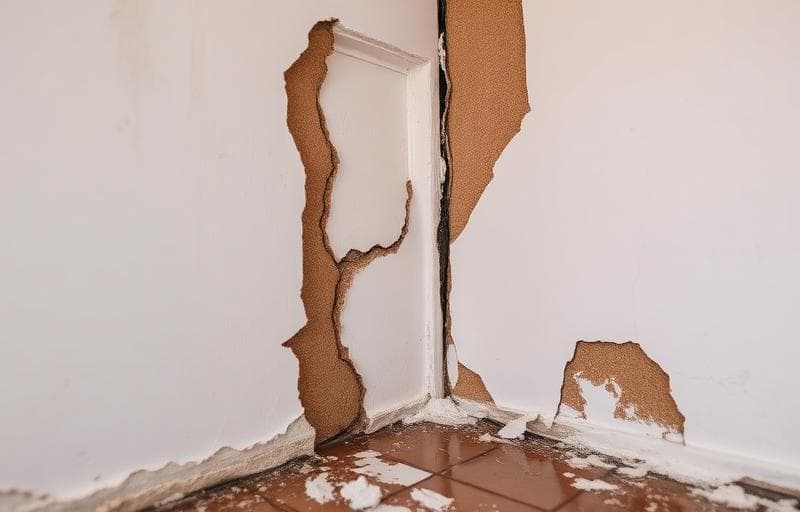
Cracked or peeling stucco allows moisture intrusion during monsoon season. Fresh exterior paint with UV-resistant coating protects your stucco and reduces heat absorption.
6. Plumbing Check
Arizona's heat can cause water heater failures and pipe stress. Flush your water heater, check the pressure relief valve, and insulate any exposed pipes.
7. Shade and Landscaping
Strategic shade trees on the south and west sides of your home can reduce cooling costs by 15–25%.
Get a Professional Assessment
ProWorx Restoration offers comprehensive home assessments. Schedule your free inspection and get ahead of the heat. Contact us anytime.
Service the Air Conditioner in Spring
The single most important preparation is making sure the cooling system is ready before you depend on it. Service it in spring, when technicians are available, rather than discovering a problem in July when everyone is booked and the house is unbearable.
Service should include checking refrigerant, cleaning coils, inspecting electrical components and testing performance. Replace filters, and keep replacing them more frequently than you would in a milder climate, because Arizona dust loads them quickly and a clogged filter makes the system work harder.
Flush the Condensate Line
This small task prevents one of the most common causes of ceiling damage in Arizona homes. Air handlers in attics produce substantial condensation during the cooling season, which drains away through a condensate line. When that line clogs with algae or debris, water overflows directly onto the ceiling below.
Having the line flushed as part of spring service, and fitting a float switch that shuts the system down if water rises in the pan, costs very little and prevents a repair that frequently runs into thousands.
Check the Attic
Attic temperatures in an Arizona summer run far above outdoor air, and everything below sits beneath that heat. Check insulation depth with a tape measure, since insulation settles and thins over time and many older homes have far less than current recommendations.
Look also for blocked soffit vents, wet or compressed insulation indicating a past roof leak, and ductwork that is disconnected, leaking or poorly insulated. Each of these quietly raises cooling costs through the whole season.
Seal the Air You Are Paying to Cool
Insulation slows heat through materials; it does nothing about air moving through gaps. Recessed light fixtures, plumbing and wiring penetrations, the attic hatch and the top plates of interior walls all let conditioned air escape upward and superheated attic air pour down.
Weatherstripping around doors and sealant around window frames address the same problem at ground level. These are inexpensive materials and a weekend of work, and they make existing insulation perform as it was rated to.
Stop Heat at the Glass
West-facing windows are the worst heat source in most Arizona homes, because late afternoon sun arrives low and direct when the day is already hottest. Exterior shading beats interior blinds, because it stops heat before it passes through the glass.
Exterior shade screens, awnings, solar film and planting or structures that shade west walls all help substantially. Window replacement with low solar heat gain glazing is the thorough solution, but the cheaper interventions deserve consideration first.
Ceiling Fans and Thermostat Strategy
Ceiling fans do not cool rooms; they cool people by moving air across skin. That means fans running in empty rooms achieve nothing, but it also means that with fans running where people actually are, the thermostat can often be set a few degrees higher while comfort is maintained.
Check that fans are set to push air downward for summer. A programmable or smart thermostat that lets the house drift warmer when nobody is home, then cools before anyone returns, captures savings without discomfort.
Roof, Drainage and Monsoon Readiness
Summer preparation overlaps with monsoon preparation, because both arrive together. Inspect the roof for cracked or slipped tiles and clear debris from valleys and drains. Check that soil still slopes away from the foundation and that drainage paths are clear.
Trim trees to reduce storm damage and remove dead limbs. Secure or have a plan for loose yard items that become projectiles in a gust. All of this is far easier in spring than in August.
Protect the House and the Yard
Intense sun damages more than people. Check exterior paint and stucco for chalking and cracking, since repairs are best made before the heat and storms arrive. Inspect sealant around windows and doors.
Outdoors, check irrigation for leaks and broken emitters before plants are under real stress, and adjust watering schedules for the season. Pool equipment benefits from a service check before the months when it runs hardest.
Plan for a Power Outage
Summer storms cause outages, and a house without air conditioning becomes genuinely dangerous in Arizona heat rather than merely uncomfortable. Knowing what you would do matters, particularly in households with older people, young children or anyone with health conditions.
Keep water, torches and batteries accessible, know which nearby public buildings have cooling, and have a plan for medication requiring refrigeration. Keeping phones charged when storms are forecast is a small habit that helps.
Protecting the Water Heater and Plumbing
Summer preparation should include the water heater, which works alongside hard water to shorten its own life. Sediment accumulates in the tank, insulating the heating surface so the unit runs longer, uses more energy and fails sooner. Flushing the tank before the season is one of the highest-value maintenance tasks in an Arizona home.
If the water heater is approaching the end of its expected life, replacing it on your schedule is considerably better than replacing it after it fails and floods a garage or closet. For homes left empty part of the year, shutting off the main water supply before leaving is the single most effective protection available, and it costs nothing.
Preparing a Seasonal Home
Homes left empty through the summer need a different list. Shut off the main water supply, set the thermostat to protect the house rather than switching cooling off entirely, since extreme interior heat damages finishes, adhesives and electronics.
Arrange for someone to check the property periodically, and make sure they know where the shut-offs are and who to call. Most of the severe water damage we see in seasonal homes could have been a minor repair if someone had walked through within the first week.
A Spring Checklist Worth Keeping
Service the air conditioner and flush the condensate line. Replace filters and plan to keep replacing them. Check attic insulation depth and look for blocked vents or leaking ductwork. Seal gaps around fixtures, penetrations and the attic hatch. Address shading on west-facing glass. Inspect the roof and clear valleys and drains. Confirm drainage slopes away from the house. Trim trees and secure loose yard items. Flush the water heater.