A fresh coat of paint is one of the highest-ROI home improvements you can make. It transforms the look of your home, protects surfaces from damage, and can increase your property value by 2–5%.
But painting in Mesa isn't like painting in other climates. Arizona's intense sun, extreme heat, and low humidity create unique challenges that affect how paint adheres, dries, and lasts.
How Arizona's Climate Affects Paint
Mesa's desert environment is harsh on painted surfaces:
- UV degradation: Arizona gets 300+ days of sunshine per year. UV rays break down paint pigments and binders, causing fading and chalking faster than in other states.
- Extreme heat: Painting in temperatures above 90°F causes paint to dry too quickly, leading to brush marks, lap marks, and poor adhesion.
- Low humidity: Dry air accelerates evaporation, which means latex paints can skin over before they level properly.
- Thermal cycling: Mesa sees 40–50°F temperature swings between day and night. This expansion and contraction causes paint to crack and peel faster.
When DIY Painting Works
Some painting projects are perfectly suited for DIY:
- Single interior rooms: A bedroom or home office with standard 8-foot ceilings
- Accent walls: Small focal points that don't require extensive prep
- Touch-ups: Matching existing paint to fix scuffs and marks
- Furniture and cabinets: Small-scale projects you can do in a garage or well-ventilated area
For DIY success in Mesa, paint early in the morning (before 10 AM) or in the evening when temperatures are below 85°F. Use premium paint rated for UV resistance.
When to Hire a Professional
Some projects require professional equipment, experience, and safety measures:
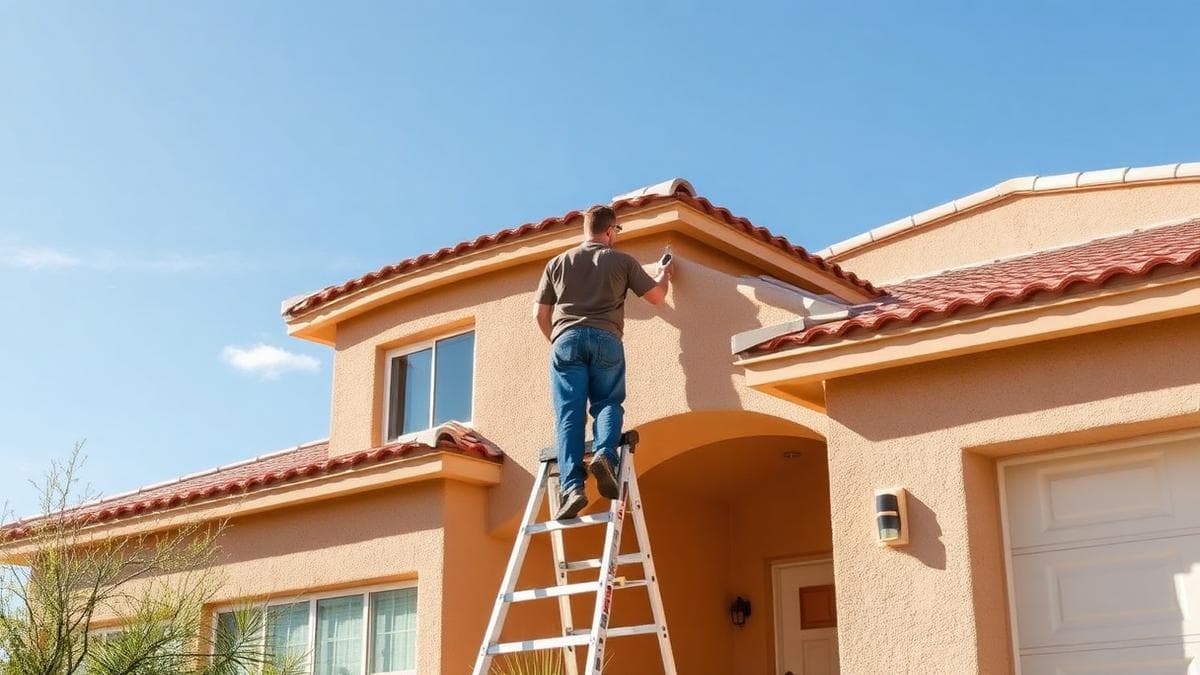
- Exterior painting: Two-story homes need scaffolding and fall protection. Surface prep (power washing, caulking, priming) is critical for adhesion.
- Whole-home interiors: Professionals finish faster with better results due to spray equipment and experienced technique.
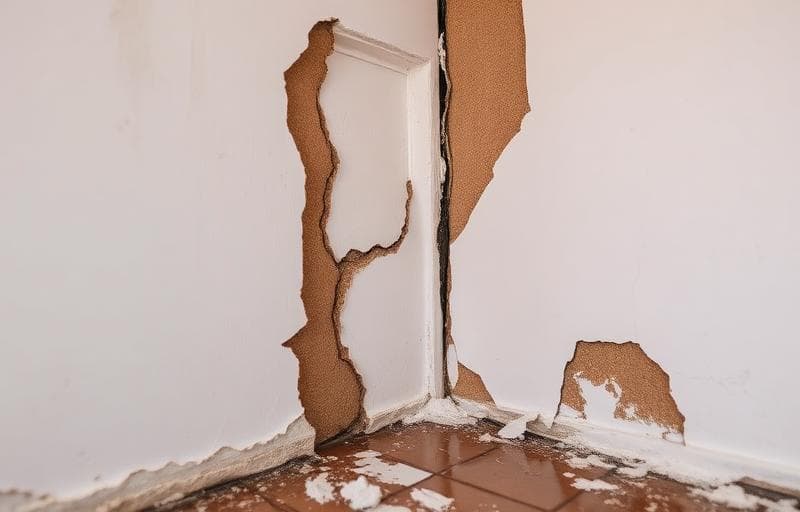
- Stucco repair and paint: Mesa's stucco exteriors often need crack repair before painting. Poor prep means the paint peels within a year.
- Textured ceilings: Popcorn or knockdown texture requires specific techniques to avoid damage.
- Color consulting: Professionals help you choose colors that work with Mesa's natural light and landscape.
Cost of Professional Painting in Mesa
- Interior painting (per room): $300–$800
- Whole-home interior: $2,000–$6,000
- Exterior painting: $3,000–$8,000
- Cabinet painting: $1,500–$4,000
These costs include prep work, primer, two coats of paint, and cleanup.
Best Paint for Arizona Homes
Not all paints perform equally in the desert. Look for:
- High UV resistance: Brands like Dunn-Edwards and Sherwin-Williams offer Arizona-specific formulations
- 100% acrylic latex: Flexes with temperature changes better than vinyl-acrylic
- Light reflective colors: Lighter exterior colors reflect heat and last longer in direct sun
- Elastomeric coatings: For stucco exteriors, these stretch and contract with the surface
Schedule Your Painting Project
The best time to paint exterior surfaces in Mesa is October through April when temperatures are moderate. For interior projects, any time of year works with proper ventilation.
ProWorx Restoration offers professional interior and exterior painting throughout Mesa. Book your free estimate and get a fresh look for your home.
Why Arizona Sun Changes Everything Outside
Exterior paint in Mesa faces ultraviolet exposure and surface temperatures that would be exceptional almost anywhere else. UV breaks down binders, causing chalking, fading and eventually cracking, and the daily expansion and contraction of heated surfaces stresses the film continuously.
The practical consequence is that exterior paint here does not last as long as manufacturers' general guidance suggests, and that the difference between a quality coating and a budget one shows up far faster. West and south-facing elevations fail first and noticeably earlier than shaded sides of the same house.
Preparation Decides the Outcome
Most exterior paint failures in this climate are preparation failures rather than product failures. Paint applied over chalking, dust, loose material or unrepaired cracks has nothing sound to bond to, and it will peel regardless of what was in the tin.
Proper preparation means washing to remove chalk and dust, scraping and sanding failed areas, repairing stucco cracks, replacing failed sealant at windows and doors, and priming bare or repaired areas. It is the least visible part of the job and the part that determines how long the result lasts.
Painting Stucco
Most Mesa homes are stucco, which is porous and has particular requirements. Cracks need repairing before painting rather than being bridged by the coating, because paint over a moving crack reopens. Elastomeric coatings, which are thicker and flexible, can bridge fine cracks and shed water well, but they are less breathable and should only go over sound, dry stucco.
Weep screeds at the base of walls must be left clear. Painting or burying them prevents water that gets behind the stucco from draining out, which causes far worse problems than the appearance ever did.
Timing the Work
Temperature limits are real. Most exterior coatings have a maximum application temperature, and surface temperature in direct Arizona sun runs far above air temperature. Paint applied to a hot wall dries before it can level or bond properly, leaving lap marks and poor adhesion.
The practical approach is to work the shaded side of the house and follow the shade around through the day, and to schedule exterior painting for the cooler months rather than mid-summer. Monsoon season adds its own constraint, since fresh coatings need time to cure before heavy rain.
Colour in Bright Light
Arizona's light is intense and makes colours read considerably lighter and brighter outdoors than they appear on a small sample indoors. A colour chosen from a chip frequently looks washed out once it covers a wall.
Darker colours absorb more heat, which increases surface temperature and the thermal stress on the coating, and can raise cooling load on sun-facing walls. Many HOAs also restrict exterior colour, so approval should be obtained before buying material.
Inside: Sheen Does the Work
Interior paint choice is mostly about sheen. Flat finishes hide wall imperfections well but are difficult to clean, which makes them poor choices for hallways and children's rooms. Eggshell and satin balance appearance with washability for most living spaces. Semi-gloss and gloss suit trim, doors, kitchens and bathrooms where moisture and cleaning are frequent.
Arizona dust is a factor indoors too. Washable finishes in high-traffic areas save repainting, because walls here need wiping more often than in less dusty climates.
Matching Texture Before You Paint
Most Mesa interiors are textured rather than smooth, usually knockdown or orange peel. Any patch or repair must have its texture matched before painting, or it will show clearly under light no matter how good the paint job is.
Texture matching is a skill, and it is worth doing properly. A well-matched repair disappears; a poorly matched one draws the eye more than the original damage did.
Primer Is Not Optional on New Work
New drywall and joint compound absorb paint differently from one another, so paint applied without primer produces visible seams and uneven sheen, a phenomenon called flashing. A quality primer creates a uniform surface so the topcoat looks consistent.
Primer also matters over stains. Water stains and smoke residue bleed through ordinary paint repeatedly; a stain-blocking or shellac-based primer seals them so they stay sealed.
How Often Arizona Homes Need Repainting
Exterior repainting intervals here are shorter than national guidance suggests, and they vary by elevation. West and south-facing walls take the most ultraviolet exposure and typically show chalking and fading well before north-facing walls on the same house. Quality of the original coating and preparation makes a large difference to how long you get.
Rather than working to a fixed schedule, inspect annually. Chalking that comes off on your hand, fading, hairline cracking in the film and any peeling are the signals. Repainting while the existing coating is still sound is considerably cheaper than waiting until the substrate is exposed and needs repair first.